
Archaeological discoveries in Turkey are shedding light on the formative years of Christianity, providing fascinating insights into its early practices and communities. These findings reveal details that challenge existing narratives and deepen our understanding of the faith’s origins.
Significant Discoveries in Turkey
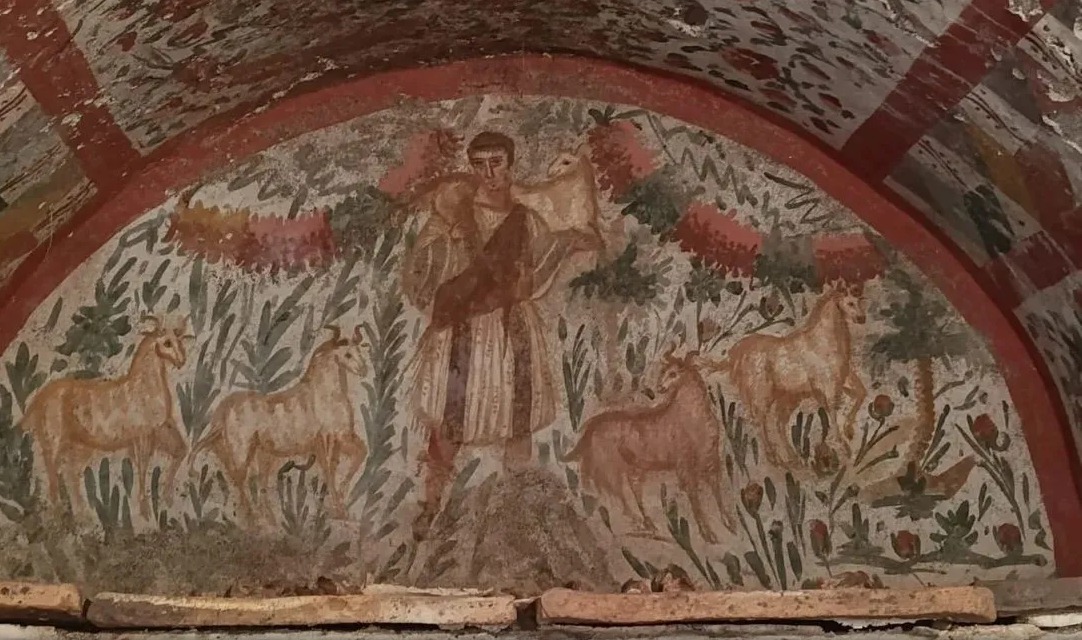
Recent excavations in various Turkish sites have yielded artifacts and structures that date back to the early Christian era. Among these discoveries, researchers have identified ancient churches, inscriptions, and artifacts that highlight not only the architectural styles of the time but also the rituals and beliefs of early Christians. One of the most compelling findings is an array of frescoes that depict biblical scenes, illustrating how art was intertwined with faith during this period.
In addition to churches, archaeologists have unearthed remnants of early Christian communities, including homes and communal gathering spaces. These sites provide a rare glimpse into the daily lives of believers, showing how they maintained their traditions and worshipped in a predominantly non-Christian environment. The evidence suggests that early Christians were not isolated; rather, they formed communities that actively engaged with their surroundings, fostering relationships with neighboring cultures.
Insights into Early Christian Rituals
The discoveries also include various artifacts that offer insight into the rituals and practices of early Christians. Sacred items such as altars and baptismal fonts suggest a rich tapestry of worship that differed from later established practices. For instance, the presence of certain symbols and inscriptions indicates the use of unique rites that may have been prevalent among early followers, bringing to light the diverse expressions of faith that existed at the time.
Moreover, researchers are analyzing inscriptions found on these artifacts to better understand the theological viewpoints of early Christians. These writings suggest ongoing debates and discussions about the nature of faith, morality, and community, offering a glimpse into the intellectual landscape of early Christianity. The interaction between different groups—both within Christianity and with other belief systems—further emphasizes the complexity and dynamism of early religious life.
The Broader Implications of These Findings
The implications of these discoveries extend beyond Turkey; they invite scholars to reevaluate preconceived notions about the rise of Christianity. Understanding the geographical spread and cultural integration of early Christian communities can enrich our appreciation of how Christianity evolved into a global faith. Moreover, this research encourages a dialogue about the historical context in which Christianity emerged, emphasizing the importance of intercultural exchanges in religious development.
As archaeological techniques continue to advance, it’s likely that more revelations about early Christianity will emerge. These insights not only add depth to our historical understanding but also encourage modern believers to reflect on the roots and evolution of their faith. Ultimately, these findings contribute to a broader narrative of religious history, highlighting the interconnectedness of faith, culture, and society throughout the ages.
In summary, the archaeological efforts in Turkey are proving invaluable for understanding early Christianity. From significant structural finds to intricate artifacts and writings, researchers are piecing together a vibrant picture of a faith still in formation. As excavations continue and new discoveries are made, we can anticipate a richer understanding of how early Christians lived, worshipped, and interacted with the world around them.