
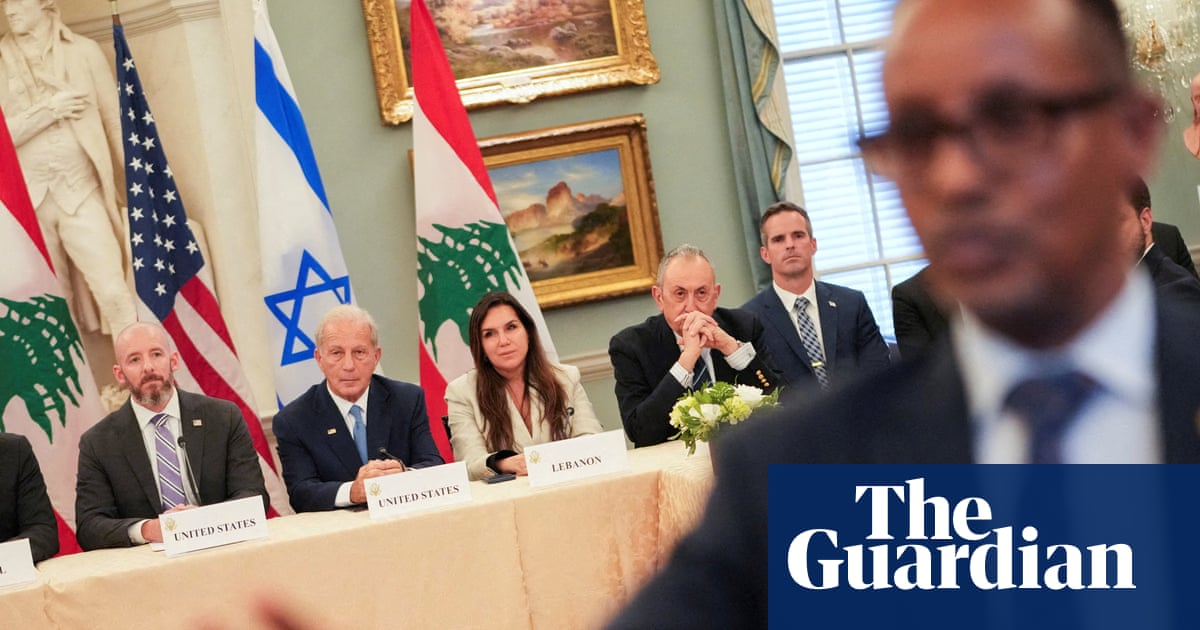
Israel and Lebanon have reached an agreement for a ceasefire amid ongoing conflicts, as announced by the Trump administration. This development represents a significant step in addressing one of the obstacles to broader negotiations concerning the war with Iran.
### Ceasefire Terms and Conditions
The ceasefire is contingent on Hezbollah, the Iranian-aligned militia, completely halting its operations and vacating its forces from southern Lebanon. This was detailed in a statement from the US State Department following extensive discussions that took place in Washington. The two countries, which lack formal diplomatic ties, have also decided to establish “pilot zones.” In these regions, the Lebanese armed forces will exclusively control the territory, excluding all non-state actors.
Despite these negotiations, a Hezbollah representative emphasized that the group would reject any partial ceasefire, indicating their absence from the negotiations. A prior attempt to halt fighting on April 17 had failed, with both sides accusing one another of violating agreements.
### Ongoing Hostilities and US Involvement
The recent meetings in Washington mark the fourth round of direct talks since hostilities reignited on March 2, following renewed attacks by Hezbollah against Israel. On the same day, there were reports of cross-border assaults, with Hezbollah announcing attacks on Israeli troops and Israeli strikes resulting in civilian casualties in southern Lebanon.
US President Donald Trump has expressed a desire to separate discussions regarding the conflicts in Lebanon from those involving Iran. However, Iran disputes this notion, asserting that the two issues are interconnected and even hinting at the possibility of pausing peace discussions with the US due to Israel’s actions in Lebanon. Trump had previously stated that he intervened to prevent an imminent strike on Beirut, indicating that both Israel and Hezbollah had consented to ceasefire measures.
### Israel’s Goals and Regional Implications
Israeli officials have indicated a strategic aim to weaken Hezbollah before any potential peace agreements with Iran prevent further military actions. Netanyahu mentioned that he and Trump share the objective of disarming Hezbollah to secure long-term peace between Israel and Lebanon. The present situation, featuring high energy prices and economic instability, is pressuring the US administration to find a resolution to the conflicts quickly.
Despite diplomatic efforts, the situation on the ground remains volatile. Reports indicate that Israeli airstrikes have occurred near hospitals in southern Lebanon, resulting in numerous casualties, including medical personnel.
### Broader Military Actions in the Region
In addition to the turmoil in Lebanon, Iran has reportedly conducted strikes on Kuwait, inflicting damage on its airport and causing fatalities and injuries. These developments show an escalation surrounding a fragile ceasefire among the US, Israel, and Iran, with oil prices rising as the situation continues to unfold.
While Iranian leaders claim that their military actions were misattributed, contrasting reports from US military sources maintain that targeted drone strikes were deliberate. The ongoing conflicts reflect the complexities and challenges in resolving tensions in the region, ultimately impacting international stability.
The desperate need for a lasting peace agreement is clear, and it remains imperative for all involved parties to pursue dialogue rather than escalation. The upcoming weeks will be critical in assessing the potential for a sustainable ceasefire and progress toward broader peace efforts in the Middle East.