
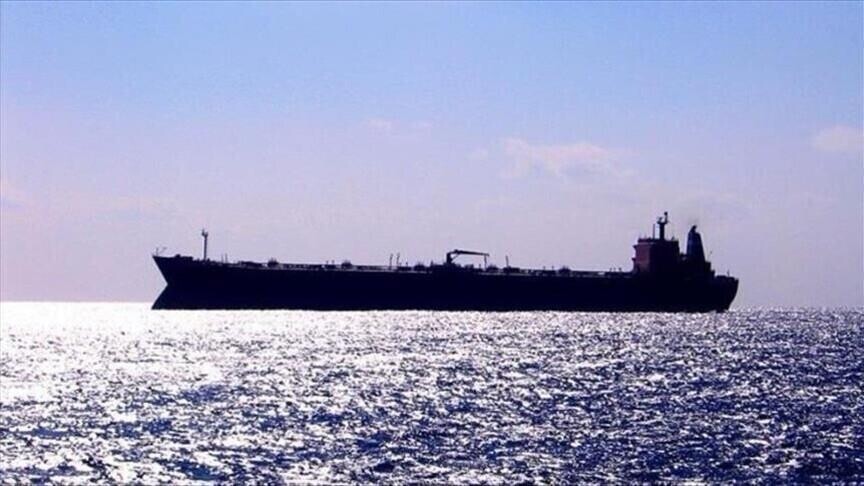
Iran’s naval forces have issued a stark warning regarding potential retaliatory strikes aimed at oil tankers located in Kuwaiti and Bahraini ports. This message follows recent airstrikes by the United States targeting Iranian vessels. According to the state-run media outlet IRIB, the Iranian navy has called for immediate evacuation of crew members from these ships.
Details of the Warning
The warning from the Iranian navy was explicitly related to the recent military actions taken by the US against several Iranian oil tankers. In a statement disseminated through IRIB, the navy expressed its serious concerns and urged the crews of oil tankers in Kuwait and Bahrain to abandon their vessels. This message emphasizes that the tankers in these regions may become potential targets for attacks in the wake of escalating military tensions.
Accusations Against Gulf States
The Iranian statement explicitly accused Kuwait and Bahrain of harboring US forces and facilitating their military operations, which include the recent strikes on Iranian maritime assets. This accusation adds another layer of complexity to the already strained diplomatic relations between Iran and its Gulf neighbors. The Iranian navy’s warning indicates a serious escalation in rhetoric, portraying the two Gulf nations as complicit in US aggression.
Recent Military Actions
The situation has intensified after Iran’s Tasnim news agency reported that a small Iranian tanker was struck by a US missile. The incident occurred approximately four nautical miles from Kharg Island, a crucial point in the Gulf. Fortunately, there were no casualties reported, and the crew managed to evacuate safely. Additionally, IRIB reported that a second Iranian tanker was also targeted near the southern coast of Jask, further exacerbating the already volatile circumstances.
Regional Tensions and Broader Implications
These recent developments have escalated tensions not only between Iran and the US but also within the wider region, particularly in the Strait of Hormuz. This strategic waterway has been a focal point of conflict and negotiations. Despite a memorandum signed in June intended to facilitate the reopening of this critical route as a preliminary step toward a broader peace agreement, these recent military actions undermine prospects for diplomatic resolutions.
In summary, the Iranian navy’s warning serves as a notify of the escalating tensions prompted by US military strikes on Iranian oil tankers. With accusations aimed at regional partners and the increasing likelihood of retaliatory actions, the landscape in the Gulf region appears increasingly unstable. As events unfold, the focus remains on the broader implications for international relations and maritime security in one of the world’s most vital waterways.