
If you’re seeking reliable information about the ongoing situation between Israel and Lebanon, you’ve come to the right place. Understanding the background and current dynamics can help readers grasp the complex issues at play. This article will shed light on key points, including historical context, recent developments, and implications for regional stability.
Historical Context
The relationship between Israel and Lebanon has been fraught with conflict for decades. Dating back to the mid-20th century, tensions escalated significantly after the establishment of Israel in 1948. The Lebanese Civil War from 1975 to 1990 further complicated matters, incorporating various factions and neighboring countries. Hezbollah, a Shiite militant group formed in the early 1980s, emerged as a significant player, receiving backing from Iran and Syria. This complex history serves as a backdrop to current events, where historical grievances continue to influence actions and reactions on both sides.
Recent Developments
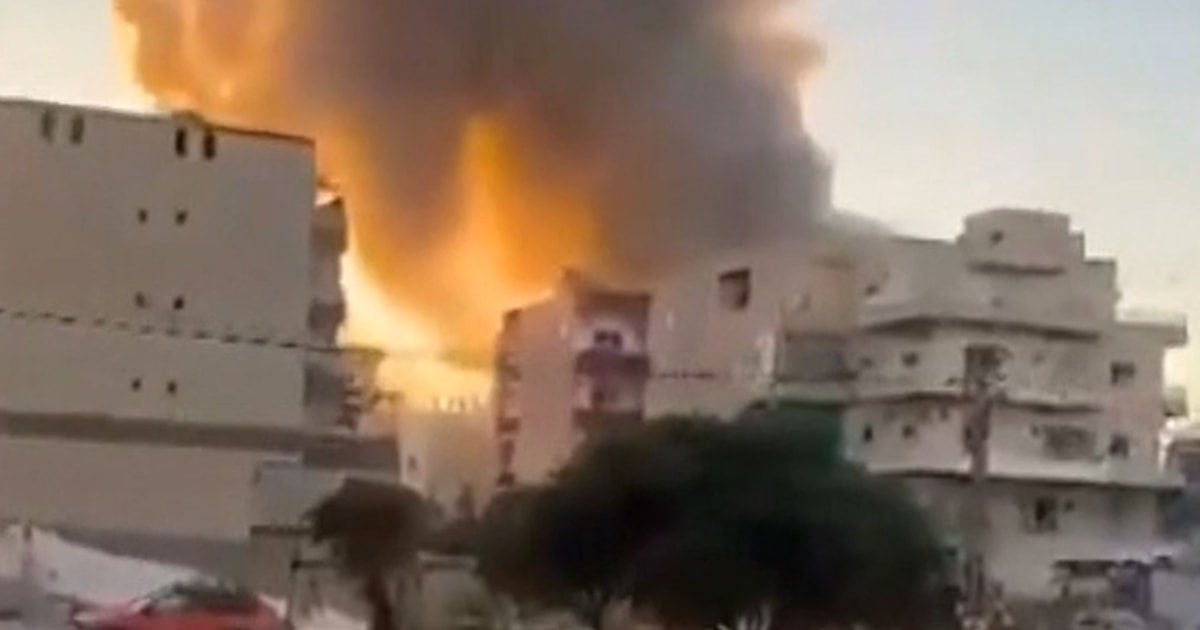
In recent weeks, hostilities have rekindled, leading to military engagements across the border. Notably, Israel launched airstrikes in southern Lebanon, prompting responses from Hezbollah. These military exchanges often escalate quickly, drawing in regional allies and intensifying the likelihood of broader conflict. A renewed ceasefire agreement attempted to establish a brief halt to hostilities, but violations on both sides have hindered any lasting peace.
Additionally, there have been reports of civilian casualties and destruction on both sides of the border. The humanitarian impact is significant, with many civilians caught in the crossfire. Media coverage has highlighted these tragedies, raising international awareness and demanding accountability.
Implications for Regional Stability
The renewed conflict has several implications for regional stability. Tensions between Israel and Lebanon not only affect these two nations but have repercussions across the Middle East. The involvement of external actors, such as Iran and the United States, complicates the situation further. Any escalation could ignite broader conflicts, impacting neighboring countries and leading to long-term unrest.
Countries in the region are also grappling with their internal issues, making the prospect of a united front against the violence challenging. Regional powers may have differing stakes and alliances, which often leads to a fragmented response to such crises. This lack of coordination can exacerbate the situation, making resolution more difficult.
Conclusion
Understanding the ongoing tensions between Israel and Lebanon requires not just awareness of recent events but also recognition of the historical context. The cyclical nature of violence underscores the challenges of achieving lasting peace. As the situation evolves, the hopes for stability and humanitarian relief remain precariously balanced against the backdrop of historical grievances and regional complexities. Continued dialogue, invested international mediation, and a commitment to understanding each party’s underlying concerns may provide paths toward de-escalation and ultimately peace in this volatile region.