
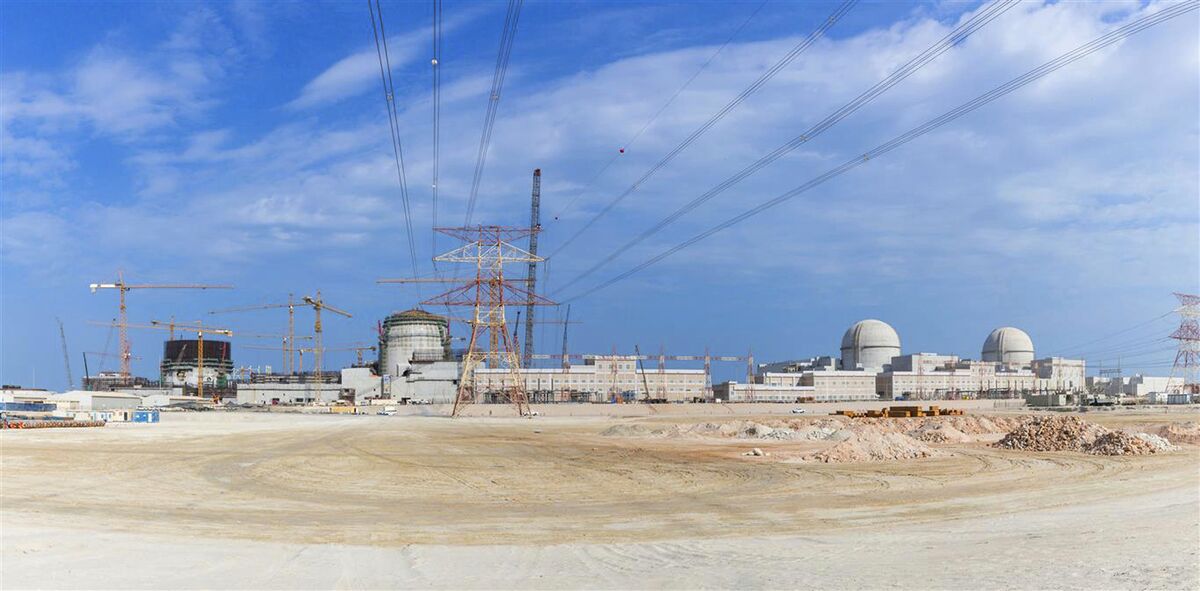
Iran’s recent assault on a nuclear facility in the United Arab Emirates has raised significant concerns regarding the safety of nuclear power plants worldwide. This event has prompted the International Atomic Energy Agency (IAEA) to reevaluate the security measures surrounding external power supply lines to these reactors, especially in light of potential military threats.
The Implications of Nuclear Security Threats
The attack has highlighted a critical vulnerability in nuclear infrastructure: the external power supply. Nuclear power plants rely heavily on a consistent and reliable source of electricity to maintain safe operations. Any disruption can lead to potentially catastrophic consequences, making it vital for international governing bodies to assess and reinforce existing safety protocols.
With geopolitical tensions on the rise, the IAEA is calling for a comprehensive review of the protective measures in place for power supply lines. This review is crucial not only for the safety of the United Arab Emirates but also for other nations operating nuclear facilities. The potential ripple effects of a successful attack—whether through physical violence or cyber threats—could undermine global confidence in nuclear energy, which is intended to be a safe and sustainable alternative.
Enhancing Reactors’ Defensive Capabilities
In response to these threats, experts are advocating for enhanced protective pathways around reactors’ power supply systems. This includes upgraded physical barriers as well as improved monitoring technologies to detect and neutralize threats before they escalate. By implementing these changes, governments can better safeguard their nuclear assets.
Moreover, international collaboration is essential for sharing best practices and technologies aimed at protecting nuclear infrastructures. Countries with established nuclear programs can provide insights into effective defense strategies, which can then be adapted by less experienced nations. Such teamwork can create a robust global framework for nuclear safety, significantly reducing risks associated with attacks.
The Future of Nuclear Energy Security
As the world moves towards a more energy-demanding future, nuclear power remains a critical component. However, incidents like the recent attack serve as a stark reminder of the vulnerabilities present within this energy sector. It is imperative for stakeholders to recognize these security issues and act decisively to mitigate them.
In conclusion, the need for improved safety measures around nuclear reactors’ external power supplies has never been more apparent. The international community must take proactive steps to enhance the security of nuclear facilities to ensure that they can operate safely in an increasingly unpredictable world. As discussions around strengthening these measures continue, the focus should remain on creating a resilient infrastructure that can withstand both current and future threats.