
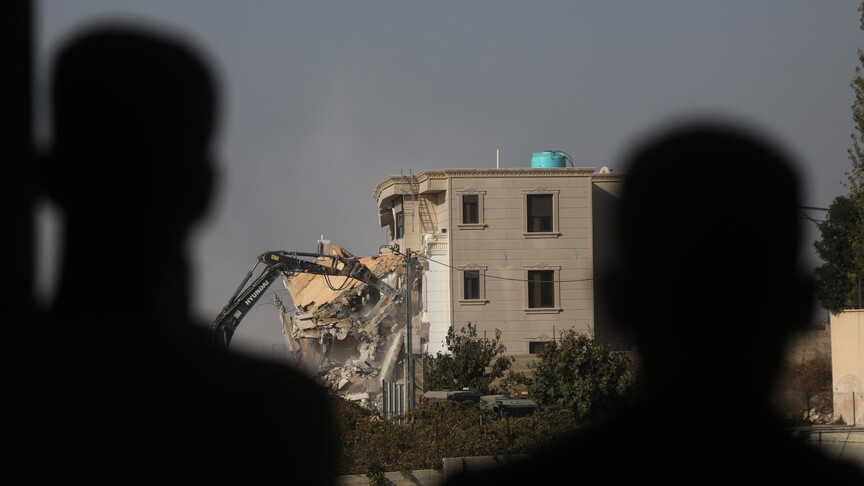
On October 25, 2026, concerns are rising over Israel’s expanding operations in the West Bank, particularly in Hebron. According to reports from the Israeli human rights organization B’Tselem, the government appears to be intensifying its campaign of what it characterizes as “ethnic cleansing.” This initiative reportedly includes plans for mass displacements and significant destruction in Palestinian areas.
Call for International Intervention
B’Tselem has urged global governments and institutions to employ all available resources under international law to halt what it describes as forced displacement of Palestinian civilians. The organization condemned the actions leading to collective punishment and illegal demolitions, underscoring the urgency of responding to these developments. The group pointed out that Israeli leaders have been openly stating their intentions, and ground operations confirming these declarations have already commenced.
The context for this escalating situation includes a deadly incident that occurred near Hebron, where two Israeli soldiers lost their lives. In the aftermath, Israeli Prime Minister Benjamin Netanyahu and Defense Minister Israel Katz announced strategies to forcibly remove Palestinian residents from their homes, emphasizing their commitment to comprehensive destruction of structures. Notably, Prime Minister Netanyahu referenced a successful offensive strategy previously used in refugee camps, raising alarms about potential consequences for Hebron.
Consequences of the Offensive Strategy
B’Tselem has reported alarming figures indicating that over 33,000 Palestinians have been displaced in the northern West Bank due to similar operations. The organization warns that these tactics are now being aimed at Hebron, effectively marking an escalation in the broader conflict. Israeli forces have started to cordon off both Hebron and neighboring Halhul, where the Civil Administration has initiated the demolition of Palestinian homes in the Farsh al-Hawa neighborhood.
Additionally, extremist Finance Minister Bezalel Smotrich has announced the establishment of four new agricultural settlement outposts in the South Hebron Hills. B’Tselem has characterized these developments as potentially constituting war crimes, drawing parallels to Israel’s military campaigns in the Gaza Strip. The organization’s statements portray these actions as part of a long-term agenda to dismantle Palestinian livelihoods while simultaneously expanding Israeli settlements and solidifying control over these territories.
Urgent Need for Global Awareness
B’Tselem emphasizes that the international community must not remain passive while Israel’s actions continue to escalate. The organization implores world leaders to intervene before more neighborhoods are subjected to forced evacuation and destruction. On the ground, the situation remains tense, as Israeli military operations have extended into a second day, leading to the evacuation of numerous Palestinian families. Reports indicate that a residential building has been demolished, and there have been numerous home raids throughout the area.
The violence has affected both sides; in the same incident that claimed the lives of the two Israeli soldiers, two Palestinians were also reportedly killed, along with several soldiers sustaining injuries. As the conflict continues to evolve, the cry for intervention grows increasingly insistent. The escalating situation in Hebron may represent not just a local struggle, but a pivotal moment with implications for the broader Israeli-Palestinian conflict.