
The airline sector currently faces substantial challenges due to geopolitical turmoil, particularly for Middle Eastern carriers, which have become leading international airlines in recent years. The ongoing conflict in Iran has disrupted the operations of these airlines, which previously thrived in comparatively stable environments. This evolving situation has triggered notable changes within the industry, particularly in flight routes and strategic partnerships.
Route Adjustments in the Northeast and Middle East
American Airlines has taken significant steps to adapt to this volatile situation, notably suspending its service from Philadelphia International Airport (PHL) to Doha Hamad International Airport (DOH) following the outbreak of hostilities. Initially launched in 2022, the route represented American’s sole Middle Eastern destination. The airline confirmed the route’s permanent cancellation this past June, leaving travelers in Philadelphia anxious about their ability to access the Middle East. However, Qatar Airways has since filled the void, introducing its own route from PHL to DOH.
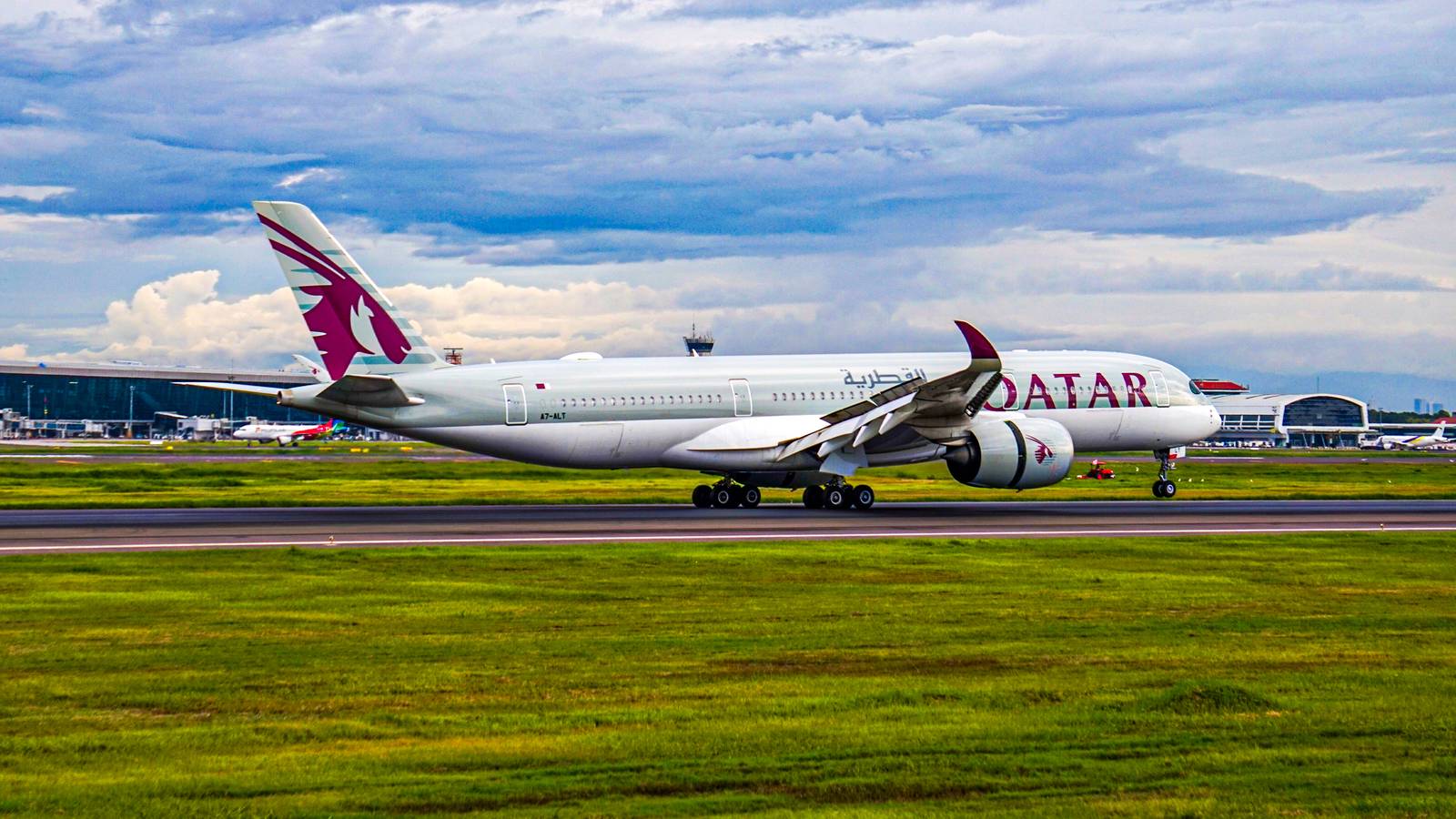
Before the conflict, American Airlines utilized the codeshare agreement with Qatar Airways to facilitate travel between the U.S. and Doha, switching the departure point from New York’s JFK to Philadelphia to enhance connectivity. In response to the disruptions, Qatar Airways recently commenced daily flights from Doha to Philadelphia using an Airbus A350, while at the same time suspending a previously scheduled third flight between DOH and New York. This adjustment reflects a strategic realignment aimed at addressing customer demand while the airline works to restore its network.
Impact of the Iran Conflict on Airlines
The ire of the ongoing conflict is evident in various operational challenges faced by airlines. Increased fuel prices, now nearly double what they were last year, have substantially impacted airline costs. Additionally, heightened airspace restrictions in the Middle East are resulting in longer flight times and congestion. Even established routes, such as those to Dubai and Riyadh, have faced cancellations as carriers navigate the complexities of operating in a region marred by instability.
The geopolitical landscape has led to rising risks, including potential aircraft damage and elevated insurance premiums. Airlines operating flights to Middle Eastern destinations are grappling with insistent labor union objections regarding layovers and turnarounds in these high-risk areas. Consequently, local airlines like Qatar Airways are compelled to maintain their schedules while international carriers hesitate to do the same.
Qatar Airways’ U.S. Network Today
Despite the challenges, Qatar Airways has managed to expand its presence in the U.S., now operating to 12 key destinations, including Atlanta, Boston, and San Francisco. As the only Middle Eastern airline servicing Philadelphia, Qatar Airways benefits from the airport’s role as American Airlines’ main transatlantic hub. This partnership allows both airlines to effectively serve a broad network of connecting flights, thereby enhancing the appeal of Doha as a long-haul destination.
While some airlines have pulled back significantly in the Middle East, Qatar Airways is working diligently to sustain its service levels. The capacity shifts in response to American’s withdrawal from Doha illustrate the airline’s ongoing focus on leveraging its global network.
The Future of Airlines Amidst Uncertainty
American Airlines, confronted with financial hurdles, is reshaping its strategy, particularly concerning long-haul flights. The decision to end service to Doha aligns with their intentions to enhance their international network more competitively. In the aftermath of suspending flights to the Middle East, the airline has redirected its focus toward more lucrative routes, such as launching new non-stop services to Tokyo.
As the geopolitical situation continues to evolve, it remains to be seen how American Airlines will reintroduce long-haul flights. With ambitions to expand its Asian connectivity and a potential order for a new fleet of widebody aircraft, American may be poised for adjustments that transcend mere service to smaller markets. The coming years will likely witness significant shifts as airlines adapt to an ever-changing landscape, balancing profitability with operational stability.