
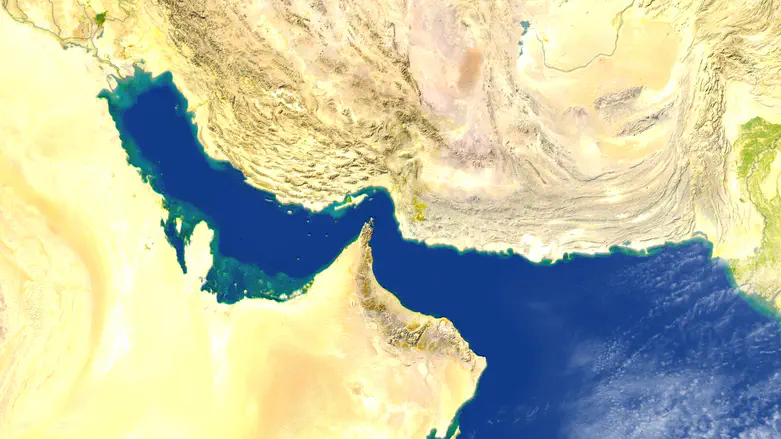
Iran has laid out significant plans to target undersea communication cables in the Gulf region should the United States and Israel initiate additional military strikes. This information comes from two senior Iranian security officials who spoke to Reuters, indicating that Iran aims to extend disruptions by hindering repair efforts on these vital infrastructures.
### Renewed Conflicts and Targeted Infrastructure
Amid increasing anxiety that diplomatic relations with Washington could falter, Iranian officials have cautioned that both undersea cables and other critical digital infrastructures might be targeted in any new conflict. The anonymous officials revealed that Tehran is prepared to escalate its military responses if it faces an attack. One official ominously noted, “If Iran is attacked, there will be no more red lines, from undersea cables to military bases, including covert ones,” advising the U.S. to reconsider its military posture.
### The Significance of Undersea Cables
Yadollah Javani, who is the deputy head of political affairs for Iran’s Islamic Revolutionary Guard Corps, specified that Iran could disrupt seven major internet cables beneath the Strait of Hormuz if its national interests were threatened. It’s noteworthy that undersea cables are responsible for approximately 99% of global internet traffic, though the bandwidth flowing through the Strait of Hormuz constitutes less than 1% of this total. Consequently, while attacks here might not have sweeping global ramifications, the regional impacts could be significant, particularly for internet services and financial transactions.
Telecommunications expert Alan Mauldin highlighted that the real fallout of such disruptions would largely depend on the operators’ capability to reroute traffic and the availability of alternative connections. However, multiple cable damages could cause substantial disruptions in internet services, cloud computing, and e-commerce, complicating repairs during wartime because of heightened security concerns and logistical delays.
### Regional Implications and Future Threats
The U.S. State Department and Iran’s Foreign Ministry did not respond immediately to requests for comments regarding these escalating threats, nor did Gulf states issue immediate reactions. Nevertheless, these declarations reflect Tehran’s intention to adopt a more aggressive stance should the U.S. escalate military actions against Iran. In earlier statements, senior Iranian security officials have suggested that U.S.-affiliated digital infrastructures, including data centers, may also become targets.
Experts like Alex Vatanka, director at the Middle East Institute, interpret these threats as a strategy to dissuade U.S. military involvement by cultivating fears among Gulf governments and American corporations about the safety of their investments. He noted that Tehran’s objective is to compel Gulf states and corporate leaders to engage with U.S. policymakers about the risks posed by their policies.
### Broader Strategic Context
The potential threat to undersea cables extends beyond the Strait of Hormuz, with the Red Sea possibly serving as a pivotal target for communications infrastructure, especially if Iran were to receive assistance from its allied Houthi forces in Yemen. Although Iran has not explicitly announced plans to attack in the Red Sea, the area supports critical data routes that are integral to the international bandwidth market.
With Gulf nations striving to reduce their reliance on oil by transforming into hubs of artificial intelligence and digital technology, any aggression toward undersea cables would further complicate the geopolitical landscape. Iranian missile strikes in the past have already targeted Amazon Web Services facilities in the UAE, showcasing the growing tensions surrounding technology and infrastructure in the region.
### Conclusion
In summary, the potential for conflict in the Gulf underlines the intricate relationship between military actions and digital infrastructures. As governments and technology firms invest heavily in alternative communication routes, the disruption risk from future attacks could vary widely based on the scale of the damage and the effectiveness of contingency plans. With strategic investments from companies like Microsoft aimed at enhancing connectivity across the region, the significance of resilient communication networks is underscored amidst ongoing geopolitical tension.