
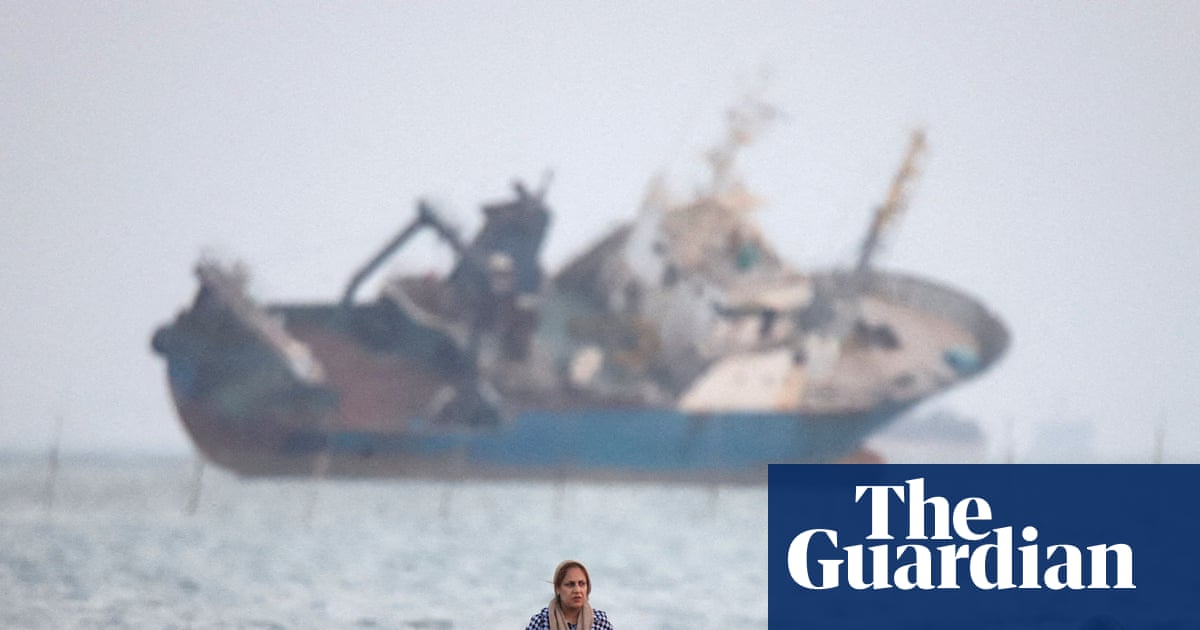
The ongoing conflict in the Middle East has led to alarming forecasts about global hunger, highlighting a potential crisis. The United Nations has reiterated concerns that if the war continues, it could exacerbate food insecurity for millions around the world. The situation has caught the attention of international stakeholders, especially given the rising oil prices causing ripple effects across the globe.
The Dire Impact of Rising Oil Prices
In recent statements, the UN’s World Food Programme (WFP) indicated that if oil prices persist at around $100 per barrel, approximately 45 million additional people could find themselves facing acute hunger by June. This comes on top of nearly 320 million individuals already grappling with severe food insecurity at the year’s outset. Jean-Martin Bauer, who oversees food and nutrition analysis at the WFP, noted that the grim predictions are beginning to manifest, confirming fears of widespread hunger linked to geopolitical turmoil and economic instability.
Despite efforts to restore a fragile ceasefire, negotiations have encountered significant obstacles, often marred by negative rhetoric and sporadic violence. The strait of Hormuz, a crucial passage for oil transportation, remains at the heart of these tensions, complicating any attempts at a peaceful resolution. Multiple rounds of talks have failed to yield a consensus on how to proceed, resulting in a stalemate that prolongs the conflict and deepens the sense of urgency to address the escalating humanitarian crisis.
Escalating Military Actions
Recent military exchanges, including strikes between the U.S. and Iran, suggest that the situation is far from stabilization. Reports indicated that Iran launched missiles and drones targeting both Bahrain and Kuwait shortly after the U.S. military intercepted Iranian drones near the strait of Hormuz. This series of attacks underscores the volatility in the region and the risk of further escalation, possible undermining any discussions aimed at renewing the ceasefire. With air raid alerts being issued in response, the stakes in this area remain dangerously high.
As these tensions unfold, U.S. President Donald Trump faces mounting pressure to navigate the complexities of the conflict, particularly as midterm elections approach. The political ramifications of the war have proven troublesome domestically, with calls for immediate solutions becoming more pronounced. Negotiators from both the U.S. and Iran have discussed extending the ceasefire; however, the possibility for a compromise seems slim, as both sides push for differing changes to existing agreements.
The Broader Implications of Conflict
As the conflict endures, the ripple effects reach beyond immediate military engagements to influence global economic stability. With soaring oil prices being cited as a significant threat to global food security, the potential for famine looms larger than ever. Economists warn that the continued instability in the Middle East could sway markets, disrupt supply chains, and lead to broader economic downturns. Sustainability of food supplies is intricately linked to political stability, making it crucial for global stakeholders to engage actively in dialogue and conflict resolution efforts.
In conclusion, the current situation in the Middle East is more than a regional conflict; it has significant implications for global security, particularly concerning food access and economic stability. The international community must seriously consider the urgency of the matter, engaging in thorough negotiations to address both the immediate military concerns and the far-reaching humanitarian issues that are arising as a result of escalating tensions.