
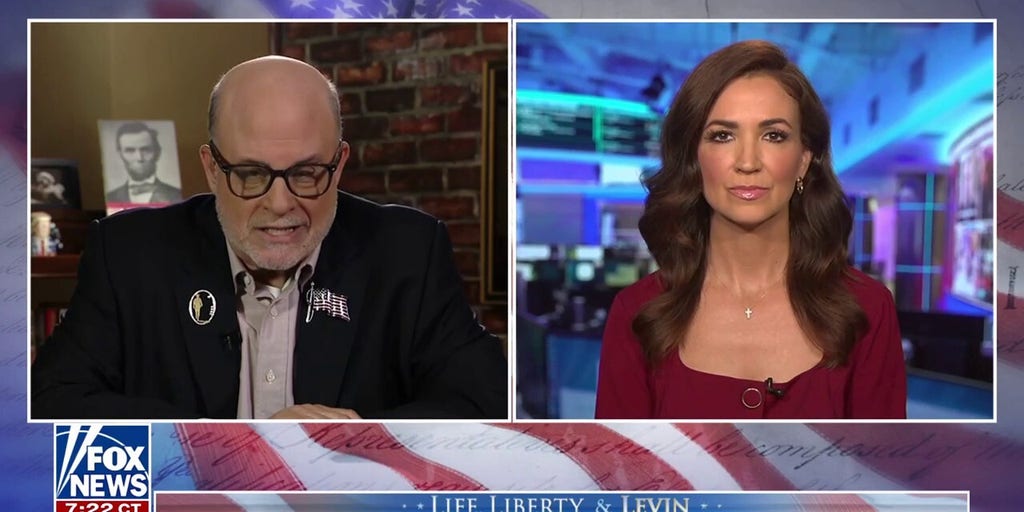
In recent discussions about international relations and military dynamics, the focus has shifted to the Iranian Revolutionary Guard Corps (IRGC) and their response to proposed negotiations. Rebeccah Heinrichs, a senior fellow at the Hudson Institute, has expressed considerable skepticism regarding the likelihood of the IRGC accepting any agreements put forward by former President Donald Trump. Her insights reveal deeper complexities regarding Iran’s military strategy and diplomatic engagements.
Understanding the IRGC’s Stance
The Iranian Revolutionary Guard Corps serves as a critical arm of Iran’s military, significantly influencing both domestic and foreign policy. Given its foundational role in safeguarding the Islamic Republic, the IRGC operates with a specific doctrine that often prioritizes its ideological goals over pragmatic diplomacy. Heinrichs emphasizes that the IRGC views negotiations through a lens of strength rather than compromise. This perspective complicates any potential for dialogue with Western powers, especially with figures like Trump in the picture.
The Influence of Political Leadership
Rebeccah Heinrichs’ skepticism is not unfounded. The political landscape in Iran is heavily influenced by its leadership, which tends to view any overtures from the United States with suspicion. The IRGC, known for its hardline stances, especially regarding U.S. involvement in the region, may deem offers from American presidents as manipulative tactics rather than genuine opportunities for peace. This political dynamic significantly hinders any potential agreements during negotiations.
Historical Context of U.S.-Iran Relations
To grasp the IRGC’s potential reactions to negotiations, one must consider the historical context of U.S.-Iran relations. The events following the 1979 Iranian Revolution led to a deep-rooted distrust between the nations. Over the decades, a series of confrontations and sanctions have solidified the IRGC’s perception of the United States as an adversary rather than a partner. Heinrichs notes that this ongoing tension creates hurdles that any incoming administration must navigate carefully, as the IRGC’s historical memories influence its current strategies.
Prospects for Future Negotiations
Given the IRGC’s entrenched views and its influential role within Iran, prospects for future negotiations seem increasingly complicated. Heinrichs warns that unless there’s a significant shift in the prevailing attitudes both politically within Iran and externally from the U.S., meaningful dialogue may remain elusive. Understanding the IRGC’s motivations and the broader geopolitical implications is essential for formulating effective strategies for engagement moving forward.
In summary, the skepticism voiced by Rebeccah Heinrichs underscores the complexities and challenges that characterize any potential U.S.-Iran negotiations involving the IRGC. As political dynamics evolve, recognizing the historical and ideological factors at play will be crucial for any efforts aimed at fostering a more constructive dialogue between the two nations.