
A recent incident at Chicago O’Hare International Airport highlighted complexities surrounding international travel, especially for sports teams. The Iraqi national soccer team faced an unexpected hurdle upon their arrival from Dubai, leading to significant delays and scrutiny for some members of the group.
Iraqi Soccer Team’s Arrival and Initial Delays
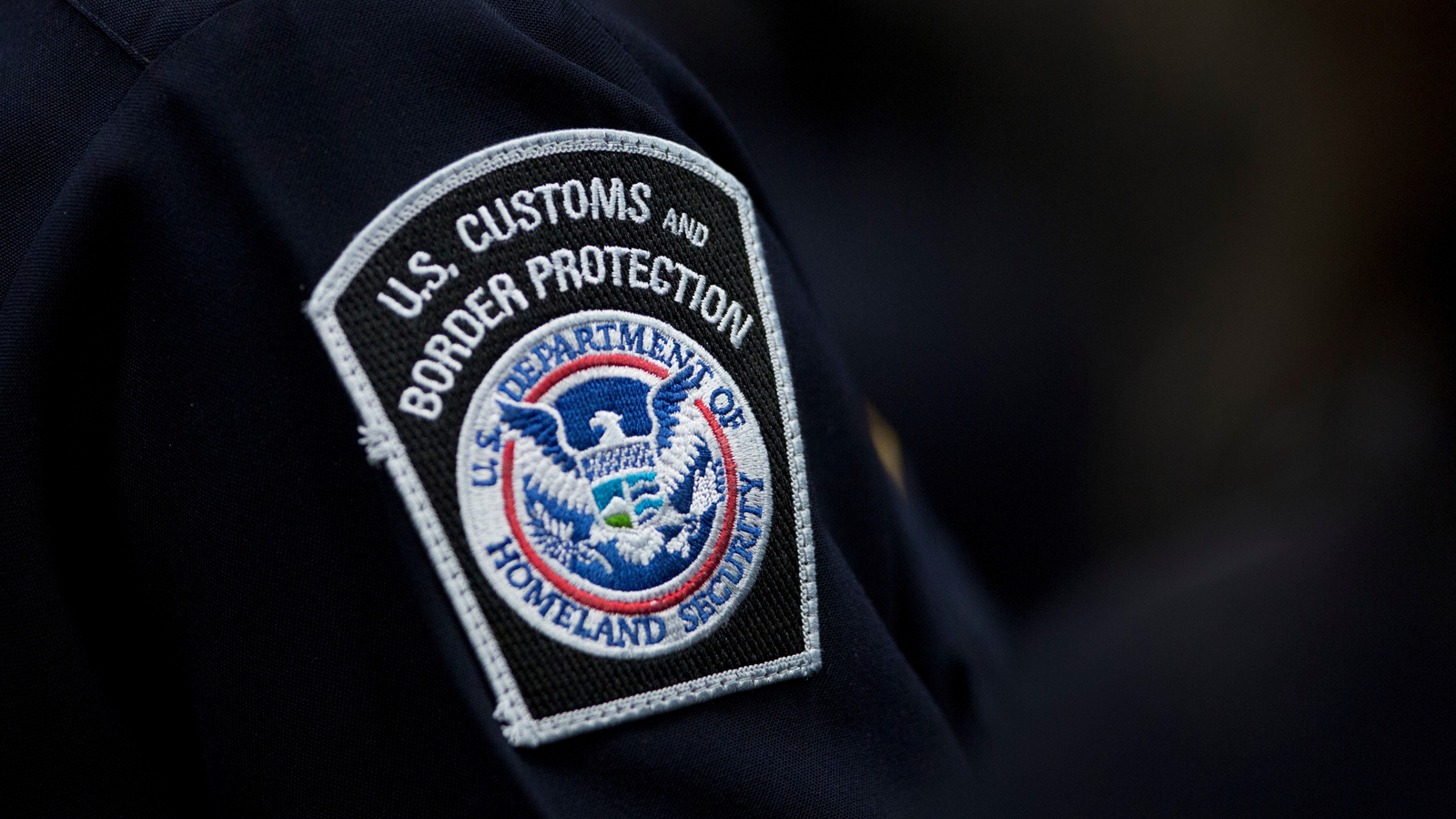
Upon landing at O’Hare, the Iraqi national soccer team was subjected to routine inspection measures typical of U.S. Customs and Border Protection (CBP) protocols. Two members of the team were flagged for what is known as “additional inspection,” a process that allows officers to verify information and assess admissibility. This procedure is standard for travelers arriving in the U.S., particularly when there is a need for further evaluation of travel documents or background information.
Among those undergoing additional scrutiny was Aymen Hussein, a prominent striker for the team. Reports indicate that he was questioned for an extended period, nearly seven hours, before ultimately being permitted entry into the country. Such thorough questioning may raise concerns about the efficiency of the inspection process, especially for high-profile athletes who have travel commitments and schedules to adhere to.
Photographer Denied Entry
In a contrasting fate, a photographer traveling with the Iraq national soccer team was denied entry into the United States following the additional inspection process. According to CBP, the photographer was deemed “inadmissible” due to classified information that existed in relation to U.S. law, highlighting the complexities that can arise in visa and admission processes. This decision underlines the rigorous scrutiny placed on all individuals trying to enter the U.S., including those who support national sports teams.
The determination of inadmissibility adds another layer to the ongoing discussions around travel regulations and athletes’ experiences. Photographers and other non-players accompanying sports teams typically expect a certain level of access, and this incident may raise awareness regarding the potential for denial, which can be based on information that is not disclosed publicly.
Understanding CBP’s Role
The role of U.S. Customs and Border Protection in situations like these cannot be understated. As part of their mission, CBP operates not only to enforce immigration laws but also to ensure national security. Each traveler, including athletes and their support staff, is subject to a detailed inspection process that relies on multiple layers of information regarding their background and intended activities within the U.S.
CBP officials have the authority to conduct thorough inquiries and make decisions based on regulations surrounding national security. Factors that influence admissibility are varied and are evaluated on a case-by-case basis, emphasizing the unpredictable nature of travel for international teams.
In summary, this incident exemplifies the intersection of sports, travel, and immigration law, illuminating both the challenges faced by athletes and their teams while navigating U.S. entry requirements. As sports organizations prepare for international competitions, understanding these protocols is crucial for both players and support staff to ensure smoother transitions across borders.