
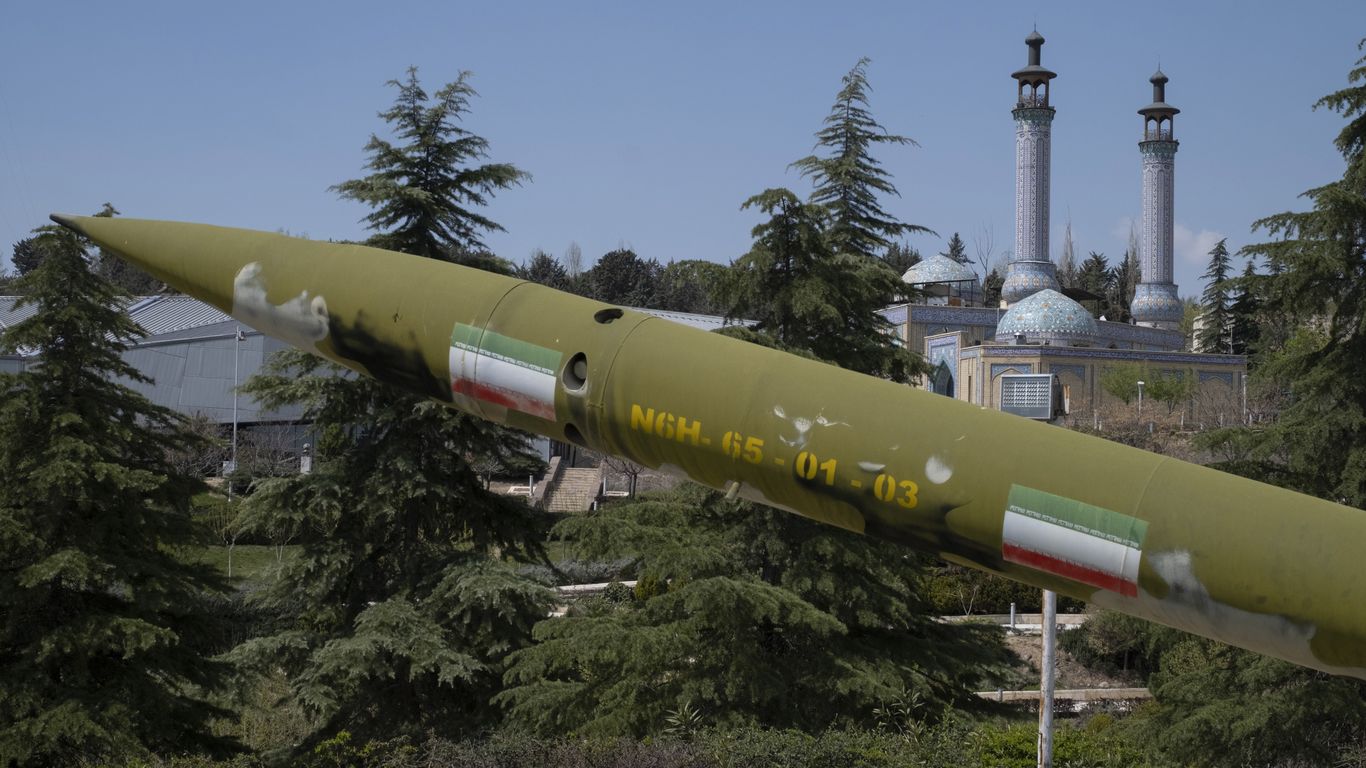
The current geopolitical landscape in the Middle East remains fragile, with tensions persistently simmering beneath the surface. As various factions vie for power, recent developments could potentially derail ongoing peace negotiations, leading to renewed conflict in a region already grappling with instability.
Rising Tensions in the Region
In recent weeks, actions by certain groups have raised alarms regarding the potential collapse of diplomatic efforts aimed at achieving peace. Such moves could not only complicate negotiations but also provoke a military response from Israel. The delicate balance that has been painstakingly established over the years hangs in the balance, and a misstep could have catastrophic consequences. Escalation of hostilities could lead to further destabilization, affecting not only the nations directly involved but also the broader international community.
The Impact on Peace Negotiations
As talks aimed at fostering understanding and cooperation face unprecedented challenges, the emphasis on diplomacy must intensify. Both sides often find themselves walking a tightrope, and the stakes have never been higher. If the current trajectory continues without meaningful engagement, the hope for a lasting resolution may diminish. Stakeholders must reconsider their strategies to create an environment conducive to dialogue, as failure to do so may lead to irreparable damage to the negotiating process.
Potential Consequences of Renewed Conflict
The ramifications of a resurgence in violence extend far beyond immediate military engagements. Economically, both Israel and its neighbors could suffer greatly, as investments may dwindle and tourism could decline. Furthermore, humanitarian crises could escalate, forcing nations to grapple with the fallout of escalating violence. Internationally, alliances may shift, and countries may be compelled to take definitive stances, altering the geopolitical landscape in significant ways.
The Importance of International Involvement
To counter these troubling trends, increased involvement from international stakeholders is crucial. Global powers can play a pivotal role in mediating disputes and steering negotiations towards constructive outcomes. By fostering dialogue and providing platforms for discussion, they can help mitigate the risks associated with unilateral actions that threaten to unravel the delicate fabric of peace. A collective effort emphasizing understanding and compromise may prove essential to maintaining stability in the region.
Overall, the current environment necessitates a recommitment to dialogue and peace-building. By prioritizing collaboration over conflict, stakeholders can work toward a more stable and peaceful Middle East. The world must watch closely, as the implications of these developments will resonate far beyond the immediate context, influencing both regional dynamics and global geopolitics.