
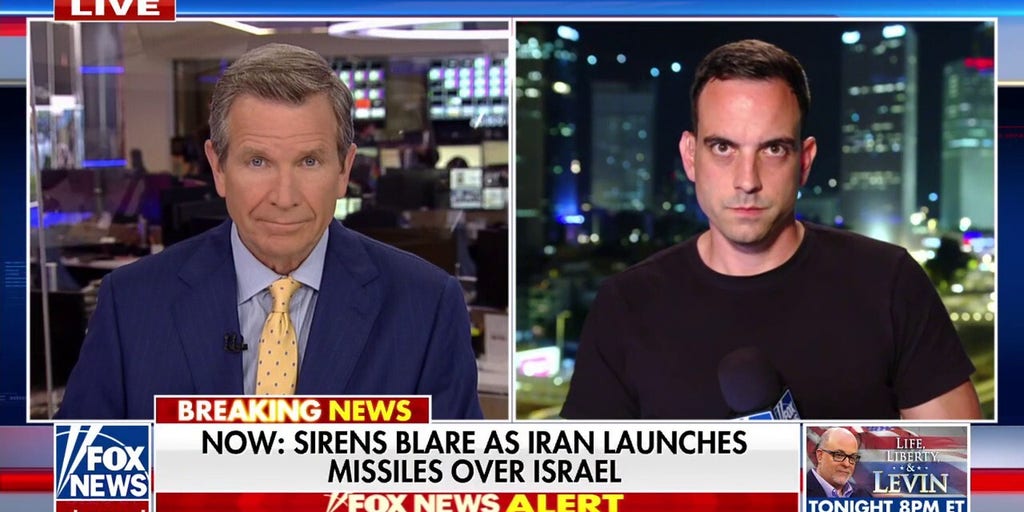
The ongoing conflict between Iran and Israel has escalated significantly, drawing international attention and concern. With tensions on the rise, the geopolitical landscape in the region is changing, influencing various global dynamics. Understanding the intricacies of this situation is crucial for grasping its potential implications on world affairs.
Escalating Attacks on Israel
Trey Yingst, Fox News’ chief foreign correspondent, has reported on the current Iranian offensive targeting Israel. This aggressive move has resulted in heightened fears not only for the safety of Israeli citizens but also for broader regional stability. The motivations behind these assaults appear to be rooted in longstanding disputes and ideological differences that have fueled animosity between the two nations for decades.
The Iranian government has positioned itself as a formidable adversary in the Middle East. Their ability to launch strategic attacks demonstrates both military capability and a willingness to adopt aggressive tactics. In recent days, these actions have drawn fierce responses from Israel, leading to a cycle of retaliation that could have far-reaching consequences for both countries and their allies.
Global Reactions and Concerns
International stakeholders closely monitor the situation, with various countries voicing their concerns about escalating violence in the region. The United States and its allies are particularly wary of Iran’s military advancements, which could embolden similar hostile actions from other actors in the region. Diplomatic channels are critical at this juncture to mitigate the crisis and prevent further deterioration of relations.
Experts warn that if the conflict continues to escalate unchecked, it may lead to broader military confrontations, destabilizing not just the Middle East but affecting global oil markets and international trade routes. The geopolitical implications of a prolonged conflict could disrupt alliances and alter the existing balance of power in the region.
Looking Ahead: The Need for Diplomatic Solutions
As the situation unfolds, it becomes increasingly clear that a diplomatic resolution is essential to avoid further escalation. Engaging in dialogue may not only serve to de-escalate hostilities but also address some of the underlying issues contributing to the conflict. It’s imperative for influential nations to come together and facilitate discussions aimed at achieving long-term peace.
In conclusion, the ongoing attacks by Iran against Israel signify a critical moment in Middle Eastern geopolitics. With rising tensions and global scrutiny, the focus must shift towards fostering diplomatic solutions that promote stability and peace in the region. The world watches closely, as the actions taken in the coming days and weeks will shape the future trajectory of international relations and security in the Middle East.