
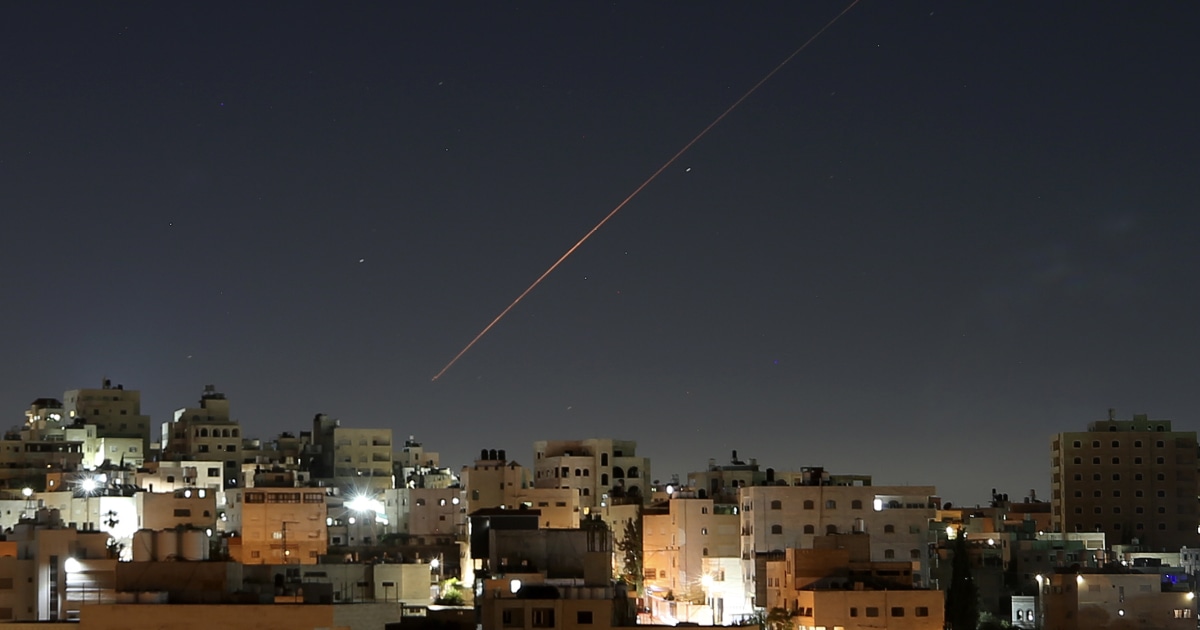
Iran’s recent missile strikes on Israel mark a new and troubling development in the ongoing regional conflict. Following an Israeli air attack on southern Beirut, escalating tensions have once again raised concerns over peace in the Middle East. This article delves into the implications of these attacks and the broader geopolitical context.
Iran’s Missile Launches
On Sunday, the Israeli military reported multiple missile barrages launched from Iran targeting Israeli territory. This action came after Israeli forces had retaliated against alleged Hezbollah operations in the southern suburbs of Beirut. The timing of this escalation is crucial, as it threatens to unravel a recently established ceasefire in the region. The situation highlights the fragile nature of peace agreements in a volatile geopolitical landscape and raises questions about the effectiveness of current diplomatic efforts.
Israel’s Defensive Measures
In response to the missile attacks, the Israel Defense Forces (IDF) activated their air defense systems to intercept incoming projectiles. The military claims to have successfully detected the missiles before they reached their intended targets. This capability to thwart attacks is critical for maintaining national security but also escalates the tension between the two nations, leading to fears of a broader conflict.
The U.S. Stance on Military Engagement
The United States military is keeping a close watch on this evolving situation, according to a U.S. official. However, as of now, there has been no direct involvement from the U.S. to guard against these missile threats. This restrained approach may reflect a broader strategy to avoid escalating the conflict, but it also raises concerns about the limits of American influence in the region.
The Broader Implications for Middle Eastern Stability
The U.S. administration is advocating for diplomatic negotiations to ultimately resolve the ongoing strife in the Middle East. The potential for renewed conflict poses significant risks, not only for regional stability but also for the global economy, which could face repercussions from disrupted trade and humanitarian crises. Should tensions spiral out of control, many vulnerable nations worldwide may encounter severe food shortages and economic instability.
As these events unfold, the focus remains on diplomatic avenues to defuse tensions and restore a lasting peace. The international community is urged to play a proactive role in facilitating dialogue between Iran, Israel, and other involved parties.
In summary, the recent missile strikes by Iran on Israel have rekindled fears of escalating conflict in the region. With both military action and diplomatic negotiations on the table, the stakes have never been higher for achieving stability and peace in the Middle East.