
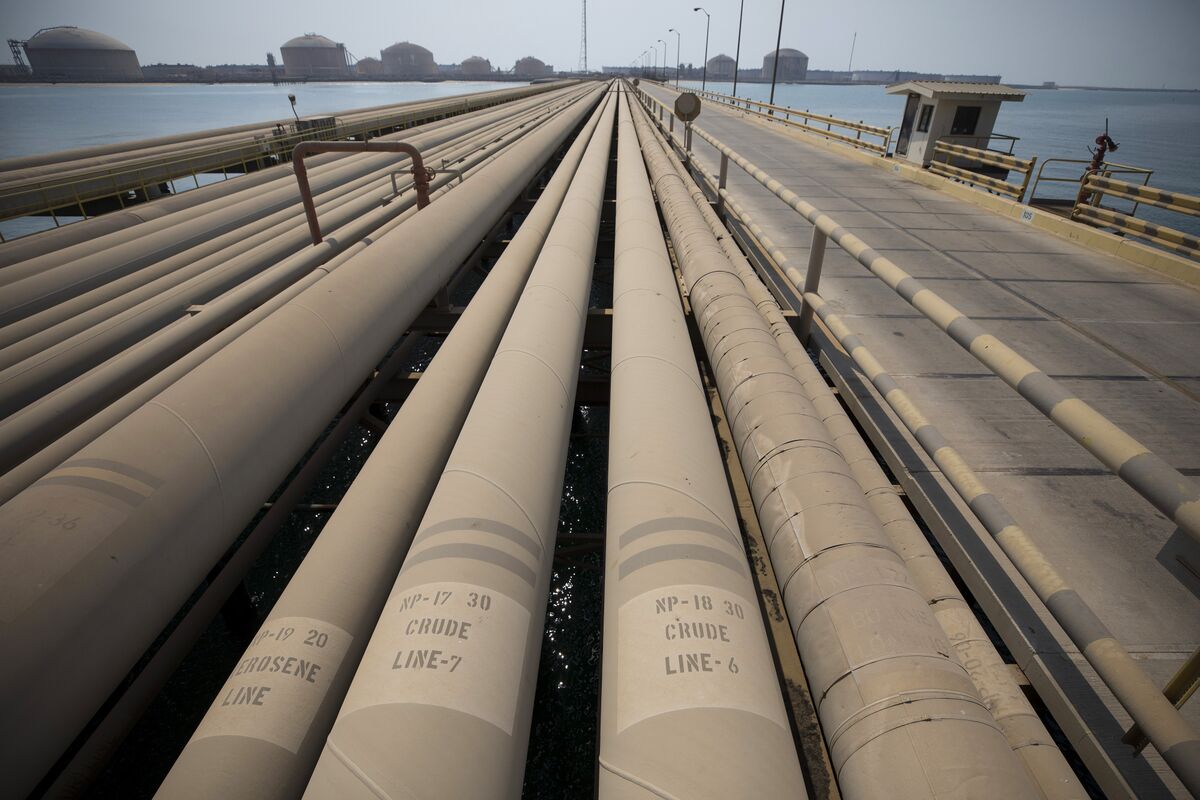
Saudi Arabia’s oil pricing strategy is in the spotlight once again as it reduces the price of its primary crude grade for Asia. This decision follows a similar move from the previous month, indicating a careful balance between supply and market demand. Despite this price reduction, the premium for crude oil sold to the kingdom’s largest market remains at historically high levels, a reflection of ongoing regional dynamics and demand fluctuations.
Decline in Crude Prices
In an effort to remain competitive amid shifting global market conditions, Saudi Arabia has opted to lower its prices for its chief crude grade. This adjustment marks the second consecutive month of price cuts aimed at maintaining a strong foothold in the Asian market. The kingdom has been keen on addressing concerns from refineries about high costs while simultaneously ensuring that its crude remains attractive to buyers in the region.
Analysts believe that this strategy could help stabilize the oil market in Asia, particularly as demand continues to evolve. Lower prices may stimulate purchasing behavior, encouraging refiners to secure more barrels. Importers are always on the lookout for favorable pricing and this recent reduction could incentivize increased imports from the kingdom.
Premiums Remain Elevated
Despite the lowered price of crude, the premium Saudi Arabia commands in the Asian market remains significant. The current price structure places the premium at levels unseen in decades, stemming from a combination of factors including geopolitical tensions and varying recovery rates from the COVID-19 pandemic among key importing nations. This premium indicates robust demand for Saudi oil, suggesting that while the prices are being cut, the value of these barrels continues to hold strong in the eyes of refiners.
This juxtaposition of a price cut alongside high premiums paints a complex picture of the market. It may signal to analysts and investors that Saudi Arabia is maneuvering carefully through a landscape marked by unpredictability. The kingdom is committed to adapting its pricing to safeguard its market share, all while maintaining the high value of its crude.
Impact on Global Oil Supply
As the world continues to recover economically and increases its appetite for energy, Saudi Arabia’s pricing decisions will likely influence oil supply chains significantly. The move to cut prices may encourage other oil producers to follow suit, depending on how effective this strategy proves in boosting demand.
Moreover, this pricing flexibility also reinforces Saudi Arabia’s status as a key player in the global oil market. By opting for a lower price, the kingdom is showing its willingness to adapt to changing market conditions, potentially setting an example for other oil-producing nations navigating similar scenarios.
In conclusion, Saudi Arabia’s recent actions in cutting crude prices while maintaining elevated premiums reflect a strategic approach to ensure continued demand and dominance in a competitive oil market. As the economic landscape evolves, how this pricing strategy unfolds will be crucial for both the kingdom and the broader global oil supply dynamics.