
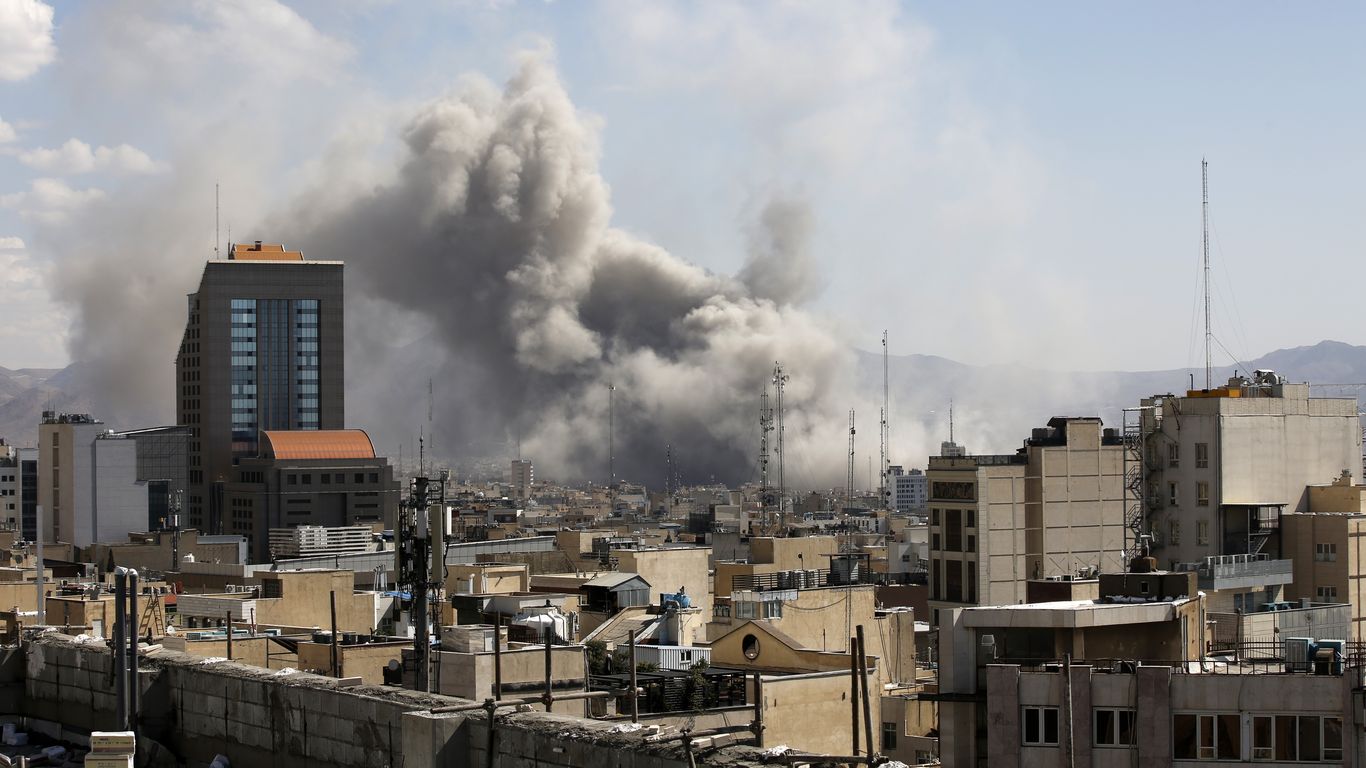
The recent escalation in the Middle East has drawn attention to Israel’s strategic military actions against Iran. Following the ceasefire on April 8, these airstrikes represent a significant development in the ongoing tensions between the two nations. Understanding the context and implications of these strikes is crucial for grasping the evolving dynamics in the region.
Overview of the Recent Airstrikes
Israel’s latest airstrikes on Iran are a crucial turning point in an already strained relationship. These operations not only represent a clear message from Israel regarding its stance on Iran’s nuclear ambitions but also signal a shift in military strategy. The attacks were the first since the ceasefire, indicating a resumption of hostilities that many had hoped would be paused. Analysts suggest that Israel’s actions are aimed at reinforcing its deterrent capabilities while seeking to disrupt Iran’s military progression.
Furthermore, these strikes appear to target specific Iranian military installations that are seen as threats. By conducting such precision strikes, Israel aims to damage Iran’s ability to retaliate or expand its influence in the region. This highlights Israel’s ongoing concern over Iran’s increasing involvement in neighboring conflicts, particularly in Syria and Lebanon. The strikes illustrate a calculated effort to curtail Iran’s growing influence in the region while maintaining a clear stance against its nuclear development program.
Historical Context of Israel-Iran Relations
The relationship between Israel and Iran has long been characterized by tension and rivalry, especially since the Iranian Revolution of 1979. Historical grievances, ideological differences, and competing geopolitical interests have fueled animosity between these two nations. Israel views Iran’s nuclear program as an existential threat, prompting preventive measures to ensure its national security.
In recent decades, Iranian-supplied weaponry and militias have strengthened adversarial positions against Israel, contributing to a climate of fear and hostility. Israel’s robust defense strategies have included preemptive strikes and intelligence operations, often targeting Iranian assets to thwart perceived threats. The latest airstrikes thus fit within this broader pattern of military engagement designed to limit Iran’s reach in the Middle East.
Implications for Regional Stability
The implications of these airstrikes extend beyond Israel and Iran, potentially affecting stability throughout the region. Countries like Syria, Lebanon, and Iraq may find themselves caught in the aftermath of increased military actions. Pro-Iran groups may retaliate against Israeli targets, leading to escalated confrontations that could destabilize surrounding areas.
Moreover, the international community is closely monitoring these developments, as they could influence diplomatic relations and negotiations surrounding Iran’s nuclear program. A rise in military hostilities might shift the focus away from dialogue toward military solutions, complicating efforts to achieve a lasting peace. As nations around the globe assess the consequences, the potential for a more volatile Middle Eastern landscape looms large.
This evolving situation underscores the need for vigilant observation and proactive strategies from diplomatic entities dedicated to resolving the crisis. As Israel continues to assert its military prowess, the hope remains that diplomatic channels can be leveraged to address the underlying issues contributing to ongoing conflict in the region.
In summary, Israel’s airstrikes on Iran mark a critical juncture in Middle Eastern geopolitics. By understanding the implications of these actions, one can appreciate the complexities that define the interactions among various state and non-state actors within this volatile environment.