
Rafael Grossi, the head of the International Atomic Energy Agency (IAEA), has recently emphasized the need for Iran to renew its commitment to nuclear inspections. His call comes amid ongoing tensions and a critical need for transparency regarding Iran’s nuclear activities.
Grossi’s Urgent Request for Engagement
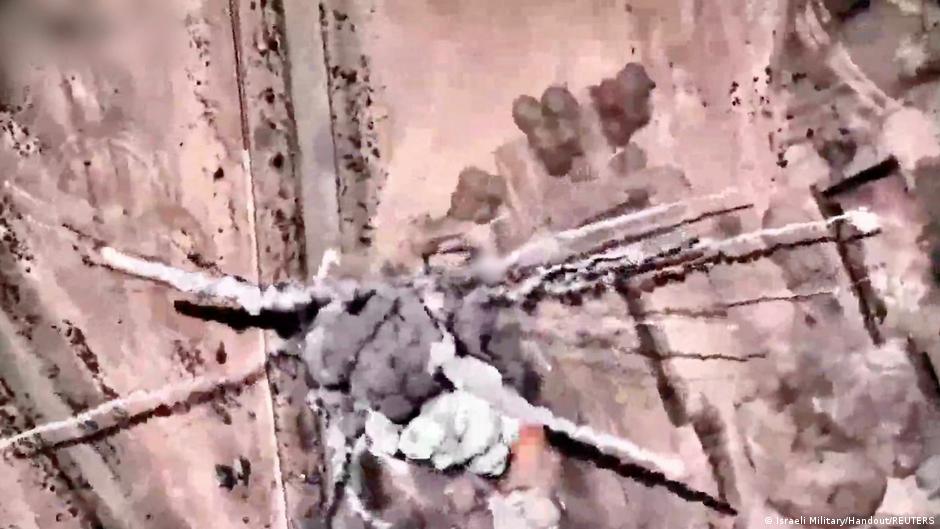
In a message addressed to the IAEA board, Grossi urged Iran to actively participate in discussions to address concerns surrounding its nuclear capabilities. The agency is particularly focused on assessing the impact of last year’s conflicts, which saw the US and Israel launch airstrikes on Iranian nuclear facilities. As a result, the IAEA has yet to receive crucial updates from Iran regarding the condition of these sites and any nuclear materials that may be housed there. Grossi stated, “I am calling on Iran to engage with the Agency constructively to ensure the full and effective implementation of nuclear safeguards.”
Despite sporadic communication with Iranian officials, including the foreign minister, Grossi lamented that direct dialogue has been mostly cut off. During a media briefing, he expressed concern about the lack of communication channels, highlighting the importance of maintaining a cooperative relationship for effective oversight of nuclear programs.
US Demands Transparency from Iran
In alignment with Grossi’s concerns, the United States has taken active measures to press Iran for more detailed disclosures regarding its enriched uranium reserves and the status of bombed nuclear sites. The US has proposed a draft resolution to the IAEA board that calls for Iran to provide this essential data “without delay.” For the resolution to take effect, it would need unanimous approval from all 35 members of the IAEA board.
This heightened call for Iran’s compliance is part of a broader strategy aimed at ensuring that the Islamic Republic does not move forward with its nuclear ambitions without adequate oversight. The ongoing pressure reinforces the international community’s concerns about proliferation and the possible military dimensions of Iran’s nuclear program.
Iran’s Response to External Pressures
In response, the Iranian government has accused the US and Israel of undermining cooperation with the IAEA. An official statement from the Iranian Mission to the UN in Vienna characterized the difficulties in nuclear oversight as a direct result of “17 waves of illegal armed attacks” by these countries against Iran’s nuclear facilities. This assertion reflects Iran’s stance that it is being unfairly treated and emphasizes its perspective on the geopolitical landscape surrounding its nuclear activities.
Alongside these claims, Tehran highlighted the military actions that struck key nuclear sites, including Fordow, Natanz, and Isfahan, during the aforementioned twelve-day conflict. The Iranian government argues that these actions have not only jeopardized its infrastructure but also complicated international efforts for nuclear collaboration.
As tensions escalate, the dialogue around Iran’s nuclear program remains critical for global security. The interplay between enforcement by international agencies, like the IAEA, and Iran’s assertive posturing continues to shape the narrative surrounding one of the most contentious issues in contemporary geopolitics.