
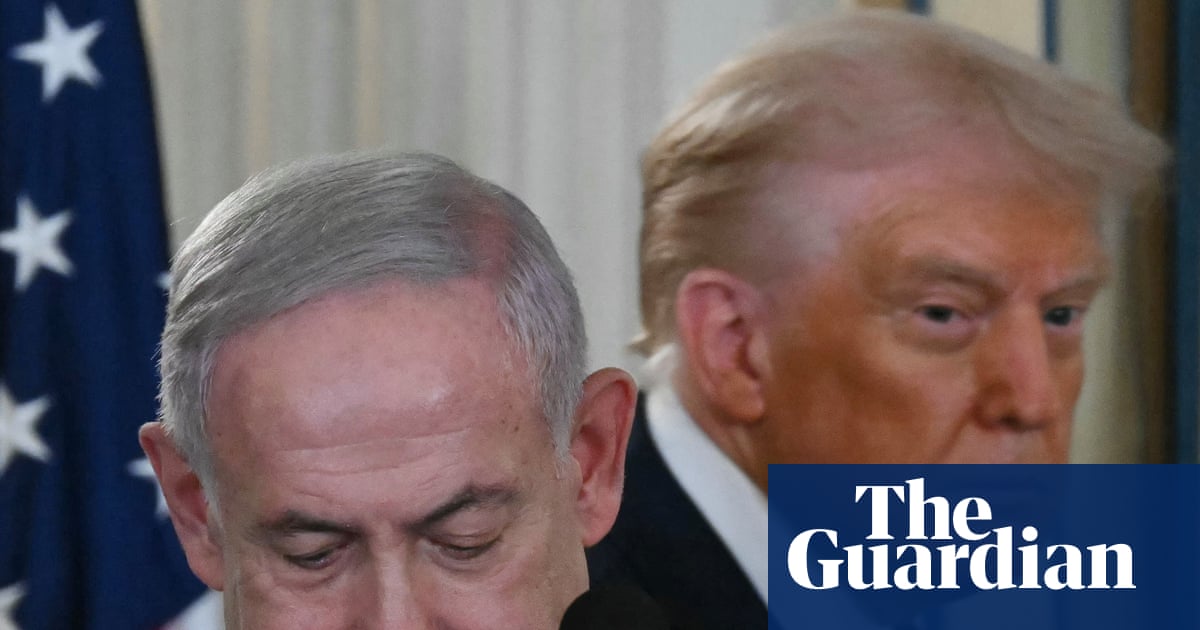
Donald Trump’s recent attempts to mediate tensions between Israel and Iran faced challenges after the Israeli military launched strikes on targets in Iran. This escalation comes amid rising hostilities, as Iran previously targeted Israel with missile strikes following Israeli actions in Lebanon. The situation poses significant risks of escalating into a wider conflict in the Middle East.
Trump’s Diplomatic Interventions
The U.S. president urged Benjamin Netanyahu not to retaliate following Iran’s missile attack on Israel, yet this call seemed to have little effect. In the wake of Iranian responses, the Israeli military confirmed its strikes on various military installations across western and central Iran. This offensive move has sparked concerns over U.S. involvement, as reports indicated a lack of communication from the White House regarding whether these actions were coordinated.
Trump expressed a strong desire to conclude discussions concerning Iran, stating that the volatile situation must not derail the prospects of a diplomatic agreement. In a recent statement, he disclosed plans to contact Netanyahu, advising caution and restraint following the latest military actions from both sides. His assertion that both nations had met their respective quotas of retaliation highlights a plea for de-escalation.
Responses from Iran and Regional Tensions
In response to recent Israeli airstrikes, Iranian officials have made provocative statements, declaring that U.S. bases in the region have become legitimate targets. This rhetoric, led by Mohammad Bagher Ghalibaf, the Iranian parliament speaker, suggests that Iranian retaliation could extend beyond directly confronting Israel. Sirens were reported across northern Israel shortly after these comments, indicating a heightened state of alert.
Amid these developments, Iran has vowed to deliver a “decisive and painful” answer to Israeli military actions. Such statements amplify the apprehension surrounding a potential regional conflict, as fears mount regarding the effects of military engagements on civilian populations and broader geopolitical stability.
Trump’s Media Appearances and Controversies
In domestic affairs, Trump continues to create headlines, recently walking out on a contentious NBC interview due to clashes over his claims regarding the integrity of the 2020 presidential election. His abrupt departure occurred during a dialogue with Kristen Welker, indicating the ongoing tensions within American political discourse. These incidents reflect Trump’s ongoing influence and his contentious relationship with mainstream media.
Moreover, rumors have emerged regarding Trump’s interest in purchasing the Chagos Islands from Mauritius. This potential acquisition could enhance U.S. military strategic interests in the region. However, the White House has not commented on the matter, leaving the plans shrouded in uncertainty.
Public Discourse and Controversial Statements
The discourse around immigration and public commemorations has also intensified, especially as the U.S. approaches its 250th anniversary. Recent remarks made by figures like Pete Hegseth have been criticized for invoking the memory of military history while discussing contemporary immigration issues. Such comparisons have sparked outrage among historians and activists, who argue that it tarnishes the memory of those who sacrificed their lives for national freedom.
Amid these controversies, Trump remains a polarizing figure. His statements and actions continue to fuel debates over American identity and history. As conflicts abroad and issues at home collide, Trump’s influence remains a central topic in discussions of U.S. policy and political climate heading into the future.
In summary, as the U.S. navigates diplomatic challenges involving Iran and Israel, Trump’s role in mediating these tensions and his domestic controversies highlights the complexities of current geopolitical dynamics. The interlinked themes of military engagement, regional stability, and American identity are likely to dominate headlines in the months to come.