
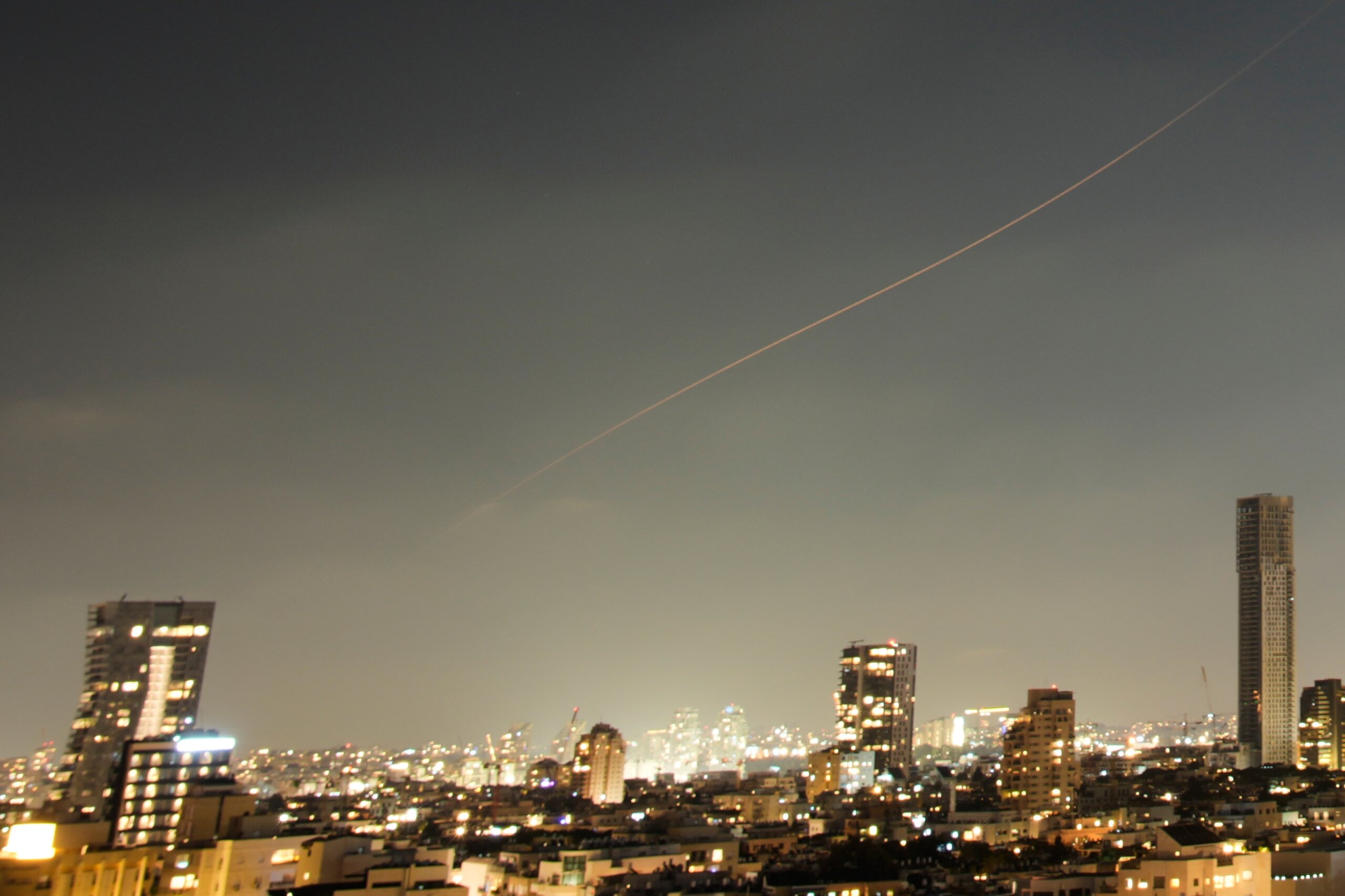
Tensions in the Middle East escalated significantly on Monday as Israel responded to missile strikes from Iran, further complicating ongoing efforts to mediate peace in the region. With hostilities flaring once again, the delicate balance established by a temporary ceasefire since April appears to be in jeopardy.
Israel Responds to Iranian Missile Threats
Reports from Iranian state media indicated explosions in major cities, including Isfahan and Tehran, linked to Israel’s retaliatory strikes. This marked a significant uptick in conflict, with Iran conducting missile attacks against Israel for the first time since the ceasefire was enacted. The situation poses a serious risk of re-escalating full-scale warfare, complicating mediation efforts aimed at resolving ongoing tensions.
Iran’s missile assault was reportedly in retaliation to an unanticipated Israeli airstrike in Beirut’s southern suburbs. This attack occurred despite previous requests from the U.S. government for Israel to exercise restraint. According to Israeli officials, the Iranian-backed group Hezbollah launched an attack on northern Israel on the same day of the airstrikes, prompting a harsh response from Israeli forces.
Saudi Arabia Joins the Fray
On the same day, Saudi Arabia activated missile alert sirens around its air base, which hosts U.S. troops. This indicates a potential widening of the conflict, placing U.S. assets at risk and raising the stakes in an already volatile region. While specific details surrounding the alerts remain scarce, they signal a heightened state of alert among U.S. and Saudi forces amid escalating hostilities.
The Israeli strikes directly challenge U.S. President Donald Trump’s recent advice to Israeli Prime Minister Benjamin Netanyahu, with Trump urging restraint in further military responses. In a conversation with The Financial Times, Trump asserted his position of authority over Israel’s military strategy, claiming, “I call the shots.” This statement underscores the complexities of U.S.-Israel relations, especially during periods of heightened conflict.
Regional Ramifications and Iranian Airspace Closures
In response to the Israeli airstrikes, Iran swiftly closed its airspace around Imam Khomeini International Airport, showcasing its readiness to engage in defense measures. Such a move underscores the serious ramifications of this renewed conflict, as both nations prepare for potential further military action.
Furthermore, Israel reported detecting missile fire aimed at its territory from Yemen, where Iranian-backed Houthi rebels have shown an increasing willingness to strike. While the Houthis have not been deeply involved in the Iran-Israel conflict, their actions further complicate the fragile regional stability and indicate a potential for broader engagement in the Hostilities.
As the situation continues to unfold, the focus remains on how this renewed conflict will influence ongoing mediation efforts and the delicate balance of power in the region. With multiple nations drawn into the fray, the stakes are higher than ever, prompting both regional and global implications for peace and security.