
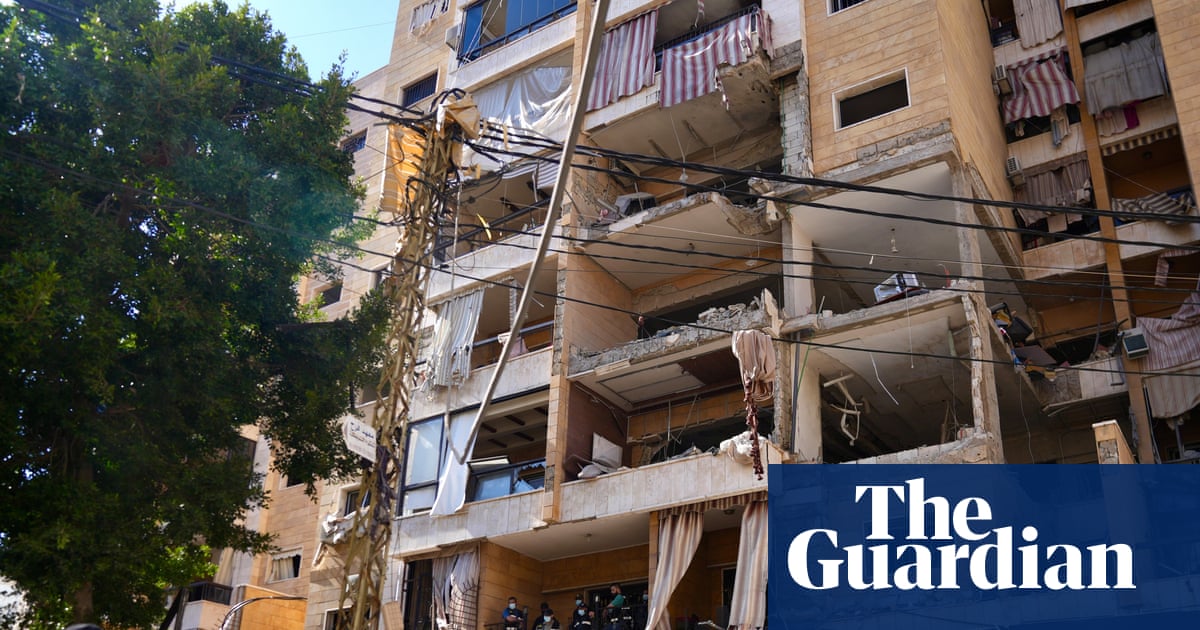
Israel conducted airstrikes in central and western Iran on Monday, a provocative move that appears to disregard President Donald Trump’s calls for restraint. This escalation between the two nations marks a significant turn in a conflict that had been temporarily quelled by a ceasefire agreement earlier this year. The recent exchanges of fire come after Iran retaliated against Israel following prior strikes in Beirut, increasing fears of a broader regional conflict that could engulf the Middle East.
Escalating Tensions
This recent escalation is noteworthy as it represents the first direct confrontation between Israel and Iran since April’s ceasefire ended hostilities. Iranian state media reported multiple explosions across significant cities, including Tehran and Isfahan, following Israel’s bombardment. The Iranian Revolutionary Guards claimed that Israel utilized air-launched ballistic missiles in its assault, emphasizing the severity of the situation.
Just hours before the airstrikes, President Trump had reportedly urged Israeli Prime Minister Benjamin Netanyahu not to respond immediately to the Iranian missile attack that occurred the previous night. However, in a surprising turn of events, Israel proceeded with its attacks, raising questions about the level of coordination between the U.S. and Israeli leadership.
Regional Fallout
Consequences of these actions have led to heightened tensions throughout the region. Following the airstrikes, Iran restricted air traffic around Tehran’s Imam Khomeini International Airport, the country’s primary air hub. Meanwhile, Saudi Arabia activated missile alert systems in areas housing U.S. military personnel, further complicating an already volatile situation. The Israeli military reported attempts to intercept a missile launched from Yemen, indicating a broader threat that extends beyond Israel and Iran to include other players in the region.
The backdrop for these events lies in a complex web of retaliatory attacks. Iran had launched multiple ballistic missiles at northern Israel in retaliation for airstrikes in Beirut, although Israeli defense systems reportedly intercepted those missiles. The tensions were only exacerbated by Hezbollah’s involvement, with rocket attacks launched at Israeli forces, resulting in casualties on both sides.
Political Implications
The exchange of military actions poses a significant challenge to ongoing diplomatic efforts between the U.S. and Iran. Following the bombings, Iranian officials condemned the strikes and accused the U.S. of enabling Israeli aggression, stating that American and Israeli assets are now “legitimate targets.” Meanwhile, Trump expressed a desire for Iran to cease missile attacks and return to negotiations while simultaneously downplaying the coordination of Israel’s actions with the U.S. administration.
As the situation unfolds, the economic implications are already evident; global oil prices soared in response to the strikes. Brent crude jumped significantly while stock markets, particularly in Asia, faced declines due to fears of escalating conflict in a region known for its oil production capabilities. The uncertainty from these military exchanges has potential ramifications not just for the Middle East but for global markets that are sensitive to disruptions in oil supply.
In summary, the events of the past few days represent a dangerous escalation in the long-standing conflict between Israel and Iran. The skirmishes have raised the stakes for international diplomacy and highlighted the precarious balance of power in the region. With both nations poised for further retaliation, the prospect of a wider war could loom unless immediate measures are taken to avert further conflict.