
Americans appear increasingly skeptical of Donald Trump’s assertions regarding the conclusion of the conflict with Iran. Despite his bold claims, many citizens seem unconvinced that Iran is both unwilling and unable to sustain its military endeavors.
Shifting Perspectives from the Trump Administration
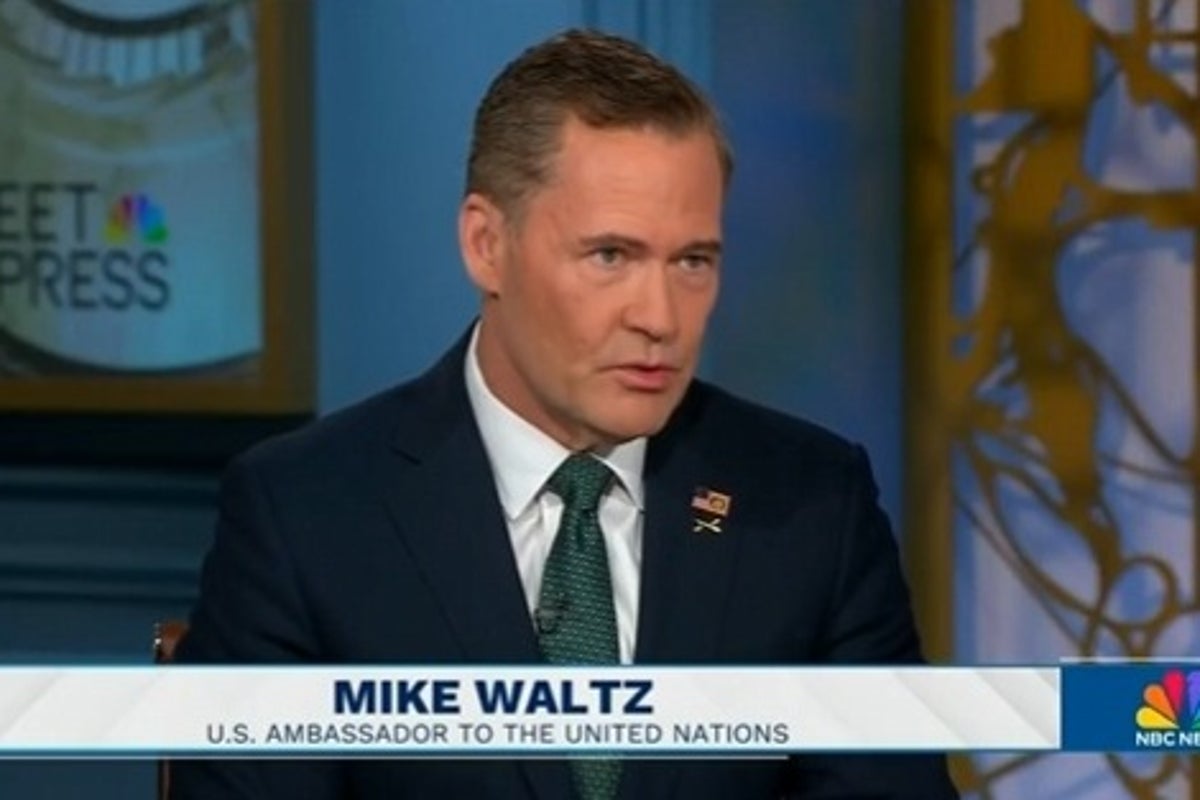
During a recent appearance on NBC’s Meet the Press, U.N. Ambassador Mike Waltz made it clear that he would not estimate when the war might conclude. This divergence from the more definitive timelines previously shared by other administration officials adds to an emerging sense of uncertainty about the war’s resolution. Waltz stated, “I’m not going to put some kind of timeline on it,” which undoubtedly reflects growing hesitation within the administration itself.
This war has faced substantial criticism, particularly from lawmakers on Capitol Hill. Although several War Powers resolutions aimed at curtailing the president’s military authority have been defeated in the Senate, a noticeable shift is occurring among Senate Republicans, who are increasingly voicing their opposition to the conflict, citing it as a misguided decision from its inception.
Public Sentiment and Polling Insights
A newly released CBS News poll underscores the public’s disillusionment with the Trump administration’s handling of the situation in Iran. The data revealed that a meager single-digit percentage of Americans still believe the administration’s forecasts that the conflict will soon end. In stark contrast, more than half of respondents anticipate that the war will drag on for several months, if not longer.
As the conflict inches towards five months, senior officials from the Trump administration find themselves at a standstill regarding negotiations, which have been sidelined amid rekindled hostilities. Just recently, President Trump attended the ceremonial transfer of four U.S. service members who lost their lives in an Iranian assault, during which he claimed, without evidence, that the soldiers had insisted on not allowing Iran to develop nuclear capabilities.
The Economic Implications and Voter Sentiment
The ongoing conflict has not only drawn public dissent but has also begun to strain the economy, with rising gas prices partly attributed to renewed tensions in the Strait of Hormuz. Many Republicans are apprehensive about these economic repercussions, especially since Trump campaigned on a promise to refrain from entering prolonged wars that would drive up costs. Polls suggest that disappointment with Trump’s departure from these commitments is being felt across his base.
With the midterms approaching, Republicans confront a challenging electoral landscape, as voter sentiment begins to sour. Moreover, the U.S. and Iranian forces have recently halted attacks in the region for unclear reasons. While a spokesperson for the White House conveyed that diplomatic strategies remain the administration’s preferred avenue, the specific nature or progress of these discussions remains largely unconfirmed.
In summary, the increasingly skeptical American public, the growing dissent among congressional Republicans, and the looming economic factors indicate a complicated landscape for the Trump administration as it navigates its policies in Iran. As the situation unfolds, it remains crucial for the administration to reassess its strategies and engage meaningfully with both diplomatic efforts and public sentiment to ensure credibility and electoral viability.