
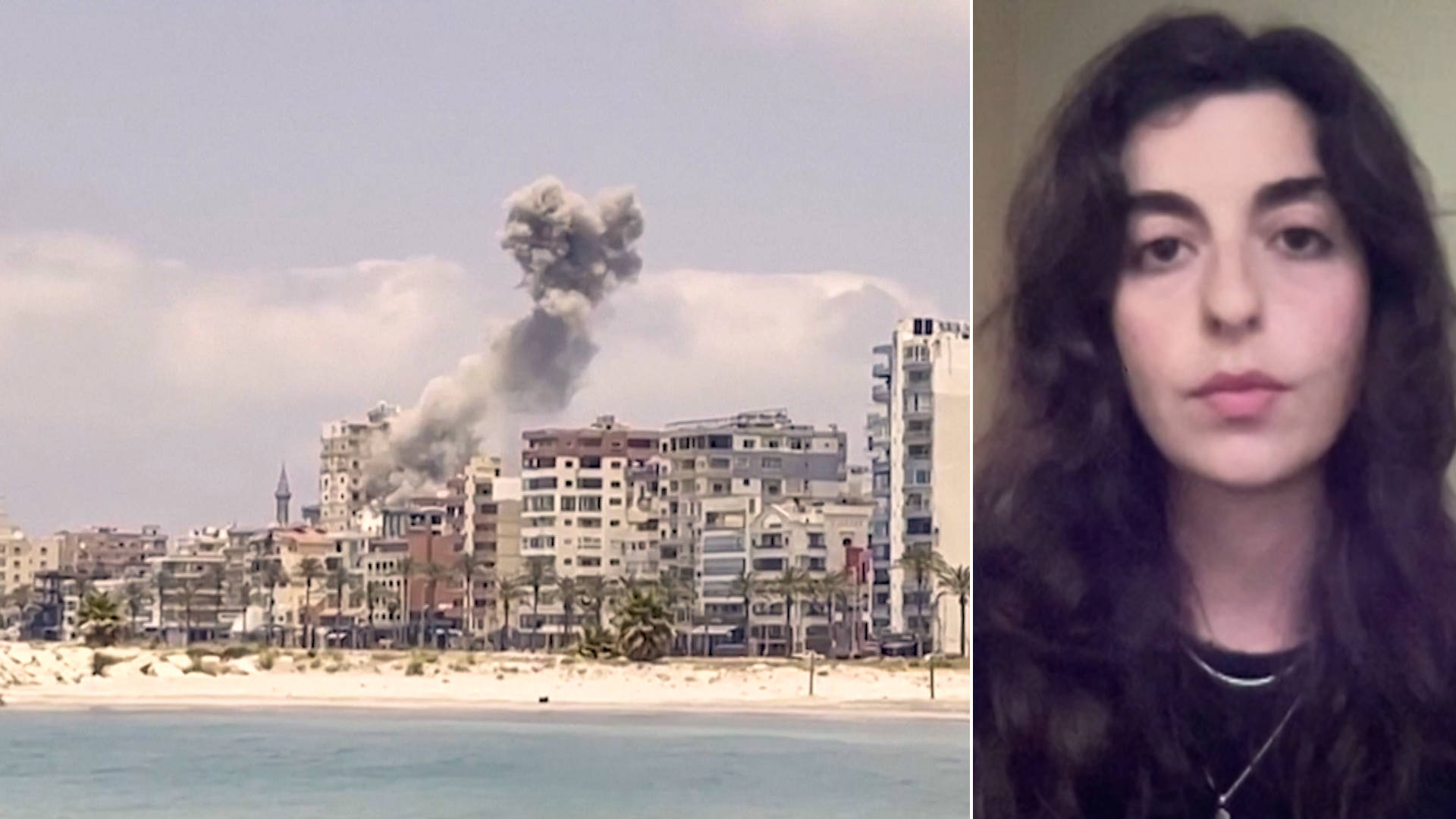
Ongoing tensions between Israel and Lebanon have drawn global attention, especially as diplomatic efforts intensify between the United States and Iran. As conflict escalates, key stakeholders are navigating a complex landscape influenced by long-standing political dynamics and strategic alliances.
Israel’s Assaults on Lebanon
Israel has intensified military operations in Lebanon, a move that raises significant concerns amid ongoing negotiations for a potential ceasefire. With the U.S. attempting to broker an agreement that may also involve Iran, the situation remains precarious. Iran insists that any ceasefire must encompass Lebanon, highlighting the interconnected nature of regional conflicts. The ongoing violence not only threatens stability but also exacerbates humanitarian issues in affected areas, making the need for a comprehensive resolution increasingly urgent.
The Role of the United States
Lylla Younes, an investigative journalist based in Beirut, has articulated the contradictions inherent in U.S. foreign policy. Despite President Trump’s assertions of seeking peace with Iran, Younes argues that the U.S.’s continued support for Israeli military actions effectively undermines any genuine effort toward resolution. She states that the notion of an “angry phone call” between Israeli Prime Minister Netanyahu and Trump lacks substantial impact when Israel is granted unchecked military resources and support. This situation raises questions about the U.S.’s true intentions in the region and the effectiveness of its diplomatic engagements.
Humanitarian Concerns and Reporting from the Ground
Younes has also shed light on the harrowing experiences of those affected by the conflict, particularly through her reporting on ethnic cleansing in Ain Arab, a village in southern Lebanon. This investigative work underscores the human cost of geopolitical decisions and the urgency for international attention to the plight of civilians caught in the crossfire. The situation in Ain Arab serves as a microcosm of the broader crisis, where local populations endure devastating consequences while larger powers negotiate behind closed doors.
The Urgent Need for a Diplomatic Solution
As the conflict in Lebanon continues to unfold, the call for a diplomatic resolution grows louder. Stakeholders must recognize the complexity of the situation and the necessity of including all affected parties in discussions. Engaging with the realities on the ground, rather than relying solely on geopolitical maneuvering, will be essential for any lasting peace. The intertwined fates of Lebanon, Israel, and Iran require a nuanced approach, one that prioritizes humanitarian concerns and fosters genuine dialogue among all involved.
In summary, the ongoing assaults by Israel on Lebanon highlight the urgent need for diplomatic engagement and a reevaluation of U.S. foreign policy. As reports of human rights abuses and ethnic cleansing emerge, it becomes clear that the ramifications of conflict extend far beyond political boundaries. Thus, the quest for a sustainable resolution must encompass not only negotiations among state actors but also the voices and experiences of those directly impacted.