
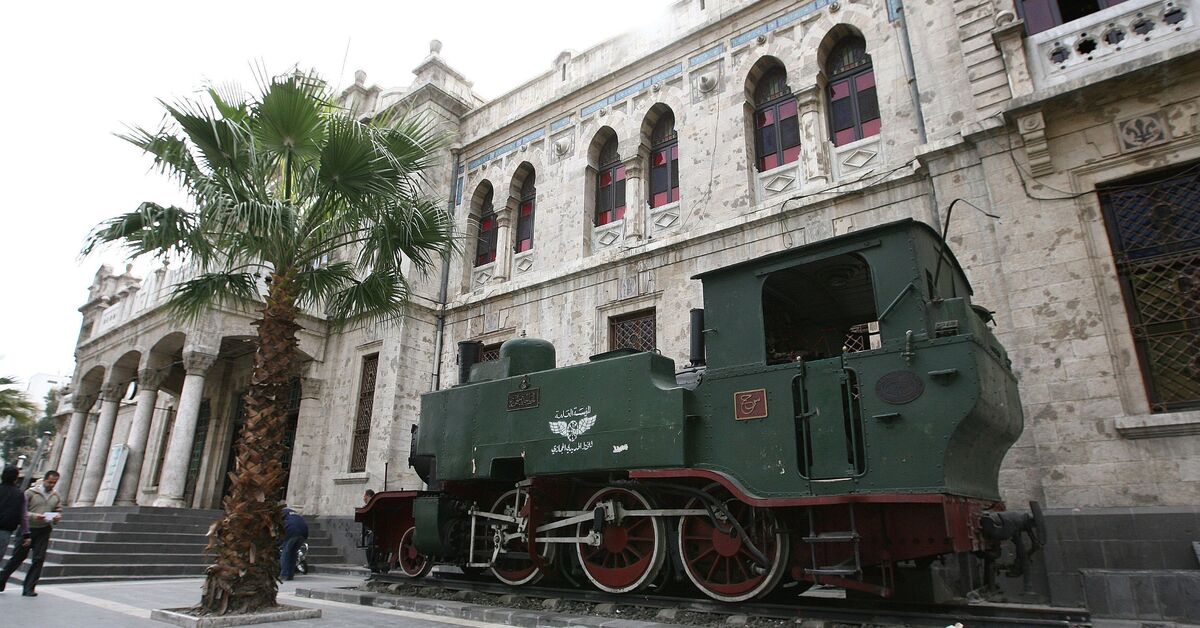
Saudi Arabia and Turkey have taken significant steps toward enhancing their transportation networks through newly signed agreements focused on railway connectivity and logistics services. This collaborative effort aims to revive a historic railway route that has not been in widespread use for over a century. As both nations seek to bolster regional trade and logistics, the implications for transportation in the Middle East are profound.
Reviving Historical Connections
On a recent visit to Saudi Arabia, Turkish Transportation and Infrastructure Minister Abdulkadir Uraloglu formalized these agreements, marking a pivotal moment for both countries. The Hejaz Railway, originally operational in 1908, connected Turkey to Saudi Arabia via Jordan and Syria, serving as a vital conduit for the movement of goods and people. The signing of these memorandums of understanding is a step toward restoring that connectivity. Uraloglu expressed optimism for future cooperation, stating that discussions in Riyadh focused on advancing logistics and railway projects.
The revival of the Hejaz Railway holds the potential for not just regional infrastructure improvement, but also economic rejuvenation. According to Saleh al-Jasser, Saudi Arabia’s Minister of Transport and Logistics Services, the joint studies for this railway project are expected to conclude by year’s end. The aim is to enhance regional integration, support trade, and create a sustainable transport network that will benefit not only Saudi Arabia and Turkey but also their neighbors.
Strategic Importance and Future Prospects
Notably, the railway initiative is not an isolated effort. Turkey, Syria, and Jordan recently signed a trilateral transportation memorandum aimed at modernizing their railway systems and improving regional connectivity. Uraloglu provided insights into how Turkey envisions the project’s implementation, stating that the initial phase will focus on restoring the rail link between Turkey and Aleppo, Syria. This foundational step will pave the way for expanding the existing Aleppo-Damascus-Jordan route.
The revival of this railway is particularly significant given the ongoing geopolitical tensions in the region, including disruptions to major trade routes like the Strait of Hormuz. With rising shipping costs and security concerns, countries are actively seeking alternative transport corridors. Ultimately, this revamped railway could integrate with the Gulf railway network, providing a reliable means for regional states to boost economic ties and logistical efficiency.
Broader Implications for the Region
As this transport project gains momentum, addressing the challenges posed by geopolitical conflicts becomes crucial. Turkish Trade Minister Omer Bolat noted during a recent summit that the railway could help diminish Israel’s influence while fostering greater unity among regional states. He emphasized that increased economic and political solidarity would contribute to peace and stability across the Middle East and the Gulf.
Ankara’s aspirational vision includes extending the railway toward Oman, connecting it ultimately to the Arabian Sea. This would offer an overland trade route less reliant on maritime pathways currently affected by conflict. Such advancements could facilitate not only energy transport but also the movement of goods, trade, and agricultural products, thereby enriching the region’s economic landscape.
In conclusion, the railway agreements between Saudi Arabia and Turkey signal a turning point for regional connectivity. By focusing on restoring and modernizing historical transportation networks, both nations aim to enhance trade relations, foster economic growth, and create a sustainable framework for future collaboration, positioning themselves favorably in an evolving geopolitical context.