
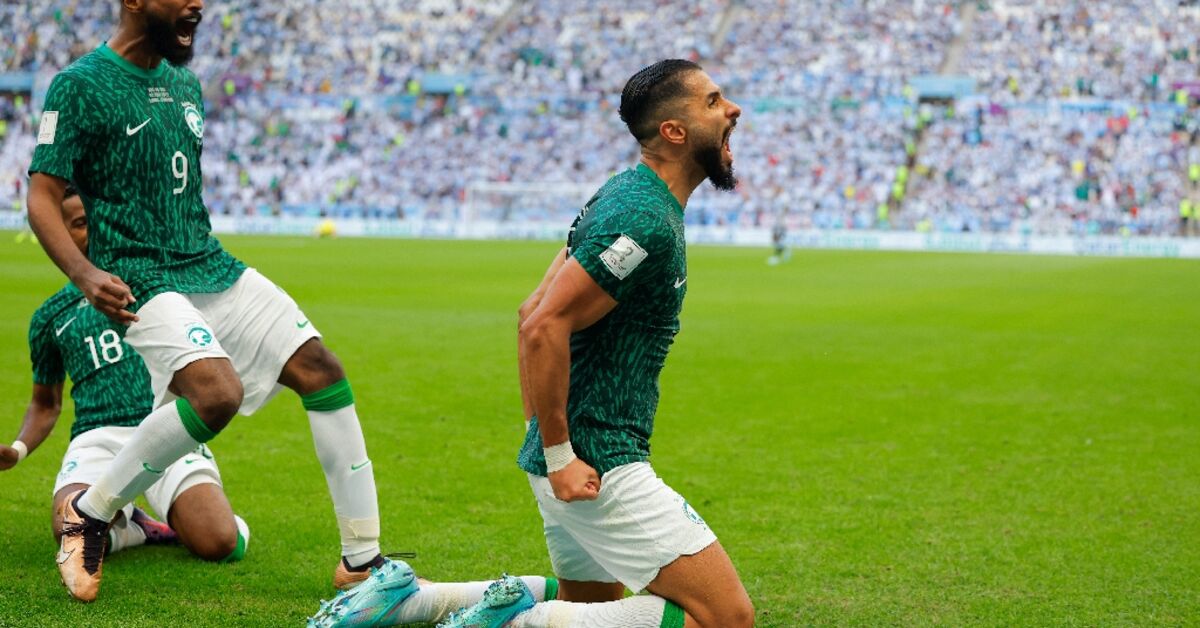
Saudi Arabia has been making headlines for its aggressive investment in football, attracting high-profile players and significant attention. However, the national team’s recent performance has been less than stellar, leaving them eager to turn their fortunes around as they gear up for the upcoming World Cup.
Royal Investment in Football
The Saudi government has poured approximately $2 billion into the sport over a three-year period, aiming to elevate the Saudi Pro League to world-class standards. Star athletes like Cristiano Ronaldo, Neymar, and Karim Benzema have joined the league, resulting in greater visibility and prestige. Additionally, Saudi Arabia secured hosting rights for the 2034 World Cup, further reinforcing its commitment to diversifying its economy through increased tourism and global business investments.
Challenges on the International Stage
Despite these lavish ambitions, the Saudi national team has faced considerable challenges. After surprising the football world by defeating eventual champions Argentina in the 2022 World Cup group stage, the team has struggled to replicate that success. They narrowly qualified for the 48-team tournament this time, edging out teams like Indonesia and Iraq based on goal differential. Recent defeats, including a heavy 4-0 loss to Egypt, led to the dismissal of French coach Herve Renard, emphasizing the turmoil within the squad.
Greece’s Georgios Donis, who took over just months before the World Cup, has pointed out that the influx of star foreign players has hindered local talent’s development. “The Saudi players are learning a lot from experienced players,” he noted, “but they aren’t getting the same opportunities to play as before.” This is a concern, as match experience is crucial for building the rhythm and tempo needed to compete at the highest levels.
The Road Ahead for the Green Falcons
The Saudi national team faces a daunting task in Group H, which includes football powerhouses like Spain and Uruguay, as well as Cape Verde. Despite the challenges ahead, Donis remains hopeful, stating that the expanded tournament format allows eight third-place teams to move forward, potentially allowing for a surprise showing. “The Saudi players have big talent and have to continue fighting for their chances,” he urged.
Historically, Saudi Arabia has been a strong contender in Asian football, boasting three Asian Cup victories and now entering its seventh World Cup. Yet, analysts argue that the recent shift towards foreign talent has impacted the development of homegrown players. Amro Elserty, a sports analyst, observed that the league’s roster changes have left Saudi players with significantly reduced opportunities on the field.
Strategic Focus for Future Success
Another layer of complexity is the fact that only one player from the current squad competes abroad, indicating a lack of diversity in their playing experience. This situation puts additional pressure on the team to perform better than they did in the previous tournament, which saw an early exit despite their remarkable victory over Argentina. As Simon Chadwick, a professor of Eurasian sport, notes, this World Cup serves as an important milestone on the road to 2034. He emphasizes the need for clear targets and a plan for measuring progress moving forward.
In summary, while Saudi Arabia is eager to showcase its footballing potential through significant investments, the national team’s challenges must not be overlooked. By focusing on developing homegrown talent and strategically navigating the complexities of international competition, the kingdom aims to shape a promising future in the world of football.