
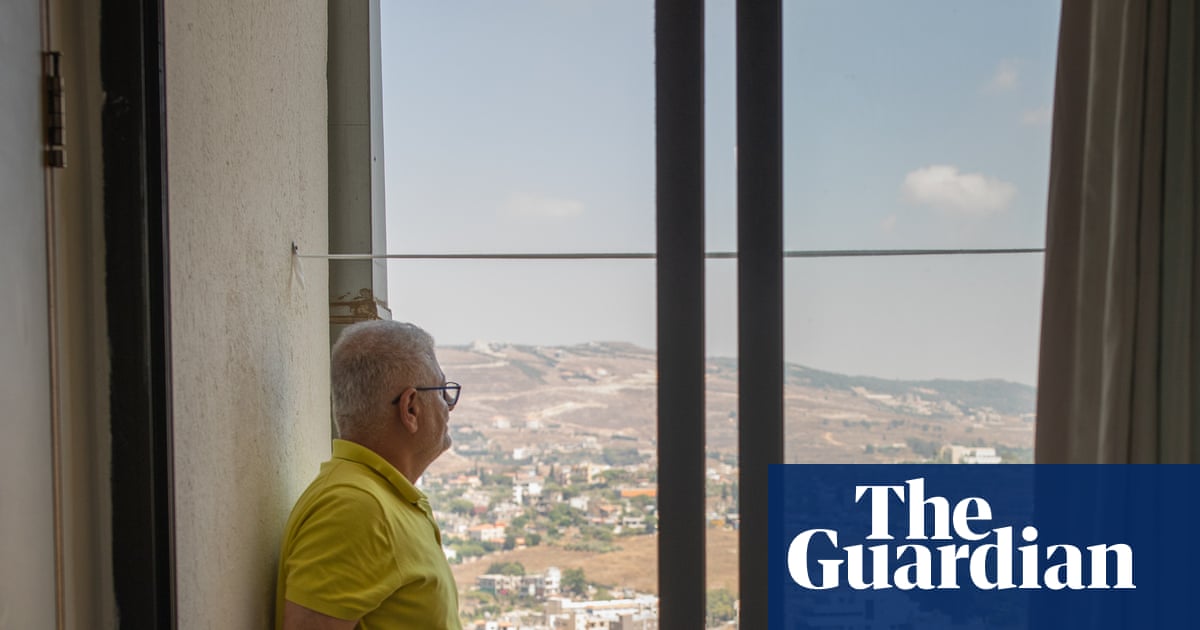
Mustapha Hamze, a dedicated surgeon, finds himself in a haunting dilemma. From the window of the hospital where he works, he can see his home in Kfar Roummane, a village in southern Lebanon. He often gazes out, anxiously checking for signs of destruction amid the explosions that echo nearby. Despite a ceasefire in the ongoing conflict between Israel and Lebanon, returning home remains perilous. His last attempt to reach his residence ended in near-disaster when an Israeli drone targeted him, dropping explosives just meters away.
### Life in Limbo for a Surgeon
At 66 years old, Hamze has witnessed the painful impact of war on his community. The last few months have seen him transform a small surgery room into living quarters. The reception area has become his personal space, while the emergency room serves as his frontline, treating the war-injured. Following Hezbollah’s rocket assault on Israel on March 2, which ignited the latest round of conflict, he closed his private clinic to volunteer full-time at the public hospital in Nabatieh. Since the ceasefire in June, he has managed just a handful of days of rest.
Hamze is far from alone; he is just one of many Lebanese healthcare professionals risking their lives to save others. The violence has rendered Lebanon one of the most dangerous places in the world for medical workers. Reports indicate that over 135 healthcare professionals have fallen victim to deadly strikes, many occurring in what are known as double-tap attacks. Israel claims that ambulances have been misused for transporting weapons for Hezbollah, but organizations like Amnesty International contest this narrative.
### The Inescapable Trauma of War
The sheer intensity of this conflict has left a psychological mark on Hamze and his colleagues. For the first time, they have felt directly targeted, witnessing paramedics leave for missions and return lifeless. The mental toll of these experiences has been overwhelming. Hamze recalls the nightmarish conditions wrought by the bombings, where he witnessed brutality he had only seen in films. Graphic injuries and harrowing scenes of destruction have marred his once ordinary life, leaving him emotionally drained.
One such loss deeply affected Hamze—his connection with a young paramedic named Mahdi Abu Zeid, who was killed during the conflict. The kindness and courage of individuals like Mahdi have made navigating these tragedies all the more painful for Hamze, who reflects that knowing them could sometimes intensify the grief.
### Facing the Unthinkable
The atmosphere in the hospital has shifted, taking on dual roles as both a refuge and a prison. Mohammed Suleiman, the chief paramedic for emergency services in Nabatieh, echoes Hamze’s experience, admitting the new reality of targeted attacks on medical personnel. The fear cast over his team is palpable; they are no longer merely caught in the crossfire, but instead are specific targets for aggression. Each decision to send a team out comes with a heavy burden of guilt and fear.
Indeed, the fatalities among paramedics are heartbreaking. Suleiman lost his 16-year-old son Joud during an airstrike while the young man was providing aid. The burden of responsibility weighs heavily on Suleiman’s shoulders as he grapples with the loss.
### Coping with Continuous Crisis
The random nature of attacks has left many rescuers disoriented. Paramedic Hassan Boussi has witnessed his friends perish under inexplicable circumstances, leading him to conclude that the Israeli army seeks to paralyze their ability to respond to emergencies. Paramedics are well aware of the risks but feel compelled to continue their life-saving work, even as they cope with the pervasive fear and anxiety in an environment fraught with danger.
Though a ceasefire was established in June, the violence lingers, albeit at a somewhat reduced pace. Strikes continue to occur, with medical facilities and personnel still at risk. Recent reports indicate that an ambulance was struck in Nabatieh al-Fawqa, a stark reminder that the conflict is far from over. The commitment of these healthcare professionals remains unwavering, even amid chaos and despair, shining a light on resilience in the face of unimaginable adversity.