
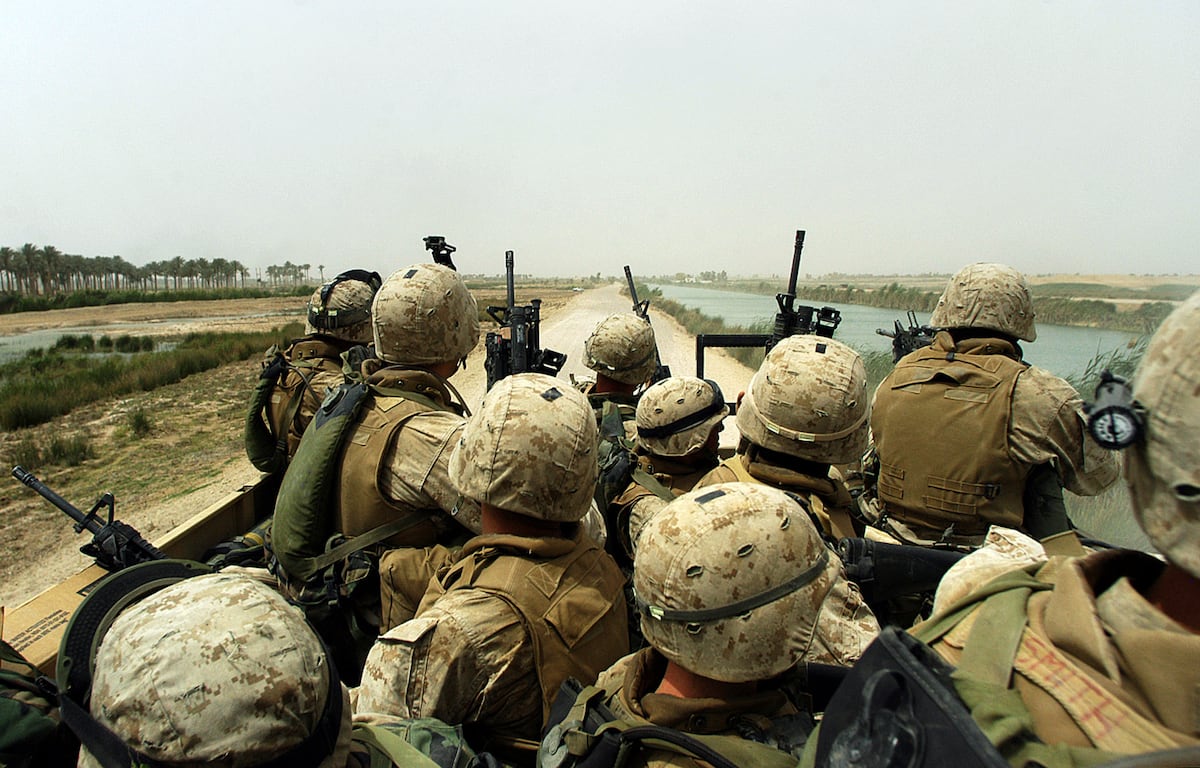
The military is undergoing significant transitions as it readies itself for future conflicts that may differ greatly from the prolonged engagements in Iraq and Afghanistan. As a new generation of leaders emerges, the lessons learned from two decades of warfare are at risk of fading unless they are actively passed down.
Lessons from the Battlefield
Post-9/11 veterans are gradually retiring or moving into civilian roles, creating a leadership gap in the armed forces. This change occurs alongside an evolving military focus towards great-power competitions and advanced technologies. Retired Marine Lt. Col. John Harman emphasizes the necessity of retaining crucial lessons from recent conflicts, highlighting the importance of leadership in high-pressure situations. “Never underestimate the responsibility you have when sending others into potentially life-threatening situations,” he says, drawing from his extensive combat experience.
The essence of effective leadership is often revealed during the most challenging circumstances. During pivotal battles, like the intense fighting in Fallujah, leaders who fostered trust among their teams stood out not for aggressiveness, but for their calmness and commitment. Harman believes that these qualities—steady leadership in the face of adversity—will remain vital in future military engagements, regardless of technological advancements.
Preparing for Tomorrow’s Conflicts
Military strategists have long adapted their training methods to align with the threat landscape of tomorrow. The Pentagon’s 2026 National Defense Strategy emphasizes deterrence against major powers and preparation for diverse combat scenarios. The looming question is: how will operational environments differ from those shaped by past counterinsurgency campaigns? Both military leaders and educators are engaged in discussions about how to pass on essential lessons to new recruits, ensuring that they are prepared for the challenges ahead.
Many younger service members are highly educated and tech-savvy, utilizing cutting-edge tools in battle. However, they often lack the shared operational experiences that characterized earlier generations. Harman notes that lessons once organically learned in the field now need to be explicitly taught in classrooms or through training exercises. This poses a challenge—how can the military effectively impart complex, hard-earned knowledge without forcing the new generation to relearn it through combat?
The Importance of Relationships and Judgement
Insights from retired leaders underscore the irreplaceable value of interpersonal relationships and good judgment. Army Capt. Maxine Reyes emphasizes that building genuine relationships often proves crucial, sometimes more so than tactical expertise. As the military incorporates artificial intelligence and cyber warfare into its strategy, the fundamental need for strong, trustworthy leadership remains unchanged. As Reyes puts it, “In the worst conditions, people follow leaders they trust, not just those who outrank them.”
Military historian Erik Chapman echoes this sentiment, cautioning against the forgetfulness that arises with the retirement of seasoned leaders. Each departure represents not just a vacant position, but also a loss of wisdom, mentorship, and on-ground experience. Chapman urges military leaders to preserve the lessons learned rather than waiting for future conflicts to unveil harsh truths once more.
As the new generation of military leaders prepares for an uncertain future, they carry forward a legacy of lessons that encapsulate decision-making under pressure, building trust, and assuming responsibility. Ensign Christopher Miller, a recent Naval Academy graduate, encapsulates this sentiment well: “While the nature of warfare may change, the demands of leadership and the weight of decision-making remain constant.” The military’s evolution is inevitable; however, its core leadership principles remain as relevant as ever.