
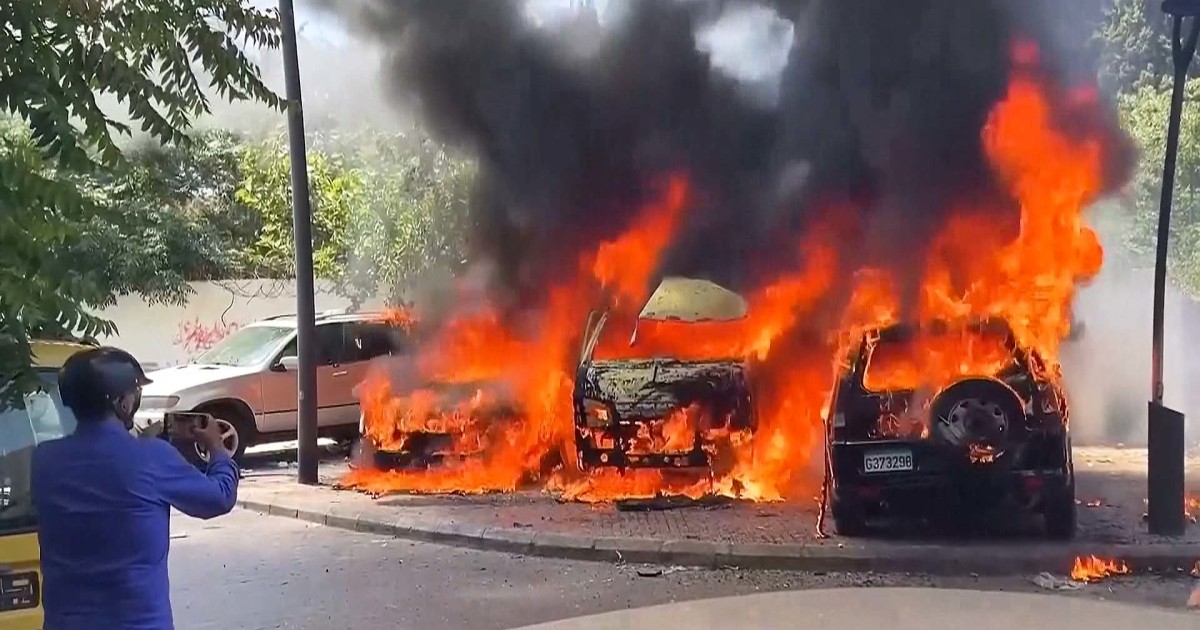
As military tensions escalate between Israel and Iran, troubling developments continue to unfold. In recent days, Israeli drone strikes targeted the city of Sidon in Lebanon, reportedly resulting in fatalities and further casualties in an already dire regional context. The ongoing conflict has raised concerns over the humanitarian impacts and the geopolitical landscape of the Middle East.
Israeli Attacks and Their Consequences
Recent Israeli airstrikes in Lebanon have added fuel to an already volatile situation. The airstrikes are part of a broader military campaign aimed at combating perceived threats from Iranian forces and their regional allies, primarily Hezbollah. Reports indicate that such strikes have resulted in civilian casualties, including two reported fatalities in Sidon. The humanitarian implications are severe, with estimates suggesting thousands of lives lost since the onset of the conflict. This raises urgent questions about the responsibilities of both sides in protecting civilians amidst military operations.
U.S. Involvement and Regional Responses
The United States has voiced its stance through military actions of its own, launching retaliatory strikes against Iranian targets perceived as threats to American forces in the region. These actions come in the wake of downed U.S. helicopters, which the Pentagon attributed to Iranian forces. The decision to engage militarily highlights the U.S.’s commitment to protecting its interests in a region that has long been characterized by conflict and ongoing power struggles. Such actions, while deemed necessary for self-defense, risk further entrenching the United States into the multifaceted conflicts prevalent in the Middle East.
The Humanitarian Crisis at Hand
With military actions escalating, the humanitarian situation becomes increasingly dire. Agencies report that the ongoing violence has led to a staggering number of displaced individuals and families facing dire shortages of basic necessities. The conflict has disrupted access to vital resources, including food and medical care, exacerbating an already precarious living situation for many civilians in conflict zones. Calls for ceasefire and peaceful negotiations are growing louder as the international community seeks ways to alleviate the suffering of innocents caught in the crossfire.
The Broader Geopolitical Implications
The escalating conflict between Israel and Iran has far-reaching geopolitical implications. Regional dynamics are profoundly influenced by the responses of key players, including the United States, Russia, and other neighboring countries. The potential for wider conflict looms as ally systems form, alliances shift, and strategic calculations evolve. The unfolding situation tests diplomatic channels and the efficacy of international interventions aimed at establishing a stable and lasting peace in a region fraught with historical animosities and deeply-rooted grievances.
In conclusion, the intensifying conflict between Israel and Iran presents an urgent call to action for global leaders and peace organizations alike. With casualties mounting and humanitarian needs growing, there is an immediate imperative for diplomacy. As all parties navigate this precarious path, a comprehensive strategy to address security concerns while advocating for civilian safety must be prioritized. The hope for peace hinges not only on military actions but also on meaningful dialogue and concerted efforts towards conflict resolution.