
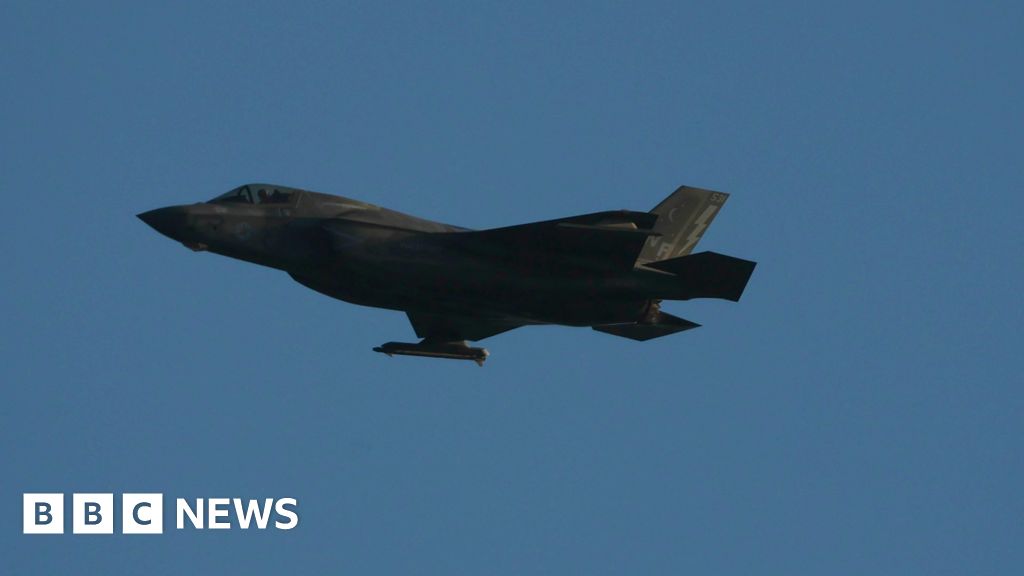
The recent developments surrounding US airstrikes illustrate the escalating tensions between the United States and Iran. Central Command has clearly labeled these military actions as a necessary response to what they deem “unwarranted and continued aggression” from Iranian forces. This situation underscores the complexities of international relations and the delicate balance of power in the region.
Understanding the U.S. Response
The United States has historically taken a strong stance against Iranian military activities, particularly when these actions are perceived as threats to American interests or allies in the region. The airstrikes were carried out following a series of provocations that the US government classified as aggressive maneuvers by Iranian forces. By responding militarily, the US aims to deter further incursions and maintain stability. The airstrikes serve not just as a retaliation but also as a signal that the US will defend its interests and those of its allies vigorously.
Iran’s Position
On the other side, Iran maintains that its military actions are defensive and aimed at protecting its sovereignty. The Iranian regime argues that the United States is overstepping its bounds and unnecessarily escalating hostilities. This viewpoint highlights the ongoing power struggle in the Middle East, where various nations vie for influence. Understanding Iran’s perspective is crucial, as it reflects a broader narrative of resistance against Western intervention, which has been a recurring theme in Middle Eastern geopolitics.
Implications for Regional Stability
The airstrikes’ broader implications should not be overlooked. Such military actions risk igniting further conflicts in an already volatile region. They may provoke retaliatory measures from Iranian forces, leading to a cycle of aggression that can destabilize neighboring countries and affect global oil markets. The fear is that a miscalculation could lead to a wider conflict, drawing in additional parties and complicating diplomatic efforts aimed at resolving tensions.
The Path Forward
As the situation unfolds, the potential for diplomatic intervention becomes increasingly critical. It is essential for all parties involved to seek dialogue and avoid options that could escalate tensions further. International actors, including allies and neutral parties, must play a role in mediating discussions that prioritize de-escalation. Building a framework for peace could ultimately halt the cycle of retaliatory actions.
In summary, the recent U.S. airstrikes against Iran can be viewed as a pivotal moment in their longstanding tension. While designed to counteract what the U.S. sees as aggressive threats, they also have the potential to sever the already fragile threads of regional stability. A commitment to diplomatic solutions may be the best route forward, ensuring that military responses do not lead to greater chaos in the Middle East.