
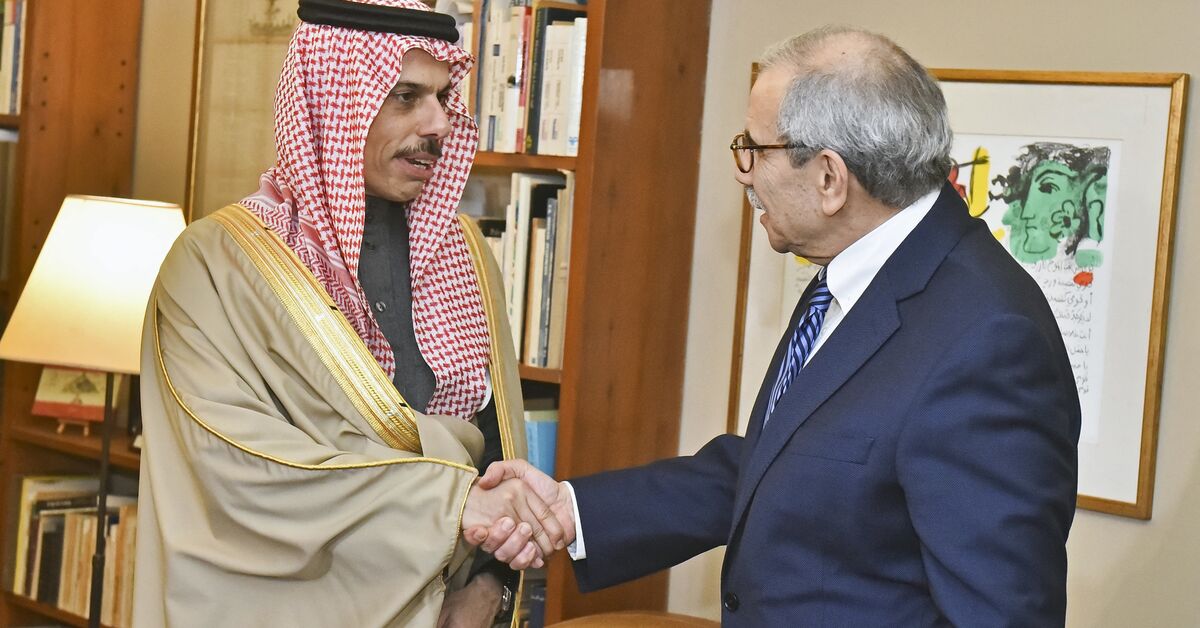
Saudi Arabia has taken a significant step by resuming imports from Lebanon after a five-year halt. This decision signifies a pivotal moment for Lebanon as it aims to reduce Iranian influence in the region and rekindle its relationships with Arab Gulf states.
Details of the Resumption
The announcement came from Saudi Crown Prince Mohammed bin Salman, who attributed the decision to the “positive steps” made by Lebanon’s government in rebuilding its institutions. This revival of trade was requested by Lebanon’s President Joseph Aoun and Prime Minister Nawaf Salam, highlighting the collaborative effort to enhance ties with Saudi Arabia. The Saudi Foreign Minister, Prince Faisal bin Farhan, communicated this decision directly to Prime Minister Salam, reinforcing the kingdom’s commitment to supporting Lebanon’s stability.
Background of the Ban
Saudi Arabia initially imposed a ban on Lebanese imports in April 2021, following the discovery of over 5.3 million Captagon pills hidden within a shipment of pomegranates. The incident not only intensified Saudi concerns over drug trafficking from Lebanon and Syria but also aggravated a broader diplomatic rift exacerbated by disrespectful remarks from a Lebanese minister about Saudi military actions in Yemen. Consequently, the ban expanded to include all Lebanese imports, stressing ongoing issues between the nations.
Since the appointment of new leadership in Lebanon, the government has intensified efforts to combat smuggling networks, thereby laying the groundwork for the resumption of trade with Saudi Arabia. This commitment to cracking down on drug trafficking aligns with Saudi Arabia’s expectations and is crucial for rebuilding trust between the two nations.
Economic Consequences
The lifting of the import ban is expected to provide a much-needed economic boost to Lebanon, which has been grappling with a severe economic crisis. Until the ban was imposed, Saudi Arabia was a significant trading partner for Lebanon, accounting for nearly $230 million in exports in 2020. In contrast, the trade deficit between the two countries ballooned to $885 million in 2024, starkly contrasting the average annual deficit of $108 million recorded from 2016 to 2021. President Aoun remarked that this decision would meaningfully revive the national economy and benefit a broad spectrum of Lebanese producers and exporters.
Significance for Regional Relations
The resumption of trade is not only crucial for Lebanon’s economic recovery but also a strategic move towards curbing Hezbollah’s influence and reestablishing connections with Arab Gulf nations. During their conversation, Prince Faisal expressed Saudi Arabia’s support for Lebanese sovereignty and stability, underscoring a commitment to ensuring that the nation does not become a launchpad for attacks against its neighbors. This demonstrates Saudi Arabia’s strategic interest in maintaining a stable and neutral Lebanon amidst ongoing regional tensions.
Saudi Arabia’s renewed diplomatic engagement in Lebanon coincides with efforts to ease tensions in the region and stabilize security conditions. By quietly facilitating communication with Lebanese political figures, including speaker Nabih Berri, Saudi Arabia exercises a significant degree of influence that could shape the future of Lebanon’s political landscape and its foreign relations.
In conclusion, the resumption of imports from Lebanon marks a pivotal shift in Saudi-Lebanese relations and presents an opportunity for economic rejuvenation. As Lebanon navigates its complex political landscape, restoring ties with Saudi Arabia could play a crucial role in mitigating Hezbollah’s influence and bolstering its economic stability.