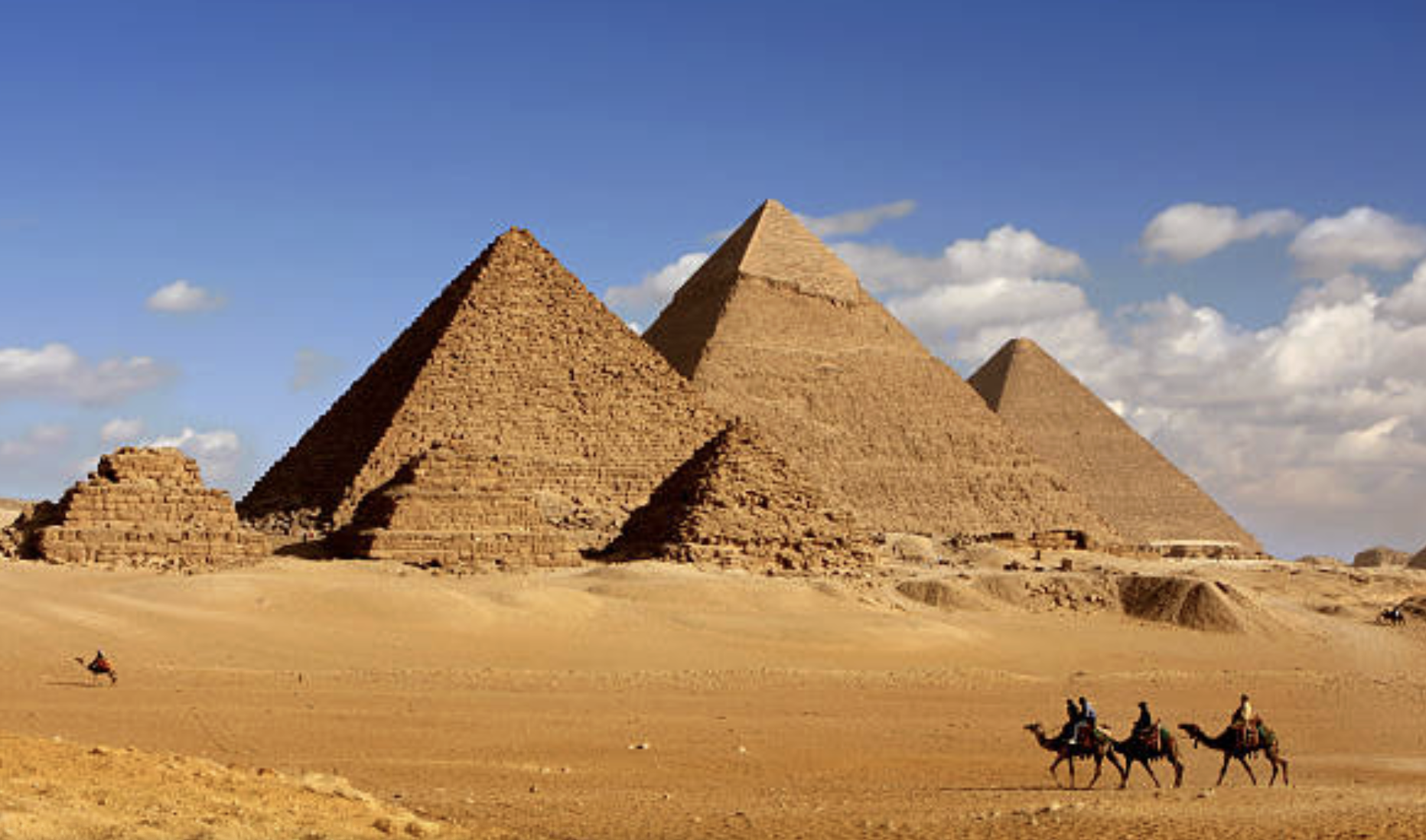
The age-old debate of whether humans alone were capable of monumental feats like constructing the pyramids without extraterrestrial assistance continues to spark curiosity. Each day brings new inquiries questioning the capabilities of ancient civilizations and the sophistication of their techniques. Let’s delve into this fascinating topic, highlighting the impressive achievements of our ancestors and the surprising misconceptions surrounding them.
Myth of Alien Assistance
It’s astounding how frequently the concept of extraterrestrial intervention arises in discussions about ancient construction. A visitor near the Nile posed the question of whether “star visitors” might have aided in the efforts to build these iconic structures. While such ideas might seem entertaining, they undermine the incredible capabilities of human beings. History reveals that organized groups of workers, well-fed and efficiently managed, were fully capable of achieving remarkable feats without needing the help of mythical beings from the cosmos.
What’s often overlooked is the sheer manpower and logistical planning that existed in ancient societies. Thousands of workers, with a clear goal and purpose, could achieve monumental tasks. The idea that they were unable to grasp basic construction techniques or mathematics is equally unfounded. In fact, much of our modern understanding of geometry was likely discovered through practical applications—like strategizing the best methods to lift and transport large stones.
Underestimating Ancient Wisdom
Many modern narratives suggest that ancient Egyptians spent their days engaged in frivolous worship and enigmatic riddles while overlooking their advanced knowledge and skills. When I showed a tourist evidence of ramps, pulleys, and meticulous labor records, it sparked a moment of reflection. However, the thought of extraterrestrials still hovered over the conversation. This tendency to attribute human ingenuity to aliens seems more comforting than acknowledging the hard work and intelligence of our predecessors.
One common remark I hear is that people can’t believe such monumental structures could be created by humans. This notion not only undermines ancient civilizations but also insults the qualities inherent in human perseverance and creativity. It’s worth noting that humans have also sustained more mundane yet significant achievements like taxation, organized warfare, and even the invention of raisins. Clearly, if we can manage such a range of activities, constructing pyramids is well within our capabilities.
The Workers’ Perspective
Imagine dedicating decades of your life to building a structure under the sweltering sun, only for future generations to dismiss your work as somehow too extraordinary to be human. The workers who toiled on the pyramids would be justifiably frustrated by the suggestion that extraterrestrial beings had a hand in their accomplishments. If we accept that these civilizations had advanced tools and techniques, it leads us to question why, if aliens had superior technology, they wouldn’t address practical concerns like climate control or ergonomic furniture instead of just pyramids.
As I prepare to continue supervising an entirely human crew using entirely human tools to construct yet another monumental structure, I reflect on the challenges we face—not just in building but also in overcoming the misconceptions that surround our history. While the pyramids were created through sheer human determination and ingenuity, some will no doubt still attribute their existence to cosmic interventions, missing the real story of human accomplishment that lies within these ancient stones.
In conclusion, the idea that extraterrestrials played a role in constructing the pyramids serves to diminish the rich legacy of human innovation and endurance. Our ancestors were highly capable and developed advanced techniques through trial and error, hard work, and collective effort. Next time the conversation turns to the pyramids, let’s celebrate the brilliance of human achievement rather than resorting to fantastical explanations.