
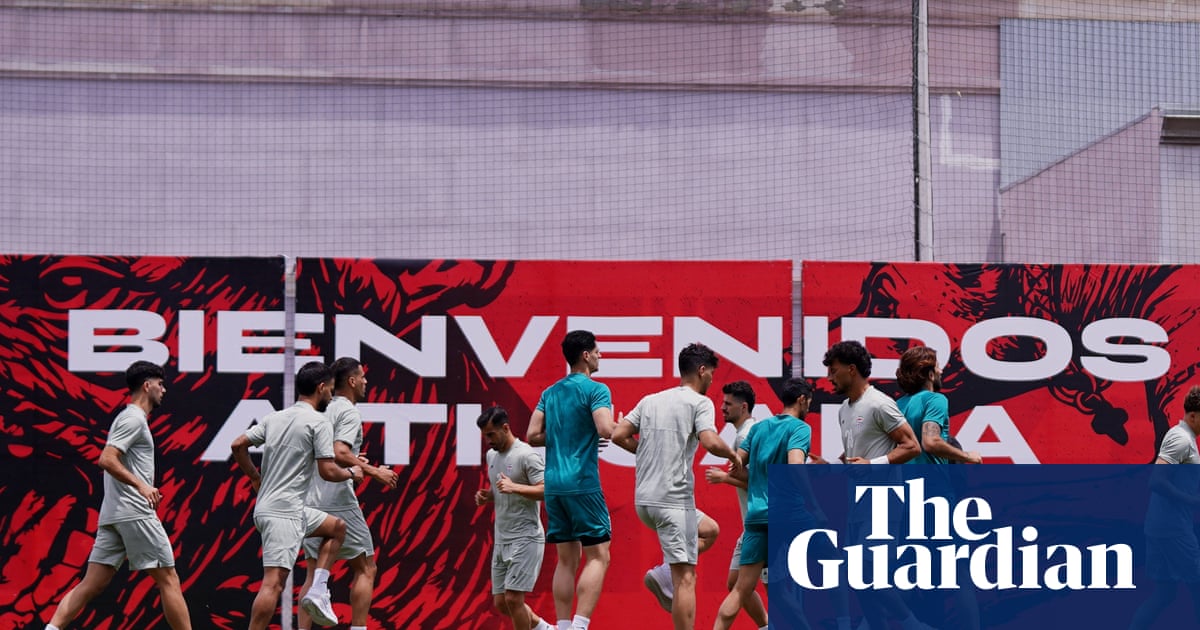
Open-top vehicles with armed personnel patrolled outside the Estadio Caliente in Tijuana, Mexico, where the Iranian national football team is currently based for the World Cup. This electric atmosphere carries a degree of tension, with security heightened due to the geopolitical climate surrounding Iran. The stadium, set against an urban backdrop filled with cars and haze, has become a temporary haven for a team thrust into a complex global narrative.
### The Unconventional Training Grounds
Originally, the Iranian team was slated to stay at the Kino Sports Complex in Tucson, Arizona, a premier facility designed for professional athletes. However, plans shifted dramatically after violent escalations involving the U.S. and Israel that have led to significant political upheaval in Iran. The Iran national team found itself redirected to Tijuana, a choice that reflects the turmoil back home and the logistics of international travel under strained conditions. This move came with little warning, compelling Club Tijuana staff to swiftly prepare for the team’s arrival.
The urgency became apparent just two weeks prior to their arrival when FIFA informed the club of the changes. Club Tijuana, working around the clock with limited resources, had to convert its single natural grass pitch into a suitable training ground for one of Asia’s premier football teams. Security protocols have tightened, with strict access controls implemented at their training facility, all designed to safeguard the players amidst heightened geopolitical tensions.
### The Warm Welcome from Locals
While security concerns dominate the narrative, the local Mexican population has warmly embraced the Iranian players. Club Tijuana staff have gone the distance to ensure that the Iranian squad feels welcome; banners reading “Iranian Cheetahs, welcome to Tijuana” greet them in Farsi. Fans have also shown enthusiasm, gathering outside the team’s hotel to offer support, as evidenced by their cheerful send-offs during training sessions.
Some local supporters have expressed disapproval of U.S. actions regarding Iran, reflecting broader sentiments that resonate within the community. This camaraderie serves as a noteworthy contrast to the strained relations at the political level, showcasing the unity that sports can foster even in divisive times.
### Navigating Pressures Amid Uncertainty
As the Iranian team prepares for their upcoming games, significant logistical challenges still loom. They will head to Los Angeles for FIFA-mandated press events but will do so missing a substantial portion of their support staff, including the media operations team. This absence raises concerns—who will manage press communications, especially after the team’s first match against New Zealand?
The team’s representatives may face scrutiny as political pressure mounts. Players are reportedly refraining from speaking to the media, aware that any statement could be politicized back home. The Iranian authorities closely monitor how the team is perceived, making it a delicate balancing act for players who just want to focus on football.
### The Quest for Normalcy
Despite the surrounding pressures, the Iranian players continue to train diligently. Their focus was recently pivoted towards a lighter training session following a victory against Club Tijuana’s U-21 team. With their international status increasingly isolated, competitive opportunities have dwindled, pressuring the team to make the most of limited friendly matches.
Previously, during the World Cup in Qatar, the Iranian fans expressed their discontent over local conditions, using the platform to voice societal issues. Although this time the environment might lack the same vocal protests, the team’s internal dynamics reflect significant political divides among their supporters. This complex situation casts a shadow over their participation, emphasizing how political and cultural sentiments intertwine with sports.
### Conclusion
Ultimately, as the Iranian national team navigates their World Cup journey, they tread through a landscape filled with implications that go beyond the pitch. From their unconventional training location to fluctuating fan support, every factor underscores how international football frequently intersects with geopolitical realities. What remains evident is the love for the game—a sentiment shared by players and spectators alike—amid vastly differing viewpoints on the surrounding crises. The resilience of these players serves as a testament to the unifying power of sports, even as they grapple with the barriers imposed by broader political currents.