
In the realm of political news, the recent developments involving President Trump and Iran’s negotiations have sparked intense discussions and varying opinions.
Trump’s Claim of a Major Settlement with Iran
President Trump recently stated that he has negotiated a significant agreement with Iran, though he clarified that it is still “subject to finalization.” This announcement comes amidst ongoing tensions and the complexities of U.S.-Iran relations. Many political commentators have scrutinized this claim, questioning the feasibility and authenticity of such a settlement. The echoes of skepticism surrounding Trump’s assertions are not unfounded, considering historical tensions and diplomatic adversities. Observers are keen to see how this plays out and whether it will lead to any substantial change in the geopolitical landscape.
Reactions from Political Figures
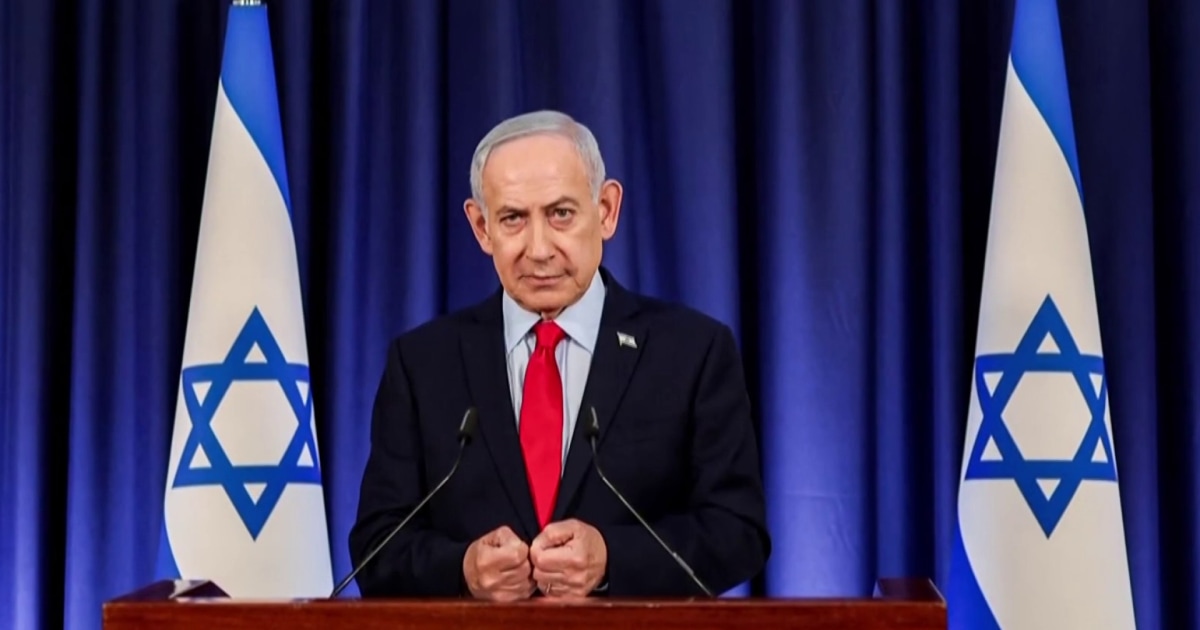
Various political figures have weighed in on Trump’s statement. Israel’s Prime Minister Netanyahu, for instance, emphasized that Israel is “not a party” to any U.S.-Iran agreement, signaling Israel’s staunch opposition to negotiations that could strengthen Iran’s position in the region. This illustrates the delicate balance of power in the Middle East, as countries like Israel remain wary of Iran’s influence and alleged nuclear ambitions. The juxtaposition of Trump’s claims against Netanyahu’s concerns highlights the intricate web of alliances and enmities defining Middle Eastern geopolitics.
The Implications for U.S. Domestic Policy
Domestically, reactions to Trump’s claims are divided. Supporters argue that any attempt to negotiate peace is positive, while detractors remain concerned about potential repercussions. Critics raise alarm over possible implications for American security and foreign policy integrity. The narrative indicates a growing fracture within the Republican Party regarding Trump’s approach, as some members feel the need for a more cautious and strategic stance towards Iran. The fallout from this situation could resonate through upcoming elections, especially as candidates navigate voter sentiment around foreign policy and national security.
Looking Ahead: The Future of U.S.-Iran Relations
The ongoing dialogue between the U.S. and Iran is critical, not just for the two nations involved but for global stability at large. As more information surfaces and negotiations progress, analysts will be observing carefully to decipher the potential outcomes. The repercussions of any finalized agreements will likely reverberate through different political arenas, influencing not just domestic policy but also international relations. The unfolding dynamics will be pivotal in shaping the future of U.S.-Iran relations and how they impact global politics.
In short, as President Trump claims to have brokered a significant deal with Iran, the political landscape remains fraught with uncertainty and skepticism. Close attention to the evolving situation will be essential for those engaged in global affairs and understanding the ripple effects it may cause in both domestic and international arenas.