
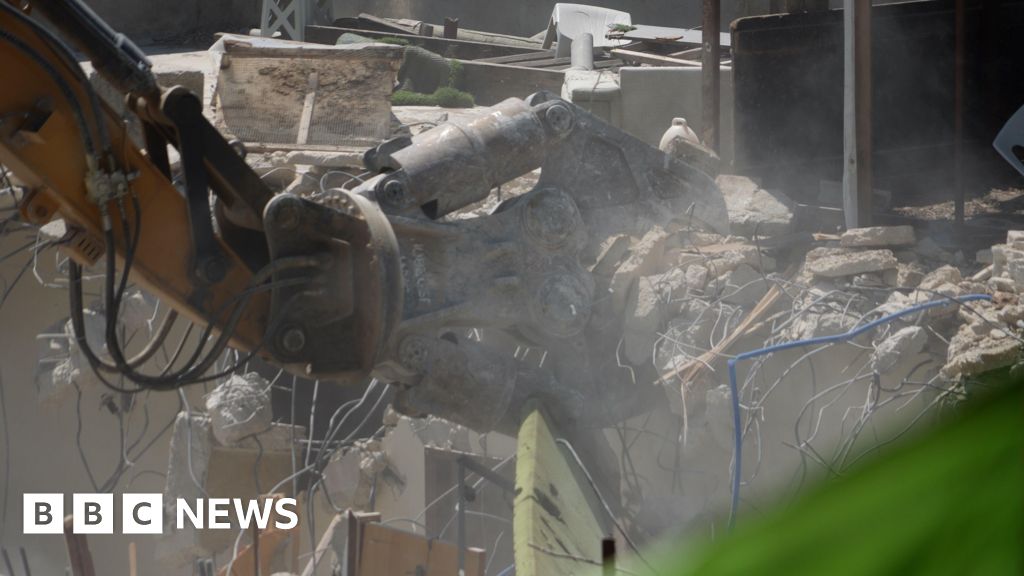
Jerusalem stands as a significant city for Jews, Christians, and Muslims alike, often regarded as the focal point of the Israel-Palestinian conflict. Its long history is marked by deep-seated tensions and competing territorial claims, making it one of the most contested cities in the world. The situation escalated in 1967 when Israel took control of East Jerusalem, including several sacred sites, during the Six-Day War. This annexation, however, remains a contentious issue, as it is not acknowledged by the majority of nations.
Historical Context of Jerusalem’s Significance
Historically, Jerusalem has been a city of great importance to various religious groups. For Jews, it is the site of the ancient Temple and thus central to their faith and identity. Christians revere it as the place where key events in the life of Jesus Christ unfolded. For Muslims, the Al-Aqsa Mosque and the Dome of the Rock are pivotal, marking it as a location of immense spiritual significance. These multifaceted religious connections have contributed to the city’s status as a flashpoint for conflict.
The geopolitical landscape shifted dramatically in 1967 when Israel captured East Jerusalem during the Six-Day War. This event not only altered the physical borders but also intensified the emotional attachments to the city. Soon after the war, the Israeli government declared Jerusalem as its undivided capital, a move that was met with international disapproval. The annexation of East Jerusalem has significant implications, as it fundamentally affects the living conditions of Palestinians who reside there and their access to essential resources and services.
The Ongoing Conflict Over Claims to Land
The ongoing dispute over Jerusalem is not merely a political issue; it is also deeply personal for many individuals who hold ties to the city. Palestinians view East Jerusalem as the capital of a future Palestinian state. On the other hand, Israel firmly holds its claim to the entire city as central to its national identity. This duality complicates any potential negotiations between the two groups, creating an impasse that has persisted for decades.
The international community remains divided on the status of Jerusalem, with some countries recognizing it as Israel’s capital while others advocate for a negotiated solution that respects both parties’ claims. The lack of consensus on this issue only exacerbates tensions on the ground. Daily life in Jerusalem reflects this strife, with instances of violence and protests becoming increasingly common.
Path Forward: Dialogue and Understanding
Amidst the turmoil, the importance of dialogue cannot be overstated. Finding common ground is crucial for both sides to reach a satisfactory resolution. Peace initiatives often emphasize the need for direct conversations between Israeli and Palestinian communities, aiming to foster understanding of each other’s narratives. Many local organizations are actively engaged in promoting coexistence, emphasizing shared interests rather than divisive narratives.
In conclusion, Jerusalem’s significance transcends mere geographical boundaries; it encapsulates a complex interplay of history, religion, and politics. Understanding this fabric is essential for anyone looking to grasp the full dimensions of the Israel-Palestinian conflict. The future of Jerusalem hangs in the balance, awaiting a resolution that respects the diverse claims and aspirations of all its inhabitants while working towards peace and mutual recognition.