
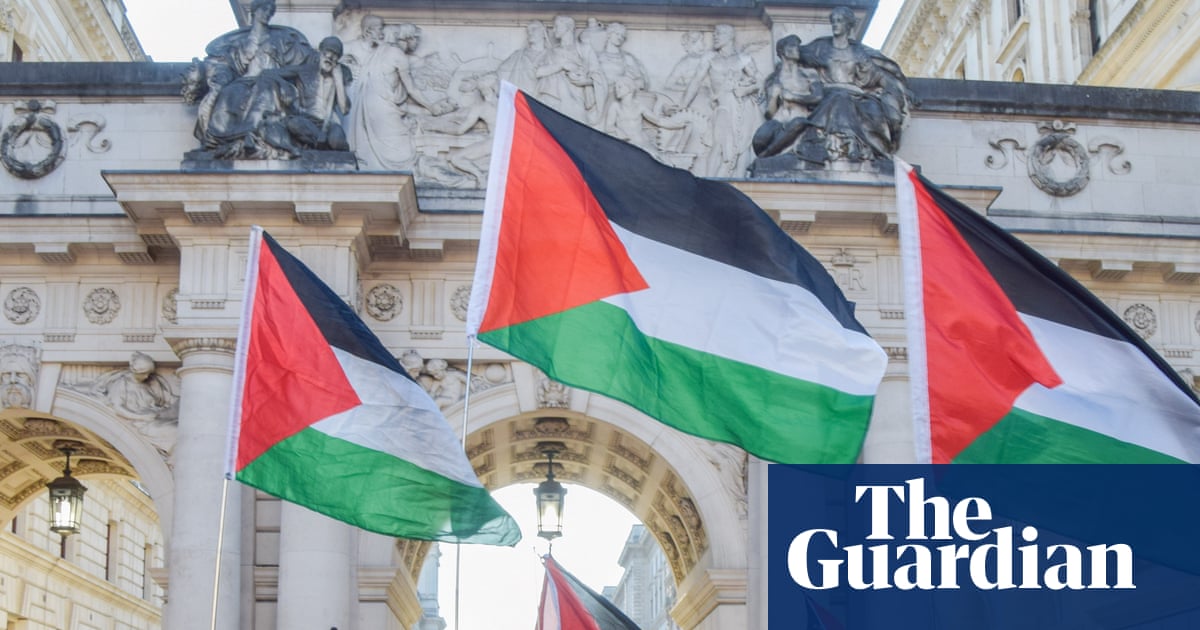
Pro-Palestine activists are sensing a potential shift in the Labour Party’s stance regarding the ongoing crisis in the Middle East. This change could lead to a more stringent policy towards Israel, especially as local elections reveal growing support for progressive changes within the party.
Growing Pressure on Labour
Recent developments, including the rise of the Green Party and new polling data, indicate that Labour members are increasingly backing a comprehensive ban on arms shipments to Israel. This shift comes on the heels of Labour’s challenges, including high-profile court defeats and the categorization of Palestine Action as a terrorist organization. Activists are optimistic that with key leaders like Keir Starmer potentially stepping away from their roles, the party may lean toward a more assertive pro-Palestinian agenda.
Both Wes Streeting and Andy Burnham, the leading candidates for Labour’s leadership, have previously expressed the need for the party to take a stronger stance on Palestine. While neither candidate has labeled Israel’s actions as genocide, Streeting has made strong accusations against Israel, including claims of war crimes. He even presented a dossier from British medical professionals working in Palestine to the Cabinet, sparking controversy within the party.
The Existing Government Response
The Labour government has made some strides in addressing the issue, including the partial suspension of arms exports to Israel in September 2024 and formal recognition of Palestine as a state the following year. However, many activists feel these measures are insufficient. Brian Brivati, a significant figure in the British Palestine Project, believes that a leadership election could catalyze a much-needed transformation in Labour’s approach to Palestinian issues. He emphasizes that the recent shifts within the party’s leadership structure could align with a broader public sentiment advocating for change.
Emily Thornberry, the chair of the Foreign Affairs Select Committee, publicly lamented Labour’s shortcomings in supporting Palestinians, asserting that the government has lost its momentum in securing peace. She highlighted the urgency of addressing the humanitarian crisis in Gaza, where countless lives have been lost amidst ongoing violence. Additionally, the lack of effective initiatives from the “Board of Peace” aimed at facilitating Palestinian self-rule has exacerbated frustrations among activists and party members alike.
Calls for Action and Change
Activists and party members are urging Labour to adopt stronger measures, such as imposing a complete trade ban or effectively confronting illegal settlements. This sentiment resonates with many Labour supporters, as evidenced by recent polls showing overwhelming backing for these changes among party members. Yet, the government’s recent approach has primarily involved targeting specific settler groups rather than implementing broader, systemic changes.
Vincent Fean, a former British consul general in Jerusalem, asserts that Europe has relinquished some diplomatic control regarding the Palestinian issue and calls for Britain to reclaim this role. Activists express concern that the current Labour leadership under Starmer has failed to adequately address Gaza’s escalating crisis, which has become a focal point for a new generation of advocates.
As discussions intensify among Labour members, the question remains whether the party will seize this moment for reform or continue down a path of inaction. With the political landscape evolving rapidly, this is a pivotal time for both Labour and the broader pro-Palestinian movement in the UK. A meaningful shift in policy could not only redefine Labour’s stance but also potentially reshape the dynamics of the Middle Eastern conflict.