
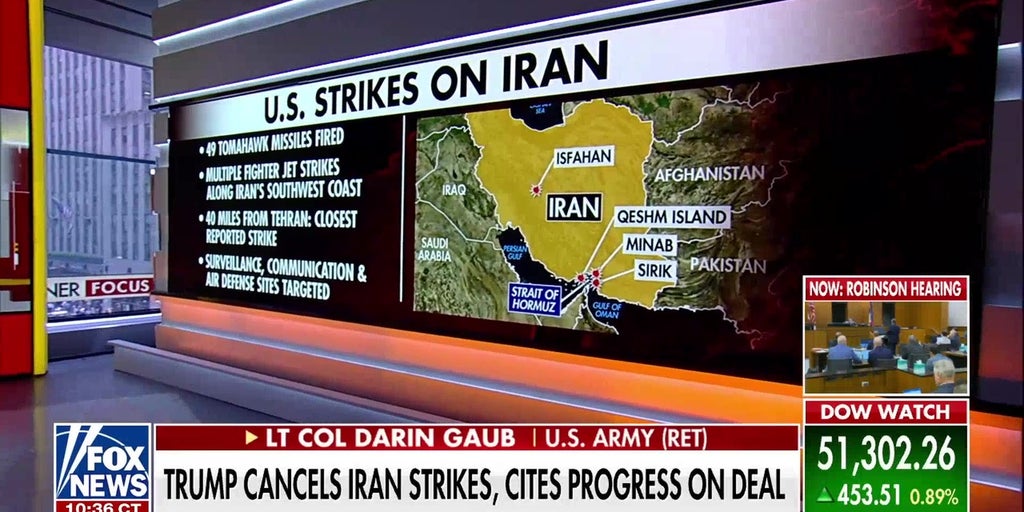
In the complex landscape of international relations, Iran’s negotiation tactics have come under scrutiny. Retired U.S. Army Lieutenant Colonel Darin Gaub offers a critical analysis of these methods, emphasizing the challenges posed by Iran’s approach to diplomacy.
The Nature of Iran’s Negotiation Tactics
According to Gaub, engaging in negotiations with Iran is often fraught with predictable delays and a degree of dishonesty. He likens the process to a “slow-motion car wreck,” where each move is deliberate yet chaotic. These tactics are not merely strategic; they reflect deeper issues within Iran, where prolonged economic hardship fuels a need for both domestic and international maneuvering. As such, any agreements achieved through negotiation can be viewed through a lens of skepticism, raising serious concerns regarding their reliability.
The Impact of Economic Conditions on Negotiations
One of the key factors driving Iran’s negotiation strategy is its faltering economy. Gaub points out that the country is in a state of economic decline, which influences its behavior on the international stage. Faced with these dire economic circumstances, Iran may prioritize short-term gains in negotiations while displaying little intention to adhere to the commitments made. This instability can lead to a situation where any agreements are simply pieces of paper, likely to be discarded when convenient.
Challenges of Enforcement and Oversight
Gaub warns that for any potential agreement with Iran to be effective, there must be stringent enforcement and oversight mechanisms in place. Without these structures, it becomes increasingly likely that Iran will not comply with the terms laid out in any negotiations. The absence of credible enforcement diminishes the incentive for Iran to adhere to its commitments, rendering any accord essentially ineffective. In this context, the idea of a trustworthy deal becomes highly questionable.
The Importance of Verification Mechanisms
In addition to enforcement, robust verification mechanisms should be implemented as part of any proposed deal with Iran. Without reliable monitoring, the international community risks being misled about Iran’s nuclear ambitions and other strategic intentions. Gaub emphasizes that any oversight must be meticulous and transparently executed to ensure accountability. The complexities of verifying compliance highlight just how fragile any potential agreements with Iran can be.
In summary, Lieutenant Colonel Darin Gaub offers valuable insights into the pitfalls of negotiating with Iran. His analysis underlines the necessity for vigilance and a pragmatic approach, particularly in the face of Iran’s deceptive strategies and challenging economic realities. As the discourse surrounding Iran continues, the need for effective enforcement and verification will become crucial in shaping the outcome of any diplomatic endeavors. Negotiators must be well-prepared to navigate the intricate web of Iran’s tactics to avoid falling into the trap of futile agreements.