
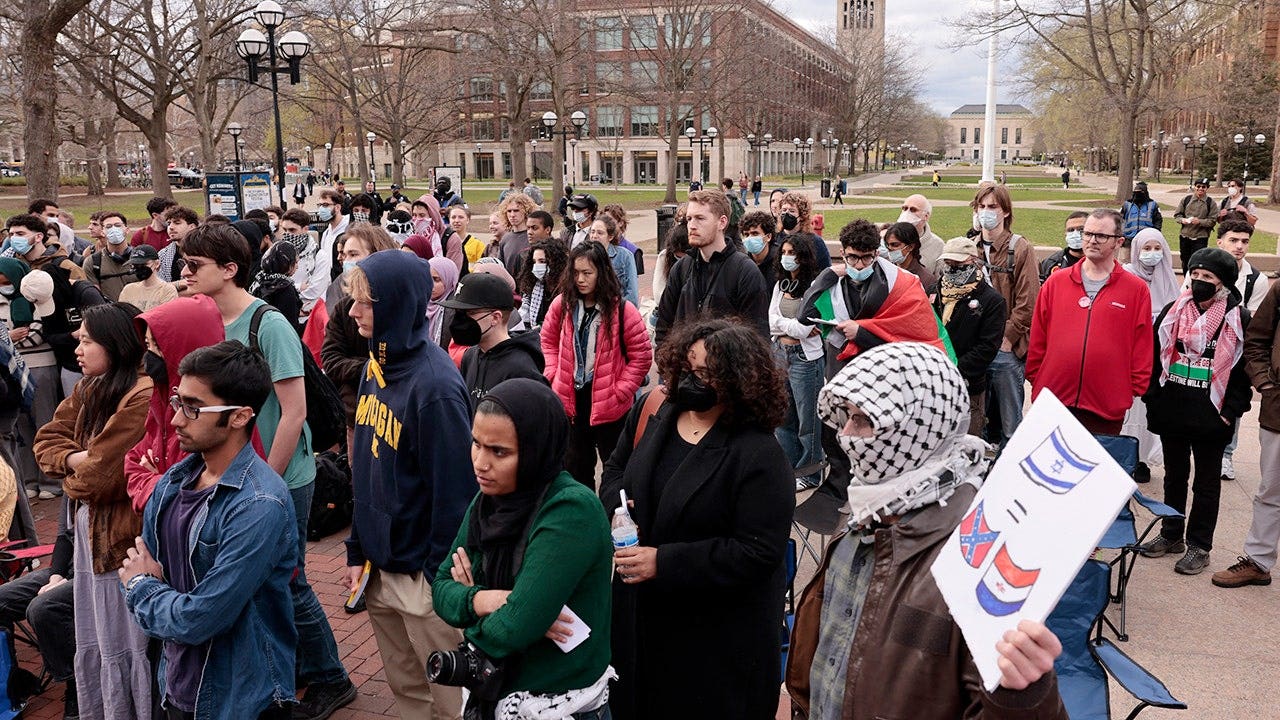
A group of college activists from the University of Michigan is facing serious legal troubles after they were arrested on charges of plotting to intimidate university officials due to their stance on Israel. This incident raises important questions about free speech, activism, and the limits of protest.
Details of the Charges
The activists—Zainab Hakim (23), Paige Feyock (26), Jonathan Zou (22), and Colin Weger (24)—were recently released on bond after pleading not guilty. They each face multiple charges related to conspiracy and threats against university leaders, which they allegedly carried out in response to the administration’s refusal to divest from companies connected to Israel. The FBI has stated that this group represents a larger trend of violent activism that seeks to intimidate individuals they perceive as supporting Israeli policies.
During a recent court appearance, Judge Anthony Patti expressed concerns about public safety and potential flight risks associated with these defendants. The court mandated strict conditions for their release, including surrendering passports, GPS tracking, and no contact with victims or co-defendants.
Evidence of Intimidation
The indictment highlights a series of alarming actions taken by these activists, which included public threats, vandalism, and even instances of physical intimidation. For example, a photo released by the U.S. Attorney’s Office shows fake corpses wrapped in sheets placed outside the home of University Regent Sarah Hubbard. This incident exemplifies the aggressive measures the group allegedly employed to further their agenda. Prosecutors have detailed a campaign of vandalism where threatening messages appeared on university buildings, coinciding with significant anniversaries related to the Israel-Palestine conflict.
Additionally, the activists are accused of assorted intimidation tactics, such as obstructing entryways, vandalizing homes of university officials, and even discussing potential violent crimes against individuals linked to the university’s policies. Such behavior has raised a red flag not only for community safety but for the prevailing norms of acceptable activism.
Legal Consequences and Free Speech Implications
The legal ramifications can be severe for those involved, especially if they are convicted of the charges they face, which could lead to up to 20 years in prison for the most serious accusations. Free speech advocates are closely monitoring the case, given its implications for collective protests and freedom of expression, particularly in an academic environment. The judge underscored the balance that must be maintained between the right to protest and the need for public safety during the hearings.
As the case unfolds, it may set a precedent for how activist movements are managed in campuses across the country. The discussion of accountability and the range of acceptable protest strategies in activism is more critical than ever.
In conclusion, the tensions surrounding this case reflect broader societal questions related to activism, free speech, and safety. As the legal processes proceed, both the accused and the broader community will be watching closely. This incident highlights the necessity of maintaining open dialogue and finding constructive methods for addressing conflicts, especially those with far-reaching political implications.