
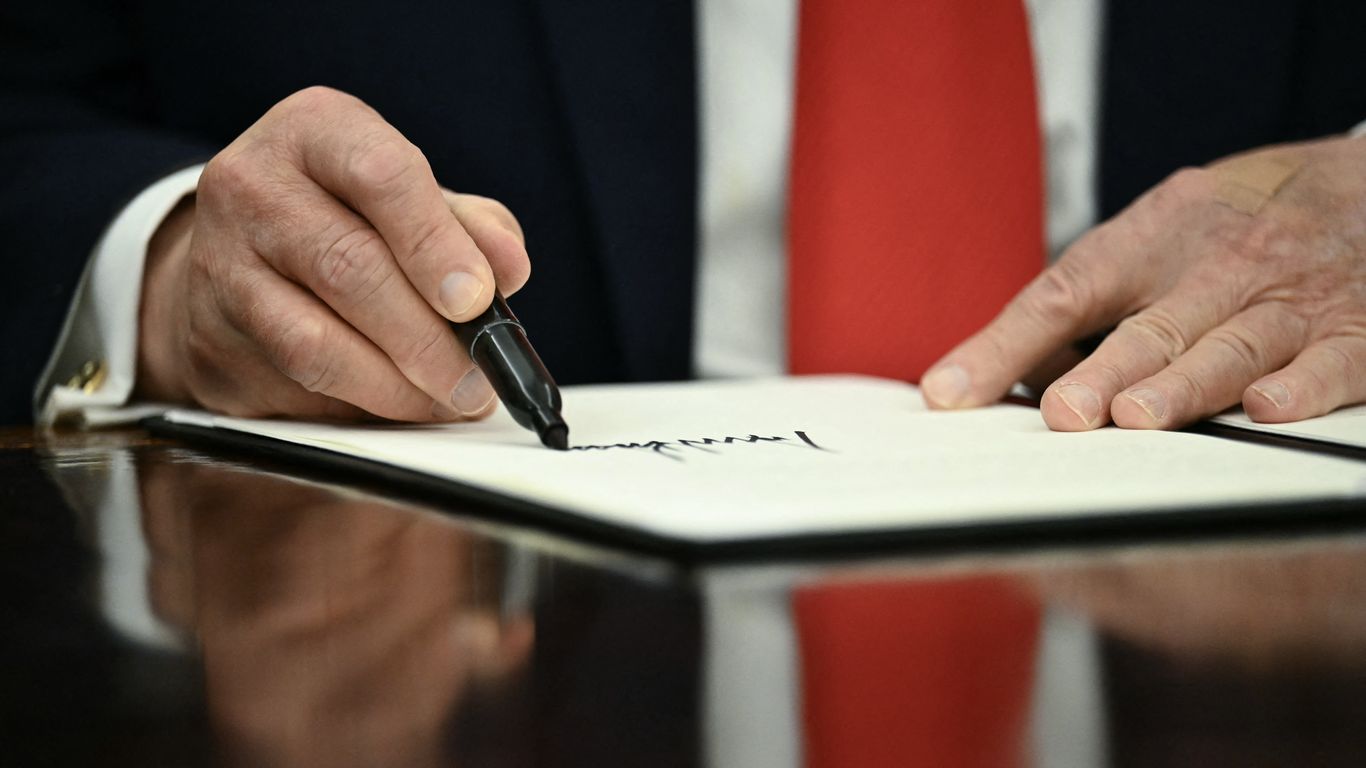
The recent agreement in the region is poised to significantly alter the current geopolitical landscape, aiming to bring an end to ongoing conflicts and pave the way for a more stable energy market globally. This development could have far-reaching implications for international relations and economic stability.
Impact on Regional Peace
This newfound agreement is crucial for achieving lasting peace in a region that has experienced prolonged instability. By fostering dialogue and cooperation among previously conflicting parties, the deal serves as a groundwork for a more united approach to governance and security. As factions commit to cease hostilities, local populations may finally see the benefits of peace, including improved living conditions and enhanced social services. Moreover, success in this area can encourage other regions dealing with similar conflicts to pursue similar diplomatic solutions, ultimately fostering a culture of peace.
Stabilizing Global Energy Markets
One of the most significant outcomes of this agreement is its potential to stabilize global energy markets. The region has historically been a key player in the energy sector, and prolonged conflicts have often led to fluctuations in oil prices and supply chain disruptions. With peace restored, energy production and transportation can resume without the specter of conflict. This stabilization can help achieve fair pricing for consumers and businesses worldwide. Additionally, it may encourage investment in energy infrastructure, allowing countries to diversify their energy portfolios and improve energy security.
Long-Term Economic Implications
Long-term, the agreement may usher in economic revitalization for the region. With peace as a foundation, governments can focus on developing projects that improve infrastructure, create jobs, and elevate economic conditions. Increased foreign investment is likely, as stability makes this area more attractive to global companies. In turn, this can lead to technology transfer, skills development, and a growing middle class. The economic benefits are expected to resonate beyond national boundaries, positively affecting international trade and investment flows.
Conclusion: A Turning Point
In summary, this important agreement marks a potential turning point for the region and beyond. By addressing underlying issues that have fueled conflict and providing a framework for cooperation, it not only promises peace but also aims to stabilize the global energy market and catalyze economic growth. The world will be watching closely as the unfolding developments will determine the efficacy of this historic deal and the future trajectory of both regional and global stability.