
In recent events surrounding the Sudanese civil conflict, the defection of notable figures from the Rapid Support Forces (RSF) has captured international attention. The entry of Al-Nour Ahmed Adam, also known as Al-Nour Al-Qubba, into the Sudanese Armed Forces (SAF) was particularly significant, marking one of the highest-profile shifts in this ongoing struggle. This move was soon followed by additional defections, highlighting the evolving dynamics within military factions in the country.
Military Control and Territorial Divisions
The landscape of Sudan’s military control is sharply divided. While the SAF maintains its grip on strategic areas such as Khartoum and Port Sudan, the RSF continues to assert dominance in western regions like Darfur, especially around El Fasher. This fragmentation indicates a complex civil war where power struggles determine control over territory, complicating the prospects for a unified approach to peace. Al-Nour Al-Qubba’s defection is noteworthy not only due to its timing but also because it’s indicative of mounting pressures within the RSF’s command structure.
This trend of high-ranking defections raises questions about loyalty, leadership, and morale within the RSF. For instance, the recent emergence of another RSF commander, Ali Rizq Allah, who also crossed over to the SAF, signals potential instability within the RSF ranks. Such shifts may reveal underlying tensions that could impact the balance of power within the ongoing conflict.
The Question of Impunity
The recruitment efforts by the SAF under General Abdel Fattah al-Burhan have included promises of amnesty for RSF members who agree to disarm and integrate into the regular military. However, human rights organizations, including Human Rights Watch, stress the necessity of accountability for war crimes and human rights violations, regardless of which side individuals find themselves on. These organizations have firmly stated that individuals associated with severe international crimes should not evade justice merely by changing affiliations.
Mohamed Osman, a researcher with Human Rights Watch, emphasized that true justice must be pursued for the Sudanese people who have suffered immense abuses during the conflict. Analysts suggest that the rising number of defections may reflect not only personal discontent but also a deeper fragmentation within the RSF as intra-group rivalries grow.
Regional and International Dynamics
The war in Sudan unfolds amid substantial international involvement, significantly affecting its progression. The RSF has reportedly received support from various foreign entities, including nations like the United Arab Emirates (UAE), Ethiopia, and Libya. In contrast, the SAF has garnered backing from Egypt and Saudi Arabia, among others. Recent disclosures point towards the UAE providing advanced military equipment to the RSF, highlighting the complexities of external influences that prolong the conflict.
Reports even suggest the presence of Colombian mercenaries fighting alongside RSF troops, raising further ethical concerns about foreign involvement in the war. Human Rights Watch has documented how recruitment agencies facilitated this support, using social media to track the movements of these fighters. This highlights a multifaceted conflict that extends beyond Sudan’s borders, where foreign alliances play a crucial role in sustaining military operations.
The Human Cost of Conflict
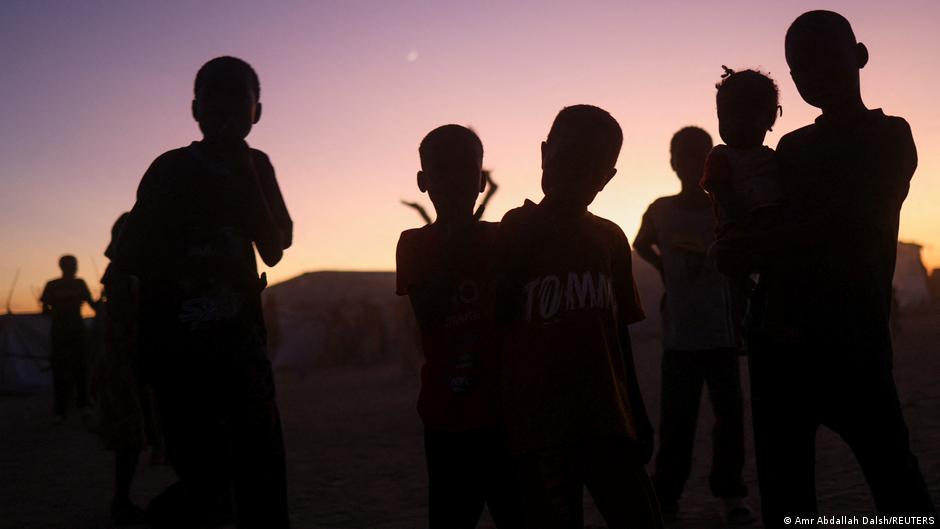
Amidst these military maneuvers and international politics, the human toll of the conflict continues to escalate. Civilian casualties, forced displacements, and humanitarian crises have reached alarming levels. The situation has prompted urgent responses from global humanitarian organizations, which now classify Sudan as confronting one of the most severe humanitarian emergencies worldwide. Reports indicate that millions face acute hunger and displacement as violence grips the nation.
To summarize, while military defections and geopolitical influences shape the Sudanese civil war’s narrative, the real impact is deeply human. Ensuring accountability and addressing humanitarian needs remain critical in navigating this complicated landscape and achieving long-term peace.