
In the midst of the ongoing civil war in Sudan, a notable event occurred earlier this year when Abdel Fattah al-Burhan, the military leader, welcomed Al-Nour Ahmed Adam—commonly known as Al-Nour Al-Qubba—into the Sudanese Armed Forces (SAF). Al-Nour’s defection marks a significant shift within the conflict, as he was previously a senior commander of the Rapid Support Forces (RSF) militia. This change in allegiance is pivotal, considering the power dynamics between the SAF, which governs urban centers such as Khartoum and Port Sudan, and the RSF, which holds strong influence in rural areas, especially in the conflict-ridden Darfur region.
High-Profile Defections Shifting the Landscape
Al-Nour Al-Qubba’s defection to the SAF is not an isolated incident. Shortly after his move, another notable RSF commander, Ali Rizq Allah (also referred to as Al-Savannah), followed suit, further indicating potential fractures within the RSF’s leadership. International organizations like Human Rights Watch (HRW) have investigated potential war crimes during the siege of El Fasher, where the RSF has been implicated in severe human rights violations. The increasing number of defections suggests that internal conflicts are brewing within the RSF ranks, hinting at a possible decline of camaraderie among its leaders.
Experts analyzing these defections emphasize the notion of power shifting away from centralized command structures. According to the Armed Conflict Location & Event Data Project (ACLED), local allegiances appear to be superseding broader allegiances, leading to intensified competition for resources and influence within the RSF.
The Role of External Support in Sustaining the Conflict
Current dynamics reveal that both SAF and RSF have access to considerable external support, significantly complicating the resolution of the conflict. Countries like the UAE, Egypt, and Saudi Arabia are alleged to be backing the SAF, while RSF receives assistance from allies including Ethiopia and Chad. Reports suggest that extensive military resources, including advanced weaponry, are flowing into the hands of the RSF, primarily through UAE support. This external aid keeps the RSF operational despite the internal tensions that are evident in recent defections.
The assertion that overwhelming military backing from the UAE is prolonging the conflict has been supported by various human rights groups and analysts. Some contend that the current fighting could have reached an end if it weren’t for the external military supply chains fueling both sides of the war.
Colombian Mercenaries in the Sudanese Conflict
Recent investigations by HRW shed light on the involvement of Colombian mercenaries fighting alongside the RSF. This report outlines how these foreign fighters have been recruited and trained through a Colombian recruitment agency, allegedly under the direction of a UAE-based security firm. Such revelations raise concerns over the growing international dimensions of the conflict and the implications for civilian populations caught in the crossfire.
The recruitment of former Colombian military personnel is also striking, given their combat training and experience. Reports suggest that they were deployed to support the RSF in operations characterized by war crimes, highlighting the severe humanitarian impact on local populations.
The Humanitarian Crisis in Sudan
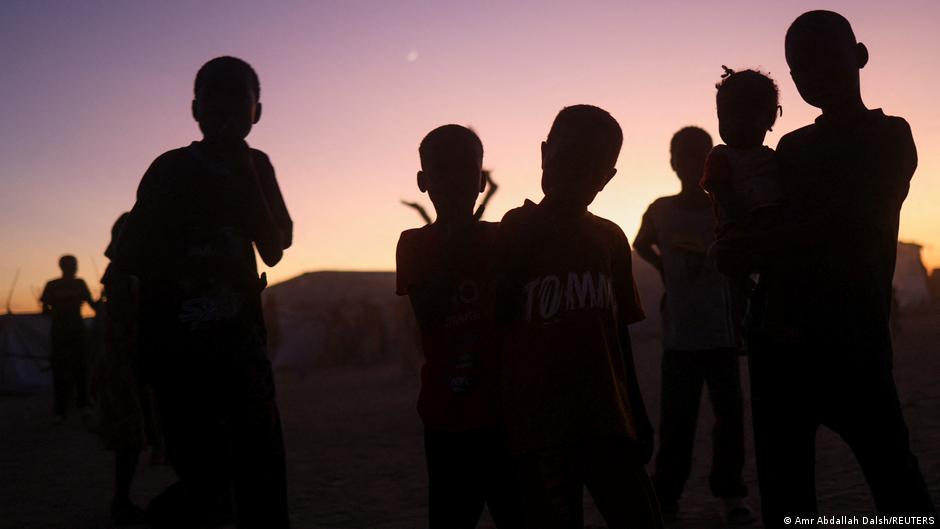
As the conflict continues, the humanitarian catastrophe in Sudan deepens. Current estimates indicate that around 12 million individuals are displaced within the country, while approximately 20 million face severe food insecurity. The violence, coupled with a lack of humanitarian aid access, has led to what the UN describes as one of the world’s largest and fastest-growing displacement crises.
Mass killings, severe violence, and widespread displacement all contribute to a grim outlook for the civilian population. Investigations point to the RSF’s role in these atrocities, raising alarms about possible genocide. With ongoing international inaction, the humanitarian situation remains desperate as it desperately cries out for intervention and support.