
The recent escalation in hostilities between Israel and Hezbollah has led to significant developments in southern Lebanon. On Sunday, the Israeli military announced the targeted assassination of a high-ranking Hezbollah military leader, marking a critical moment in the ongoing conflict.
Assassination of a Key Hezbollah Figure
According to an official statement from the Israeli army, Ali Musa Daqduq was killed in an airstrike near the Litani River. Identified as one of Hezbollah’s most notable commanders, Daqduq was allegedly overseeing the organization’s “Golan File,” which pertains to their military strategies in southern Syria. The operation reflects Israel’s ongoing efforts to curtail Hezbollah’s influence and operational capabilities in the region.
Impact of Continued Military Actions
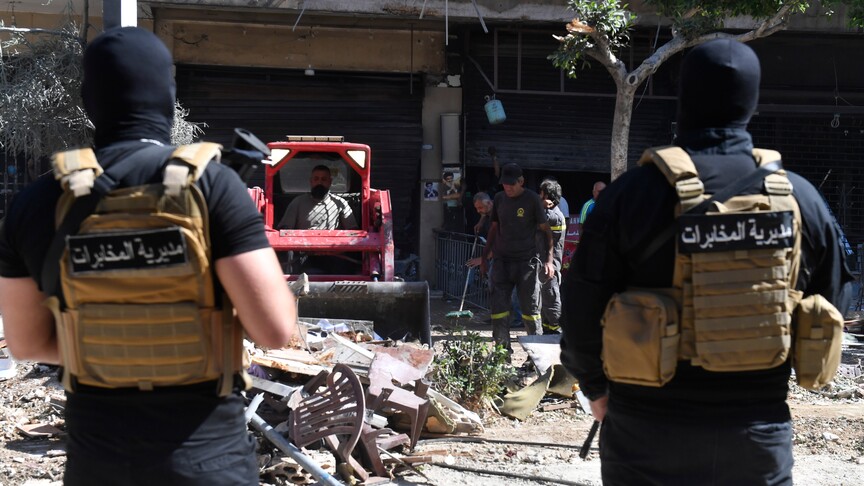
The Israeli military has intensified its bombing campaigns in Lebanon following a cross-border assault launched by Hezbollah on March 2. Reports indicate that these airstrikes have devastated numerous towns in southern Lebanon, leading to an extensive humanitarian crisis. As of now, Lebanese officials report nearly 3,800 fatalities, over 11,700 injuries, and the displacement of more than 1.5 million individuals since the onset of these attacks.
Hezbollah’s Response and Regional Fallout
While the Israeli military’s claims regarding Daqduq’s death remain unconfirmed by Hezbollah, the group’s silence might be telling in this complex regional landscape. The ongoing military engagements not only escalate tensions between these two entities but also risk drawing in neighboring countries and altering the geopolitical balance. The ramifications of such actions could lead to increased instability in an already volatile environment.
The Broader Implications for Lebanon and the Region
As the conflict unfolds, the humanitarian implications for Lebanon cannot be ignored. The high number of casualties and the significant displacement of civilians underscore the dire situation for many families caught in the crossfire. The international community watches closely, and pressure for a ceasefire or intervention may mount as conditions worsen.
In conclusion, the assassination of Ali Musa Daqduq represents another chapter in the complex saga between Israel and Hezbollah. As military activities escalate, both sides may be compelled to reassess their strategies, but the citizens of Lebanon continue to bear the brunt of this enduring conflict.