
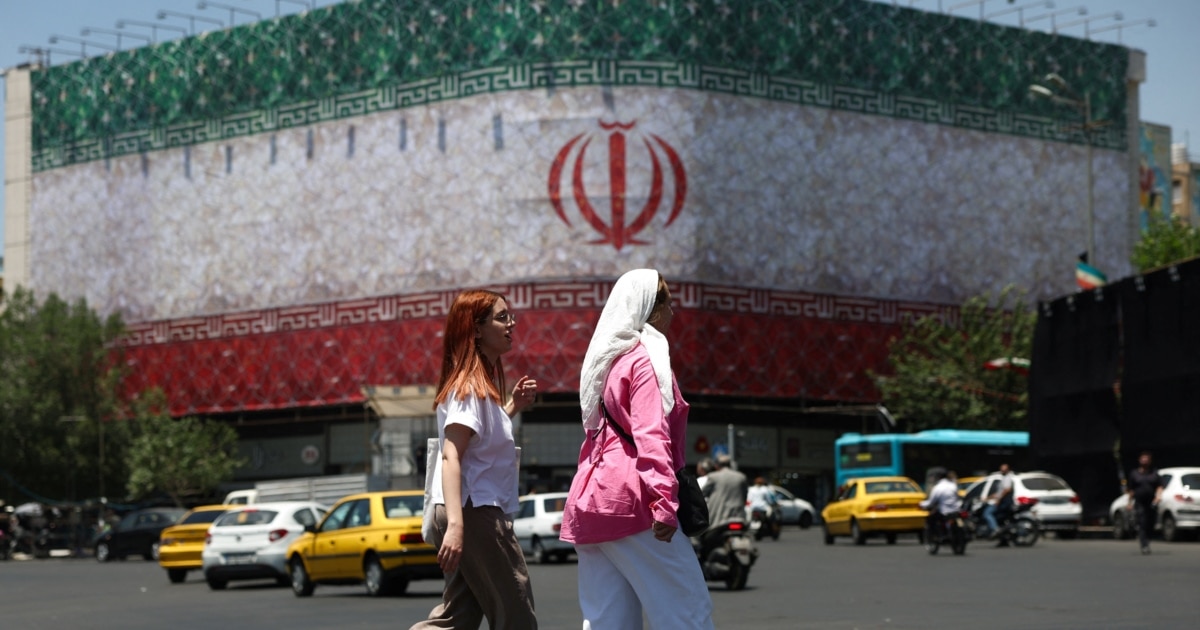
Qatari diplomats traveled to Tehran on June 14, seeking to finalize an agreement between the United States and Iran aimed at resolving a prolonged conflict. This diplomatic initiative follows several months of negotiations and comes in the wake of renewed Israeli attacks targeting Hezbollah, Iran’s ally in Lebanon, which may hinder the signing of the deal.
Leading up to this critical day, U.S. President Donald Trump announced on social media that an agreement was set to be signed, coinciding with his 80th birthday. He emphasized the deal’s significance by stating on Truth Social, “The Deal is scheduled to get signed tomorrow, and immediately after it is signed, the Hormuz Strait is OPEN TO ALL,” indicating a strategic shift in regional dynamics and a commitment to counter nuclear ambitions in Iran.
Prospects for a Historic Agreement
The optimism surrounding the potential deal was further enhanced by remarks from Pakistani Prime Minister Shehbaz Sharif, who indicated that Pakistan was prepared for an “electronic signing” followed by technical discussions in the week ahead. Qatar and Pakistan have played pivotal mediation roles, striving to end the confrontation that began with U.S. and Israeli strikes on Iran on February 28. The urgency of these discussions reflects the broader geopolitical implications that an agreement would entail.
Despite this positive atmosphere, Iran’s Foreign Ministry tempered expectations, downplaying the likelihood of a June 14 signing. However, officials suggested that an agreement could still materialize in the days to come. Reports have surfaced concerning the contents of a memorandum of understanding, revealing that Iran would agree to open the Strait of Hormuz in exchange for the U.S. lifting its naval blockade on Iranian ports. Additionally, the U.S. would release $25 billion in frozen Iranian assets and suspend sanctions until a final agreement is achieved.
Security Concerns Amid Negotiations
The fragile progress in negotiations faced an immediate threat as tensions escalated between Israel and Hezbollah. A series of exchanges occurred, with Hezbollah, a militant group often classified as a terrorist organization by the U.S., retaliating against Israeli actions in southern Lebanon. Iran’s parliamentary speaker, Mohammad Baqer Qalibaf, condemned the U.S.’s role in these attacks, asserting that Israel’s actions underscored America’s inability or unwillingness to uphold its commitments.
Israeli leadership responded firmly, stating that the nation would not accept any hostility against its territory. The exchange of fire was prompted by Hezbollah launching projectiles into northern Israel, prompting swift retaliation. This cycle of violence raises significant concerns about the implications for the ongoing diplomatic efforts, potentially complicating negotiations that many hope will usher in a more stable era in the region.
As discussions continue, leaders from both the U.S. and Iran must navigate these dangerous dynamics judiciously. Trump’s comments highlighted the concern that escalating confrontations risk derailing what could be a landmark agreement. He acknowledged Israel’s right to defend itself but also noted that the retaliatory measures seemed disproportionate, thus urging restraint on all sides.
Amidst this volatile backdrop, the negotiating timeline set forth by both nations aims for a comprehensive agreement within 60 days. Should the situation further deteriorate, however, the hopes for peace could dissipate, leaving both countries and their allies in a precarious position. The coming days will be critical as the world watches to see if diplomacy can prevail over conflict.