
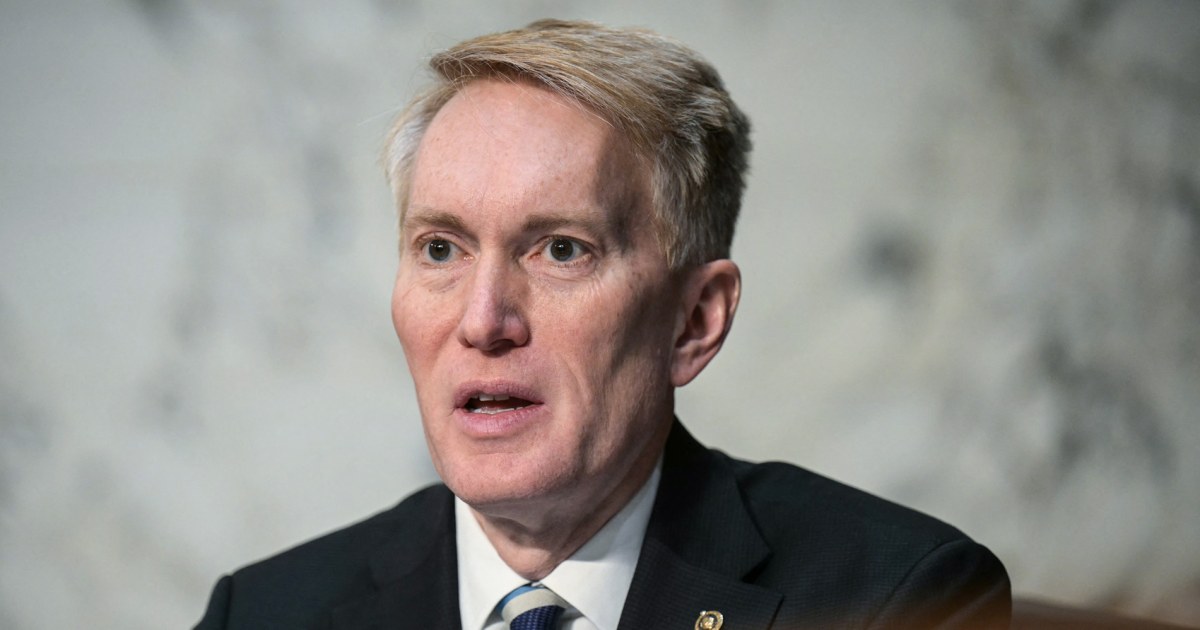
Senator James Lankford, a Republican from Oklahoma, emphasized the importance of Congress ratifying any potential deal to conclude the longstanding conflict involving Iran. During an appearance on NBC’s “Meet the Press,” Lankford asserted that congressional approval would provide a more enduring and stable resolution to the issues at hand.
The Need for Congressional Ratification
Lankford articulated that a deal ratified by Congress would have substantial benefits compared to one negotiated solely by the executive branch. He believes that such approval would lend legitimacy and sustainability to the agreement, saying, “It is best if it is ratified by Congress; it has a more lasting effect on it.” This sentiment reflects the ongoing need for bipartisan support when addressing issues with global ramifications.
Enduring Conflict with Iran
The senator also highlighted that U.S. efforts under President Donald Trump aim to halt Iran’s long history of aggression towards American interests and allies. This pattern of hostility has persisted for over 47 years, according to Lankford, who stated that effectively addressing this challenge is crucial not just for the current generation but for future ones as well. He reiterated the significance of achieving a durable peace that secures American interests.
Criticism of Previous Agreements
Discussing the prior Iran nuclear deal developed during Barack Obama’s presidency, Lankford expressed skepticism about its efficacy. He asserted that Trump’s potential agreement would be significantly stronger and more favorable for the United States. The senator remarked that the Obama-era deal did not receive congressional ratification and thus lacked the necessary support to achieve a lasting impact. This led to Trump’s decision to withdraw from the agreement, which Lankford argues was justified. He contended that the previous deal merely postponed the issue of nuclear armament rather than resolving it, suggesting it could lead Iran closer to developing a nuclear weapon in the long term.
Current Developments and Implications
As discussions escalate regarding a new agreement to end ongoing hostilities, both U.S. and Iranian officials have indicated that they are near finalizing terms. Recent events have included military operations that have drawn significant international attention, especially with the closure of the Strait of Hormuz. This key maritime route’s blockage had immediate repercussions, with a notable spike in global oil prices.
Emphasizing the potential successes of the forthcoming deal, former President Trump expressed optimism on social media, stating that once signed, the Strait would reopen, facilitating significant trade and travel. However, he did not reveal specific details but underscored a commitment to preventing nuclear proliferation.
As of now, uncertainty remains regarding the finalization of the agreement. Lankford acknowledged that he has not yet reviewed the deal’s specifics but expressed hope that it would effectively curb Iran’s nuclear ambitions and alleviate tensions in the region. Lankford’s cautious optimism reflects the complexities surrounding U.S.-Iran relations, highlighting the need for a comprehensive and enforceable agreement that honors both domestic and international security priorities.