
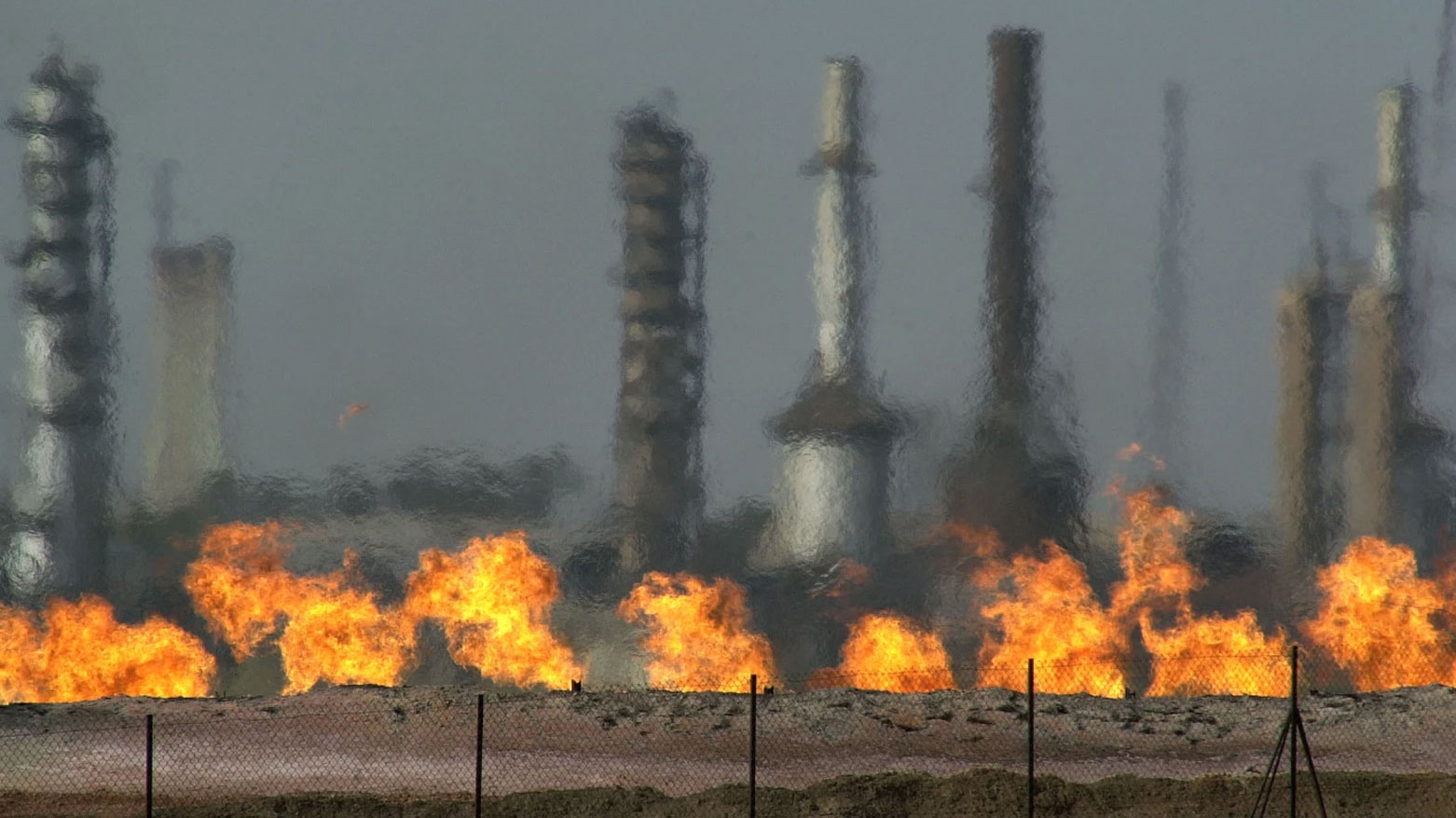
Iraq’s Ministry of Oil has recently announced promising developments regarding the export of oil from the Kurdistan Region. This breakthrough aims to fully restore the flow of oil to international markets, resolving a long-standing dispute that has hindered economic progress for both Baghdad and Erbil.
Resolution of Long-Standing Issues
Salim al-Rukabi, the spokesperson for Iraq’s Ministry of Oil, shared significant optimism in a statement to Kurdistan24. He indicated that critical technical and legal challenges that have affected the oil sector for years are finally being addressed. Following extensive negotiations among the Federal Ministry of Oil, the Kurdistan Regional Government’s (KRG) Ministry of Natural Resources, and representatives from international oil companies (IOCs), a favorable tripartite agreement has emerged. Al-Rukabi emphasized that this consensus marks a decisive step toward reinstating the export pipeline, which has been largely inactive due to budgetary disputes and international court rulings.
Economic Implications and Export Forecasts
The economic interests of both the federal government and the KRG are significant, especially considering Iraq’s current oil export levels of around 200,000 barrels per day. Al-Rukabi forecasts that once the Kurdistan oil situation is fully resolved and maritime corridors, particularly the Strait of Hormuz, are stabilized, Iraq could significantly increase its crude oil exports to the global market. This improvement would not only benefit Iraq’s economy but also enhance its standing as a reliable energy supplier internationally.
Security and Infrastructure Measures
With the impending return of foreign operators, a federal security delegation has recently visited Erbil to establish a joint security framework aimed at protecting oil fields. This move underscores Baghdad’s commitment to addressing the operational uncertainties faced by IOCs, which have been adversely affected by shifting security dynamics in the region. By ensuring the safety of oil fields, it is anticipated that technical teams can resume extraction at full capacity, further bolstering production.
The Road to Recovery
The timing of this agreement is crucial for the global energy market, where the suspension of Kurdish oil has severely impacted regional supply chains and limited revenue for both Erbil and Baghdad. Analysts suggest a unified approach to managing the oil file could stabilize Iraq’s fiscal situation and enhance its credibility on a global scale. While negotiations about commercial terms for IOCs continue, the announcement from al-Rukabi indicates that the political deadlock may finally be resolved.
For a region grappling with economic austerity and administrative barriers over the past year, the revival of oil exports symbolizes a vital opportunity for long-term recovery and stability.