
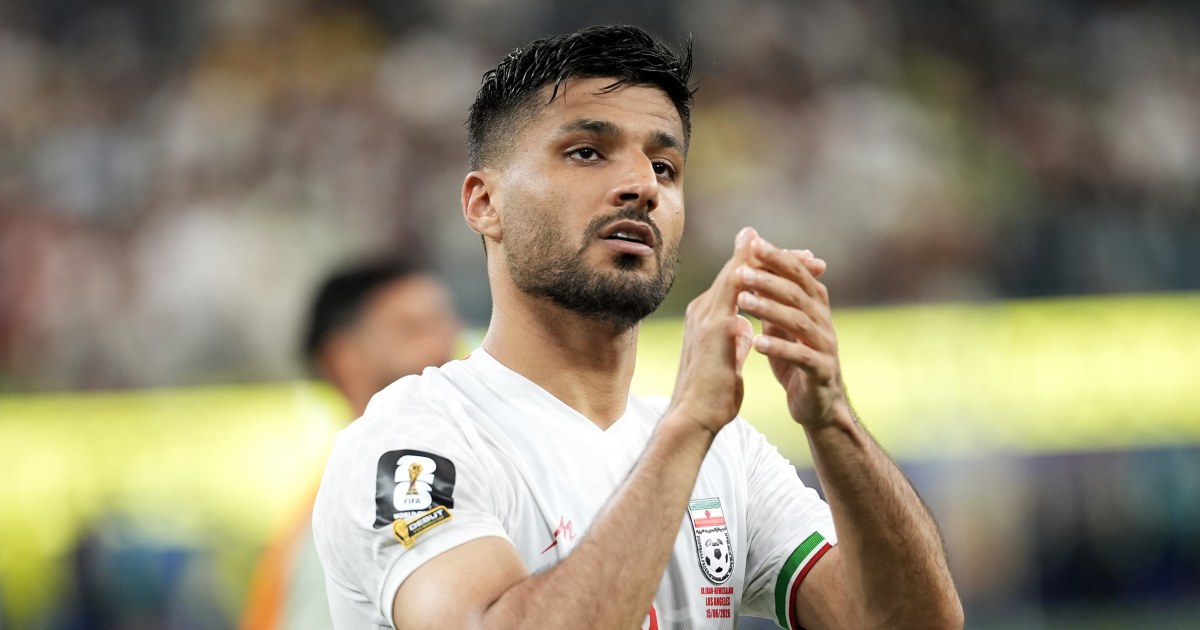
Iran’s journey in the World Cup has been marked by significant challenges, both on and off the pitch. Following their recent match against New Zealand, which ended in a 2-2 draw, the Iranian team faced an unexpected departure order from the United States, forcing them to return to their training base in Mexico just hours after the game. Coach Amir Ghalenoei expressed his frustration over this abrupt decision, emphasizing the need for proper recovery time after a demanding match.
Unanticipated Changes and Struggles
Coach Ghalenoei did not disclose who mandated their early departure, but it disrupted the team’s recovery strategy. The players had hoped to rest and recuperate in California for another night, but were instead instructed to embark on a flight back to Tijuana almost immediately. “They didn’t even give us time to recover,” Ghalenoei remarked through an interpreter. This sudden shift left the team puzzled and concerned, especially after they had traveled extensively to reach their match venue.
The geopolitical climate surrounding the Iranian team has been turbulent, especially following increased tensions involving the U.S. and Israel, which have added layers of complexity to their World Cup experience. Despite these challenges, Iran opted to participate in the tournament, even after FIFA dismissed their proposal to relocate their group-stage matches out of the U.S.
Logistical Challenges Affecting Performance
Captain Mehdi Taremi highlighted the logistical difficulties they faced, including a grueling five-hour journey filled with security checks that usually would not take so long. This situation raised questions regarding the decision-making processes impacting the team’s preparations. Ghalenoei conveyed this sentiment, stating, “I think it’s very strange. It seems like others are doing the planning for us.” The restrictions on their staff further complicated matters, as crucial personnel—such as the president of Iran’s football federation—were denied entry visas.
Taremi did not hide his disappointment about having to leave Los Angeles so soon after the match, urging FIFA to intervene and assist the team. “Everything is like a disaster, actually, for us,” he said, shedding light on the broader struggles faced by the players amid political impositions and logistical obstacles.
Fan Support Amid Political Backdrop
The atmosphere during the match showcased the complex sentiments of the Iranian diaspora. Despite protests against the Iranian government outside the stadium, many fans rallied behind Team Melli, creating a vibrant environment that Taremi described as feeling “like at home.” The match was characterized by enthusiastic cheers and a shared sense of identity among the crowd, even as deep-rooted political tensions simmered below the surface.
Among the notable moments was Muhammad Mohebi’s energetic celebration following his equalizing goal, which included gestures that stirred online debate. The response from the diaspora underscored their dual emotions of pride in the players yet frustration with the regime back home.
Looking ahead, Iran is set to face stiffer competition in their upcoming matches against Belgium and Egypt, posing significant challenges to their aspirations of advancing beyond the group stage for the first time. Despite the hurdles, Coach Ghalenoei remains optimistic, indicating that the Iranian team is committed to giving their best, showcasing resilience even in the face of adversity.