
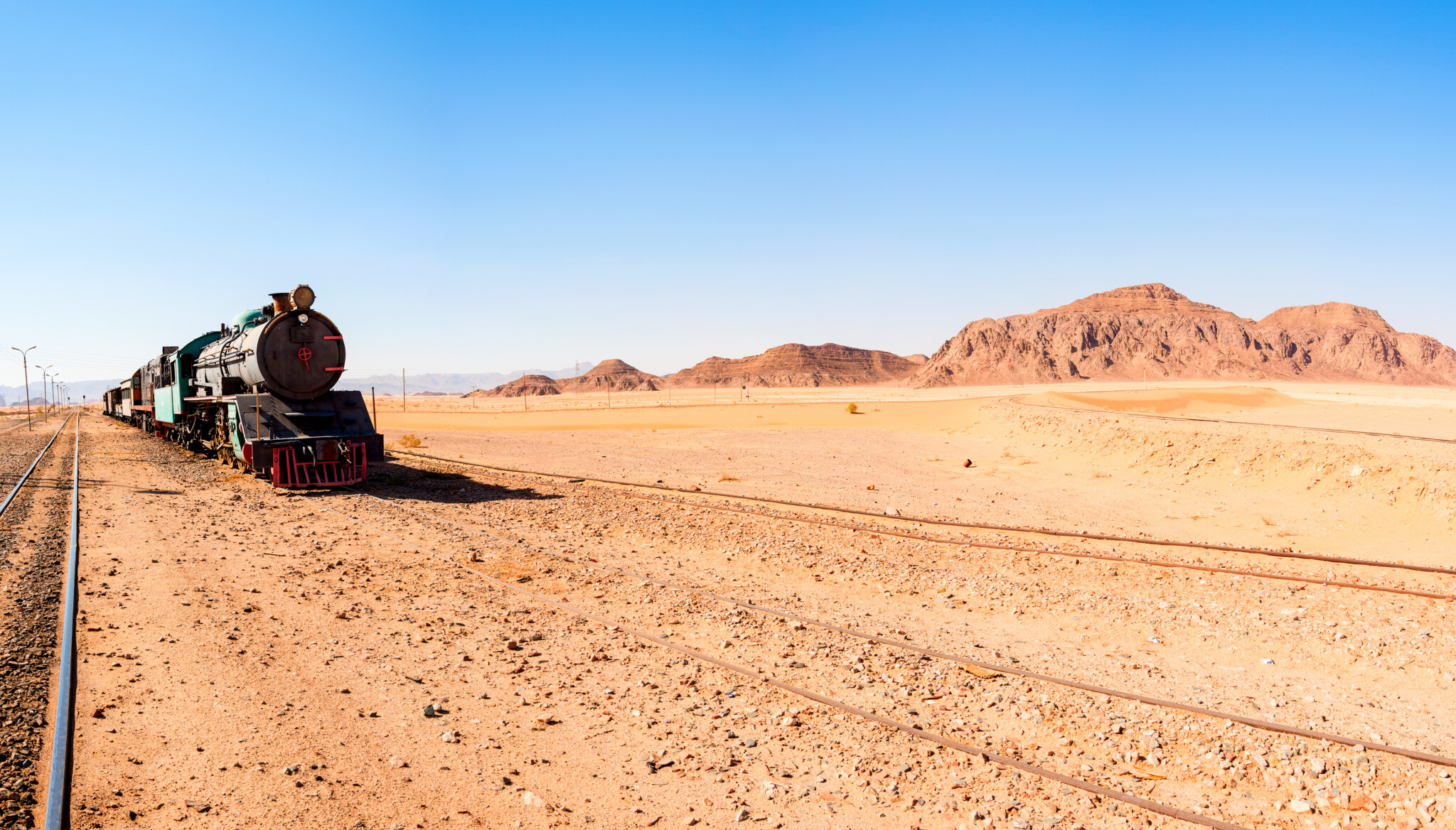
The historic railway that once served the Ottoman Empire is being revitalized as Turkey embarks on a new mission to establish itself as the logistics hub of the Middle East. This ambitious endeavor is transforming both the economic landscape of the region and the historical significance of the railway itself.
Reviving Historical Infrastructure
Constructed during the height of the Ottoman Empire, the railway was intended to consolidate power and improve territorial connectivity across the Arab world. Today, it stands as a testament to the engineering prowess of its time, but it also represents a critical opportunity for modern Turkey to enhance its logistical capabilities. By refurbishing this aging infrastructure, Turkey aims not only to honor its rich history but also to meet the demands of contemporary trade and transportation.
The revitalization project includes modern upgrades to the tracks, stations, and associated services, making the railway more efficient and heavily integrated with current technology. This not only improves freight and passenger services but also attracts investment and tourism, thus providing an economic boost to the regions it traverses.
Turkey’s Logistics Strategy
In its quest to emerge as the logistics leader in the Middle East, Turkey is implementing a multifaceted strategy that encompasses rail networks, highways, and maritime ports. The revitalized railway is a crucial component of this vision, facilitating seamless connections between Central Asia, the Middle East, and Europe.
Turkey’s unique geographical location positions it as a bridge between continents, making its transportation network essential for global trade. The integration of railways with other logistic infrastructures allows for efficient transfer of goods, reducing transit times and costs. This strategic advantage enhances Turkey’s competitiveness in the logistics sector and appeals to businesses looking for reliable transport solutions.
Impact on Regional Trade and Economy
The refurbishment of the Ottoman railway is set to invigorate trade not just within Turkey but across the entire region. Improved connectivity will foster economic collaborations between neighboring countries and promote mutual growth. The enhanced transportation system is expected to stimulate local economies, create jobs, and facilitate the movement of goods and services.
Furthermore, as Turkey seeks to strengthen its role in global logistics, the implications for regional economic stability and development are significant. A more efficient supply chain can lead to reduced prices for consumers and increased market access for local producers. This interconnectedness can drive innovation, elevate living standards, and promote sustainable growth in the Middle East.
Conclusion: A New Era for Turkey’s Railways
In summary, the revival of the Ottoman railway is not just a nostalgic nod to the past; it actively symbolizes Turkey’s aspirations for a prominent role in the logistics arena of the Middle East. By modernizing this vital infrastructure, Turkey is paving the way for enhanced trade opportunities, economic growth, and international partnerships. As this ambitious project unfolds, it may very well position Turkey as the key logistics hub of the region, creating a lasting legacy of connectivity and cooperation among nations.