
The current geopolitical landscape surrounding Israel, Iran, and the United States is increasingly complex, marked by fluctuating allegiances and military strategies. As tensions rise, recent statements from former President Donald Trump have sparked debate about the future of U.S.-Israel relations and the ongoing conflict with Iran. With rumors of a potential diplomatic agreement aimed at ending hostilities in the region, the question arises: how will these shifts impact military and political dynamics?
Trump’s Critique of Israeli Strategies
In a recent commentary, Trump criticized Israel’s approach to its conflict with Hezbollah in Lebanon, suggesting that the nation might not have survived without U.S. intervention. He framed his remarks against a backdrop of aggravating conditions, highlighting the U.S. determination to broker peace with Iran. Trump’s perspective suggests that any future peace agreement would hinge on Israel ceasing its military operations against Hezbollah, which is widely regarded as an ally of Iran. This sets the stage for a fundamental clash of interests, where Israel remains committed to its defensive measures while the U.S. seeks a broader diplomatic resolution.
While Israel’s leadership firmly believes that maintaining a military stance against both Iran and Hezbollah is crucial for its national security, it remains unyielding regarding any agreements solely between the U.S. and Tehran. This situation presents a challenging dilemma, as a compromise would require significant concessions from one of the involved parties. With the U.S. holding considerable leverage—including military aid amounting to approximately $4 billion annually—there is ongoing speculation about whether Trump or future administrations will leverage this support to influence Israeli military tactics.
The Implications of U.S. Military Aid Cutoff
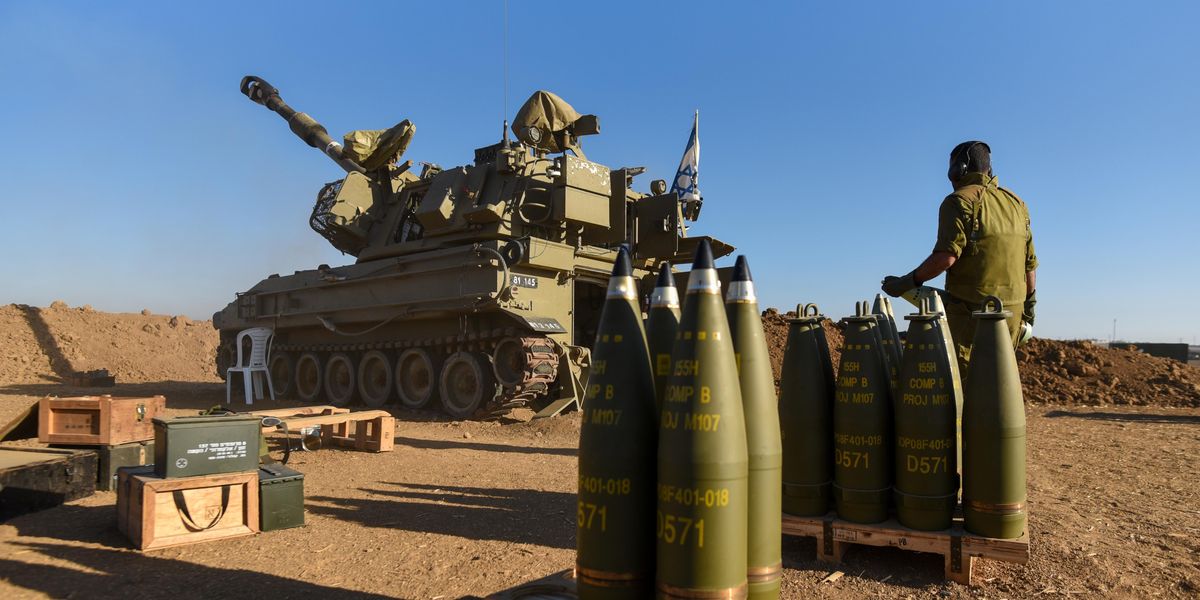
A withdrawal of U.S. military support could drastically alter Israel’s operational capabilities, particularly in Lebanon. Experts suggest that while such a move would not bring Israeli operations to a complete halt, it would pose serious threats to the efficacy of its air operations. For instance, Israel’s F-35 fighter jets depend heavily on U.S. supplied parts, and experts warn that they could be significantly grounded without necessary maintenance within a very short timeframe.
In the medium term, Israel could continue operations with existing munitions, but dependency on U.S. resources for significant military campaigns would lead to critical challenges. If it were necessary for Israel to combat both Iran and Hezbollah on its own, the nature of its military campaigns may need to shift dramatically. The uncertainty surrounding U.S. support may encourage Israel to reconsider the viability of its ongoing military strategies.
Regional Repercussions of Reduced Aid
Any hypothetical reduction in military aid to Israel raises profound questions about its national security strategy. As illustrated by past U.S. support, Israel would be compelled to refocus its military priorities—focusing more heavily on domestic defense rather than external conflicts. With tensions already high due to Iran’s potential retaliatory stance following Israeli actions, the prospect of a cut-off in American military assistance could result in a dramatic reevaluation of Israel’s military engagements.
Beyond direct military support, the implications of the U.S. reducing diplomatic backing at international forums could further hinder Israel’s strategic position. An absence of American defense could expose Israel to greater scrutiny from entities like the United Nations, limiting its maneuverability on the geopolitical stage. Additionally, Israel’s reliance on U.S. support has long underwritten its regional expansionist policies, and any hint of reduced aid could shake the foundations of its military confidence.
Future Directions for U.S.-Israel Relations
The evolving circumstances present both a challenge and an opportunity for Israeli leaders, who are scrambling to enhance their leverage in discussions over U.S. military assistance. Recent legislative efforts in Congress aim to deepen Israel’s entrenchment within the U.S. defense framework, highlighting the stakes involved. While the Trump administration may engage in negotiations regarding military aid, the overarching geopolitical dynamics underscore how crucial it is for Israel to adapt to any pressures arising from possible U.S. policy shifts.
In conclusion, while the complexities of U.S.-Israel relations continue to unfold, the need for strategic foresight remains critical. Should the U.S. choose to leverage its military aid to promote peace in the region, both countries might find opportunities for a redefined alliance that prioritizes stability over conflict. The coming months may prove pivotal in reshaping the future of U.S.-Israeli relations amidst a turbulent Middle Eastern landscape.