
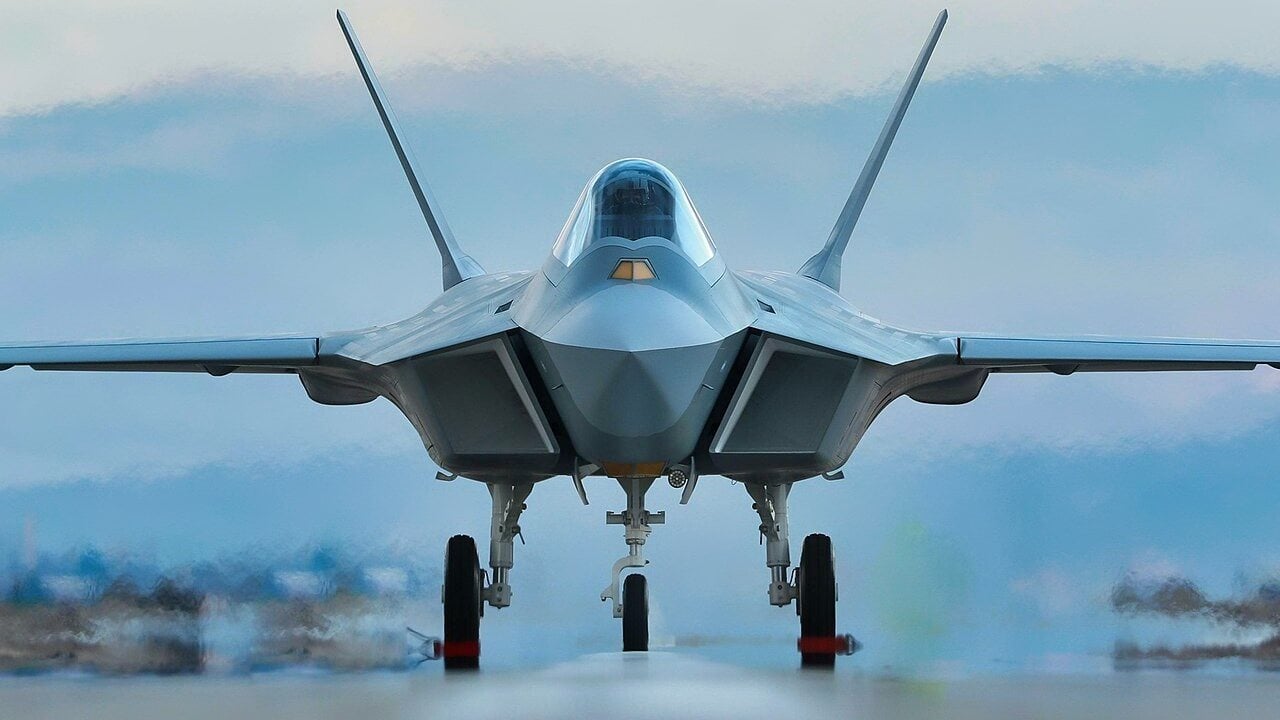
Turkey’s Kaan fighter jet symbolizes its quest for autonomy in military aviation, particularly following its exit from the F-35 program in 2019. This ambitious project has absorbed significant time and investment, aiming to establish a self-reliant defense capability. While the Kaan has made substantial progress, it still relies on American technology for its engine—a major limitation in achieving true independence.
Understanding the Kaan Fighter Jet
The Kaan, previously known as the TF-X, represents Turkey’s first endeavor into developing a fifth-generation stealth fighter. Designed by Turkish Aerospace Industries, the jet features dual engines, advanced stealth configurations, internal weapon bays, and next-generation sensor capabilities. The effort began in earnest in 2010 under the Milli Muharip Uçak program and culminated in its official naming on May 1, 2023. The aircraft is envisioned to replace Turkey’s aging fleet of F-16s by the 2030s, marking Turkey’s entrance into the elite circle of countries such as the U.S., Russia, and China focused on developing indigenous stealth aircraft.
The Kaan completed its first flight on February 21, 2024, demonstrating its basic aerodynamic capabilities. Currently, TAI is working on a series of flight prototypes, with the first production model expected to take to the skies by mid-2026. Although the initial engineering demonstrator has flown, the production aircraft will carry the essential mission systems needed for operational deployment.
The Impact of U.S. Relations
The Kaan’s inception stems from Turkey’s forced withdrawal from the F-35 initiative, which occurred after Turkey procured Russian S-400 air defense systems. This procurement raised concerns within Washington about potential security risks to the F-35’s technology. As a result, Turkey not only lost access to advanced fighters but also saw its request for additional F-16s initially rebuffed. This critical juncture prompted Ankara to seek an independent solution to its combat aircraft dilemma.
Ironically, the Kaan remains dependent on American technology through its engine—two General Electric F110-GE-129 engines, also used in F-16s. Turkey intends this arrangement to be temporary, emphasizing its commitment to developing a domestic engine, the TF35000. However, this engine is still in the design phase, with expectations to be operational by the early 2030s. Until then, the Kaan will continue to face limitations tied to access for American components, as political relations remain a pivotal determinant of its future.
Foreign Sales and Strategic Considerations
Turkey recently secured its first international customer for the Kaan, with Indonesia entering into a significant arms agreement reportedly worth around $10 billion. However, Indonesia insists that the Kaan be free of components subject to U.S. export regulations, which introduces complexities into the deal. This stipulation highlights concern over American influence on Turkish defense capabilities and restricts the immediate export potential of the aircraft.
Turkey’s ambitions extend beyond the Kaan, as there are propositions to introduce a sixth-generation fighter in the future. However, the Kaan’s current engine issues remain a significant obstacle to achieving operational capability. The Turkish Air Force aims to begin the serial production of the initial batch of aircraft between 2028 and 2029, yet these planes will initially rely on American engines.
Conclusion: A Work in Progress
While the Kaan fighter jet showcases Turkey’s aspirations for military independence and technological sovereignty, the current reliance on American technology for its engine remains a critical limitation. Though significant strides have been made in developing the aircraft, substantive barriers related to U.S. export controls and engine development timelines persist.
Until the TF35000 enters service and the Kaan can truly claim independence from foreign influence, its quest for operational autonomy is still a work in progress. The success of the Kaan program will ultimately hinge upon Turkey’s ability to resolve these dependencies, thus determining its place within the global defense landscape.