
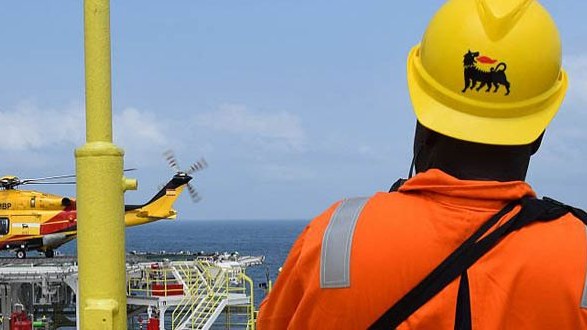
The recent announcement by Egypt’s Minister of Petroleum and Mineral Resources, Karim Badawi, declaring the full settlement of debts owed to foreign oil companies, brings welcome relief not just to Egypt but also to international oil firms. As Egypt emerges as a focal point in the West’s search for alternative gas supplies—especially following the disruptions in Russian energy flows since the onset of the Ukraine conflict on February 24, 2022—its proven natural gas reserves of approximately 93 trillion cubic feet (Tcf) are further supported by unofficial estimates suggesting even greater reserves. The U.S. Geological Survey estimates that the Nile Delta Basin alone may contain around 286 Tcf of undiscovered, technically recoverable natural gas. This strategic resource, bolstered by Egypt’s influence in the Arab region and strategic positioning along key hydrocarbon routes, sets the stage for an expanded role in energy markets.
Egypt’s Economic Defense Mechanism
In anticipation of future challenges, Egypt has instituted a comprehensive multi-layered economic defense strategy aimed at curbing the risk of foreign currency depletion and excessive debt cycles. The previous rise in gas development has contributed to a significant currency crisis, exacerbated by rising global wheat prices, leading to increased economic strain. However, in early March 2024, the International Monetary Fund approved an expansion of Egypt’s $8 billion financing package, with additional support being offered by both the World Bank and the European Union. A pivotal element of this new financial framework includes reducing state ownership in energy projects, effectively limiting sovereign liabilities related to project delays. Additionally, by abandoning the artificial pegging of the Egyptian pound, Egypt aims to stabilize its currency, further securing regular payments to international oil companies.
Expanding Western Investments
The recent resolution of Egypt’s energy sector debts is poised to accelerate the activities of Western oil companies in the region. Major players like Shell are preparing for imminent production at the Mina West field, located in the Mediterranean’s deepwater Northeast El Amriya concession. Initial flow tests show promising rates, while the project’s first phase is set to contribute significantly to Egypt’s domestic energy grid. Concurrently, Chevron has initiated drilling at the substantial Nargis field, believed to house around 3.5 Tcf of natural gas reserves. Italian firm Eni is stepping up its involvement with a substantial $8 billion investment to fast-track projects in the East Mediterranean. With these initiatives, Egypt is expected to witness a robust increase in international energy investments shortly.
Geopolitical Dynamics: Eastern Influence
China’s approach to Egypt has evolved, shifting from logistics and manufacturing towards tapping into its upstream oil and gas potential. The state-owned China National Offshore Oil Corporation announced its inaugural investment aimed at deepwater blocks in both the Mediterranean and the Red Sea, seeking to infiltrate the North African energy market. Coupled with infrastructure enhancements, this move signifies China’s commitment to broader regional energy aspirations. Similarly, Russia views Egypt as an essential partner in establishing a strategic energy corridor into Africa and the Middle East amidst increasing Western sanctions. Russian companies have engaged in various projects, including substantial investments targeting oil extraction and energy infrastructure.
The Broader Strategic Implications
Egypt’s significance extends beyond its immediate energy resources. It stands out as the only country in the Eastern Mediterranean with operational liquefied natural gas (LNG) export capabilities, placing it in an ideal position to become a regional LNG hub. Additionally, Egypt controls critical maritime routes, including the Suez Canal, which facilitates about 10% of global oil shipments. Through the Suez-Mediterranean Pipeline, the country additionally offers alternative means for transporting Gulf crude, enhancing its strategic relevance amidst global energy dynamics.
In conclusion, Egypt’s pivotal role in the energy landscape intertwines with its historical leadership in the Arab world. Beyond merely being a key player in gas and oil reserves, Egypt is seen as a regulatory and strategic powerhouse for both the West and East, where control over energy resources, export capabilities, and geopolitical influence converge.