
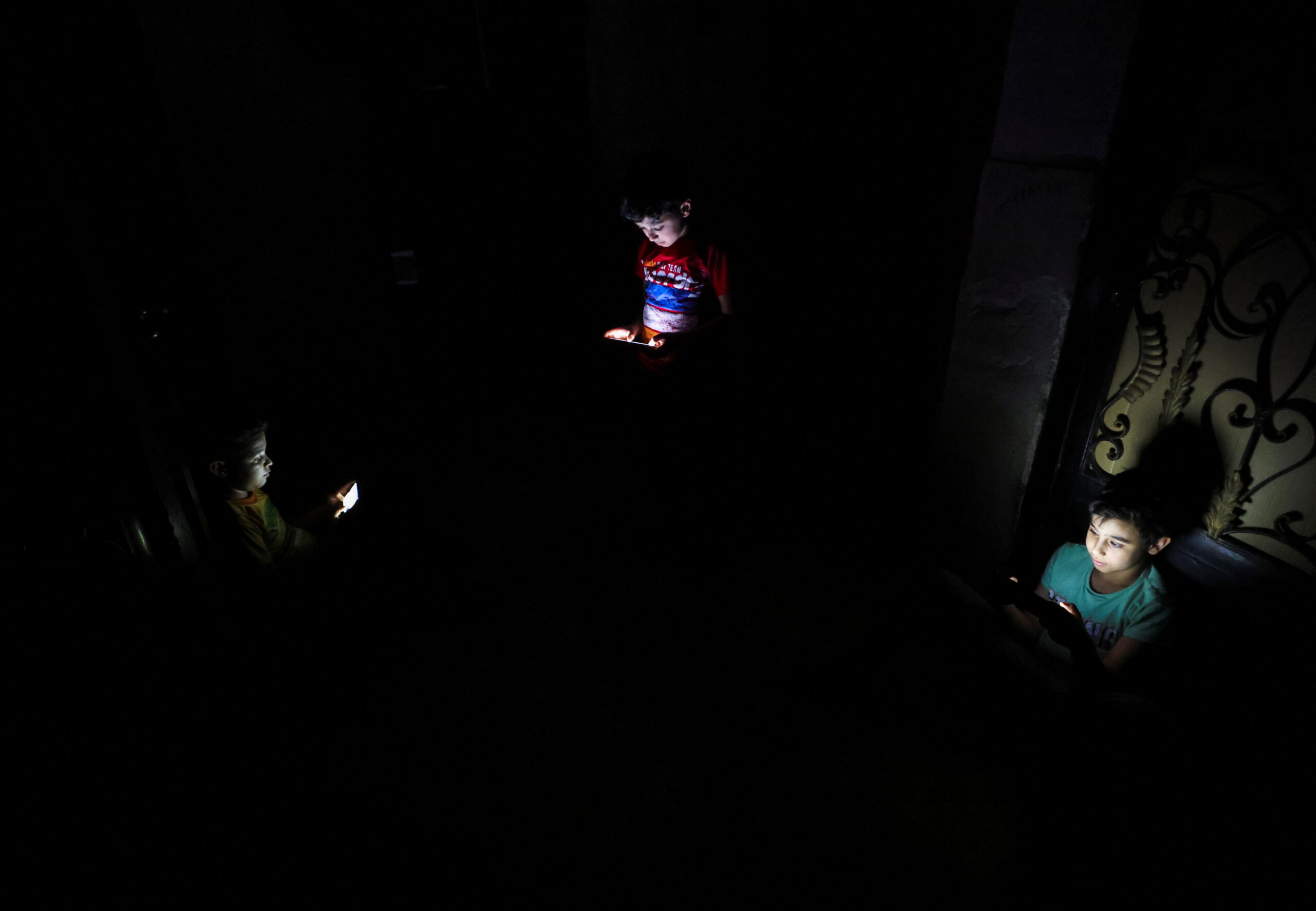
In recent months, Cairo has experienced significant challenges in energy management, where traditional nighttime vibrancy has given way to controlled darkness. Streetlights have dimmed, and popular spots like cafes and shops have been mandated to close by 9 p.m. This abrupt change stems partly from escalating fuel prices and supply interruptions due to the ongoing war in Iran. While these measures were intended to be temporary, they unmask a deeper vulnerability within Egypt’s energy infrastructure.
The Impact of the Iran Conflict on Egypt’s Energy Security
The ongoing conflict in Iran has highlighted Egypt’s precarious energy landscape. Power outages and unexpected price surges have become regular occurrences as the war exacerbates global energy crises. Families in Egypt face mounting economic pressure from these challenges, jeopardizing the broader efforts to stimulate economic growth. In a climate where foreign investors are already hesitant, the recurrent energy crises make it increasingly difficult for Egypt to attract essential long-term investments.
To mitigate these vulnerabilities, Egypt must prioritize energy security at both political and economic levels. A dual approach focusing on bolstering renewable energy resources while ensuring the sustainable management of natural gas reserves is essential for future resilience.
Geopolitical Energy Dependencies
Egypt’s increasing reliance on energy supplies from neighboring states that are themselves susceptible to conflict is a crucial concern. This dilemma echoes findings from Egypt’s prominent economist, Galal Amin, who highlighted the systemic weaknesses in the Egyptian economy rooted in volatile external dependencies. Today, this predicament is dramatically reflected in the power sector.
Egypt’s dependence on Israeli natural gas—accounting for up to 20% of its total gas consumption—has exposed the country to significant vulnerabilities during regional tensions. For instance, following joint military actions involving the U.S. and Israel, fuel supply levels from Israel drastically fell, leading to reduced gas flows to Egypt and resulting in significant economic repercussions. Such shocks expose how intertwined Egypt’s energy security is with regional geopolitical dynamics.
Transitioning to Renewable Energies
Amidst the pressing challenges in energy management, Egypt’s current strategies for tackling energy debt and foreign currency constraints need revision. The substantial increase in gas import expenses to $10.7 billion symbolizes an urgent need for reevaluation. Stakeholders must recognize that transitioning to a self-sustaining energy strategy, which includes bolstering domestic energy production and renewable resources, is more financially viable than continuing reliance on imported energy.
The Egyptian government has set a commendable target of achieving 42% of its electricity generation from renewable sources by 2030. However, with renewable energy comprising only about 12% currently, proactive steps are required to bridge this gap effectively. Streamlining bureaucratic processes for local energy companies and facilitating both private and public financing for renewable projects, such as the Dandara and Obelisk solar plants, can expedite this transition.
As Egypt grapples with its energy future, it must also avoid past pitfalls that jeopardized existing natural gas reserves. Ensuring better management practices can enhance the country’s ability to sustain domestic energy growth while advancing its renewable energy capabilities. Learning from the operational challenges faced in fields like Zohr is essential for maximizing the productive lifespans of its resources.
In conclusion, as Egypt confronts an energy landscape fraught with challenges, the focus must shift toward building resilience and diversifying energy sources. The choice now lies in overcoming the cycle of dependence on precarious external supplies or embracing a future characterized by energy independence and sustainability.