
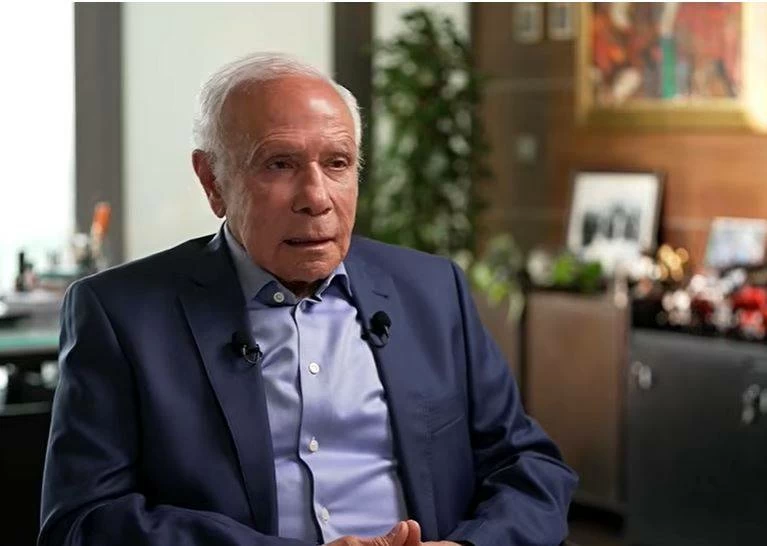
Prominent Egyptian entrepreneur Salah Diab, the founder of Al-Masry Al-Youm, is advocating for a drastic shift from traditional flood irrigation to modern drip irrigation systems as a solution to Egypt’s growing water crisis. He cites research demonstrating that modern irrigation techniques can reduce water consumption by as much as tenfold during agricultural trials.
Water Consumption in Agriculture
During a recent interview on Al Arabiya’s “First Class” program hosted by Fatima Al-Daawi, Diab highlighted the inefficiencies of traditional flood irrigation. He stated that this method can consume up to ten times more water compared to modern techniques, leading to reduced agricultural efficiency. He shared an illustrative example from his own experience, describing a situation on one of his farms. “At the end of an irrigation canal, we faced a water shortage while trying to cultivate 16 feddans of bananas,” Diab mentioned. However, upon switching to drip irrigation, he expanded the farm’s area to 260 feddans, simultaneously decreasing fertilizer and fuel consumption by 90%. This assertion emphasizes the potential benefits of modern irrigation methods not just in conserving water but also in reducing costs.
Diab proposes a strategic rollout of modern irrigation systems by implementing this change in two governorates annually. He believes that if this initiative scales nationwide, it could potentially increase the area of cultivated land in Egypt from 10 million feddans to an impressive 100 million feddans. This transformation could play a pivotal role in addressing the nation’s chronic water deficit and help improve food security.
Modernizing the Agricultural Sector
Egypt’s governmental and agricultural leaders are increasingly recognizing the urgency of transitioning away from traditional irrigation methods to address the country’s persistent water scarcity issues. Key initiatives include the modernization of agricultural practices, which are expected to significantly cut water usage and enhance crop yields.
The modernization drive focuses on the following aspects:
- Water Efficiency: High-efficiency drip systems can reduce water consumption by up to 90%, leading to enhanced crop productivity while also cutting costs related to fertilizers and fuel.
- Structural Changes: Projects such as canal-lining (Hayah Karima) aim to minimize water loss through seepage in canals, along with stricter controls on the cultivation of water-intensive crops such as rice and sugarcane to protect Egypt’s water quota from the Nile, which is fixed at 55.5 billion cubic meters.
Urban Expansion and Environmental Concerns
Meanwhile, the expansion of urban infrastructure has ignited considerable public discontent and media scrutiny. Widespread road-widening projects along key streets, including Gamaat al-Dowal al-Arabiya Street, have resulted in the removal of many long-standing trees. Critics argue that these efforts aggravate urban heat-island effects and diminish available green space per capita.
In light of the public backlash, President Abdel Fattah al-Sisi and his Cabinet have issued directives to amend the situation. New policies have emerged to address urban greening in Greater Cairo, emphasizing the need to convert vacant urban lots into parks. Additional guidelines mandate that for every tree removed, double the amount must be replanted, opting for drought-resistant species that can thrive with treated wastewater. This progressive shift aims to align urban afforestation with national water management strategies and the much-touted “100 Million Trees” initiative.
In summary, the transition to efficient irrigation methods is critical for Egypt’s agricultural future, while also ensuring that urban development harmonizes with environmental sustainability. As the nation grapples with water scarcity, these innovative practices and policies could serve as a comprehensive response to the dual challenges of resource conservation and environmental preservation.